
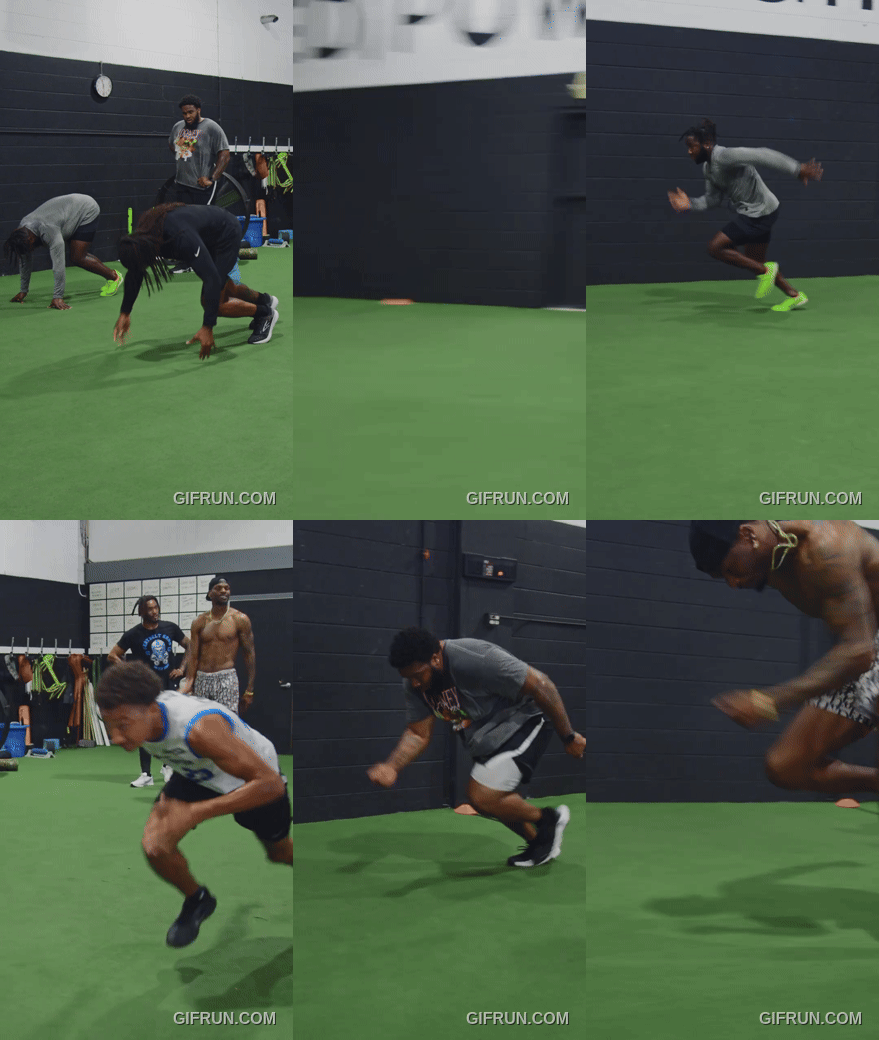
Speed Training Explained: The Two Phases of Speed and How to Train Both
Most athletes think speed is just “run faster.” But in reality, true speed is built through two distinct phases that require completely different mechanics, force demands, and training approaches.
If you try to train speed as one general quality, you end up with athletes who are decent everywhere but elite nowhere. In a properly designed speed training system, we separate and develop the two phases of sprinting:
- Acceleration (Drive Phase)
- Top Speed (Max Velocity Phase)
Each phase has its own technical model, force application strategy, and training emphasis. When both are developed correctly, that’s when you unlock real game-changing speed. Make sure you read our previous article on speed mechanics and if they’re overrated!

Phase 1: Acceleration (Drive Phase)
Acceleration is the first part of every sprint. Whether it’s a 10-yard burst in football, a first step in basketball, or chasing down a ball in baseball—this is where separation is created.
The goal of acceleration is simple: produce as much horizontal force into the ground as possible to project the body forward.
Key Mechanical Priorities in Acceleration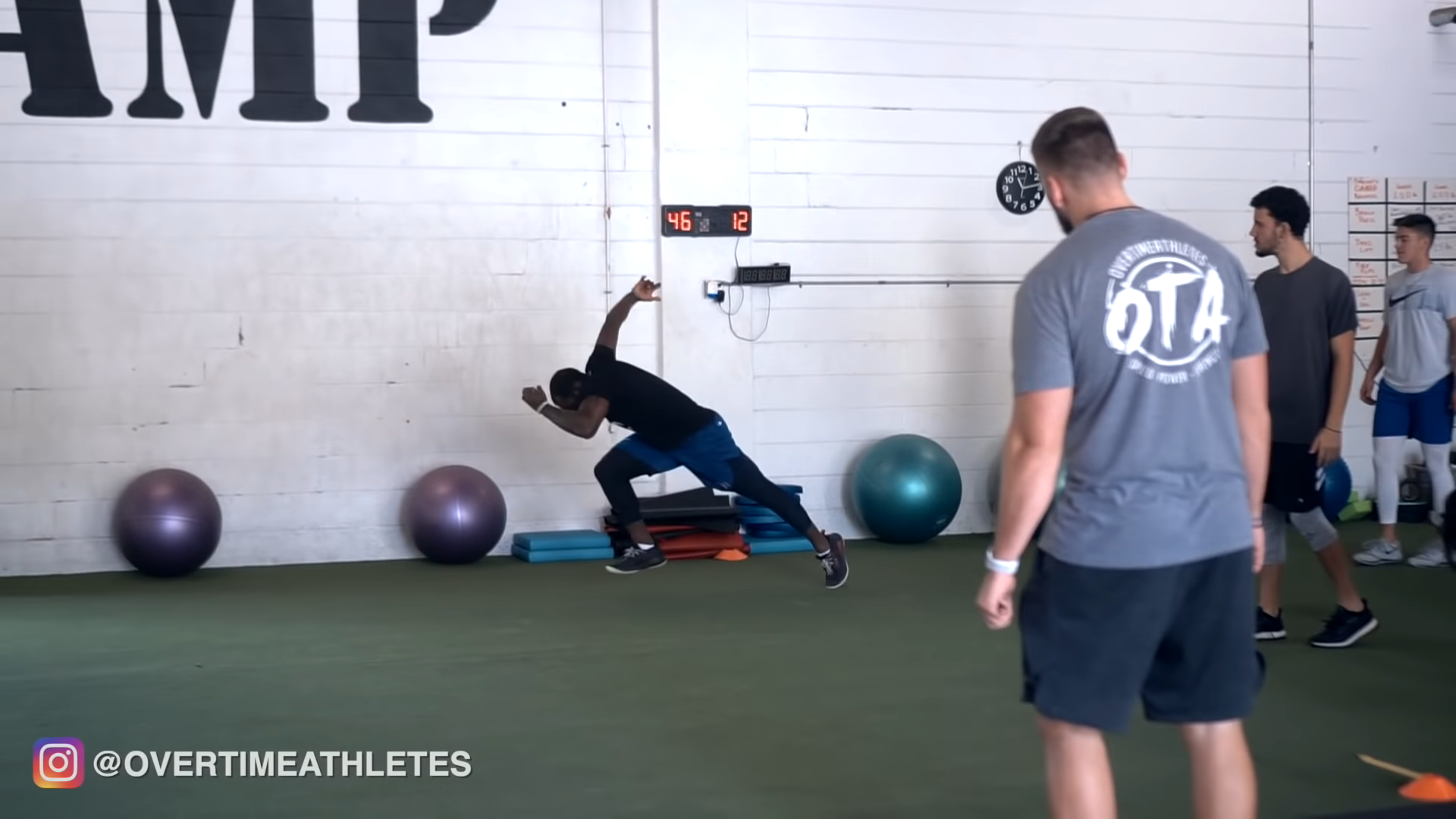

A high-level acceleration phase is built on three non-negotiables:
1. Horizontal Force Production
Athletes must learn how to push back and down, not just up. The body is angled forward, and force is directed horizontally to drive mass forward. This is where explosive first-step power is developed.
2. Shin Angle and Body Positioning
Shin angles should mirror the body lean. In elite accelerators, the shin stays angled forward longer, allowing the athlete to continue pushing horizontally instead of prematurely standing upright. If the shin pops vertical too early, acceleration stalls.
3. Low Heel Recovery and Aggressive Ground Contacts
In acceleration, the heel stays low and recovers quickly under the hip. The ground contact is more forceful and aggressive—athletes are actively pushing the ground away, not cycling off it. This is a strength-dominant sprint position.
Simply put: you don’t “bounce” in acceleration—you drive.
How to Train Acceleration Properly
A smart speed program doesn’t just run sprints—it trains the mechanics and force profile of acceleration.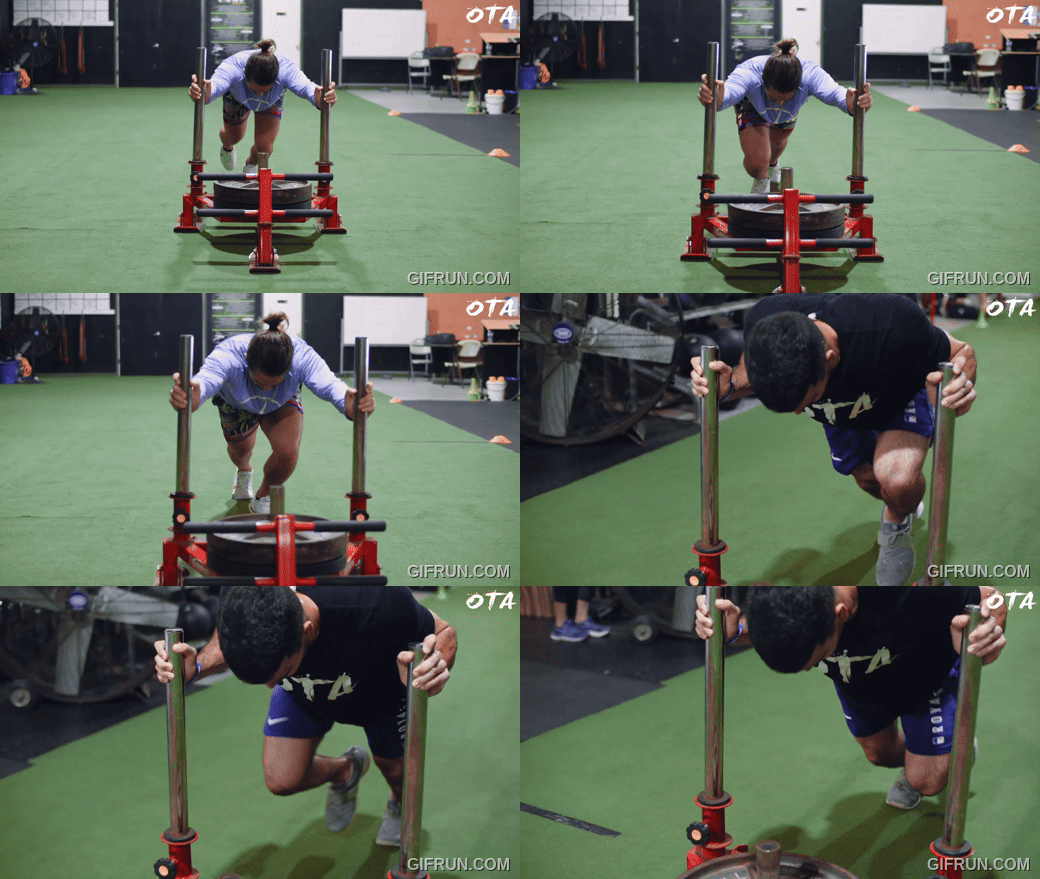
Key methods include:
- Resisted Sprints (sleds, bands, incline runs)
These are the foundation. They overload horizontal force production and teach athletes how to stay in projection longer. - Short Distance Sprints (10–20 yards)
Quality over fatigue. Every rep should reinforce perfect drive mechanics, not survival running. - Wall Drives and Falling Starts
These teach body angles, shin positioning, and force direction without the complexity of full sprinting. - Heavy Strength Training (lower body focus)
Squats, trap bar deadlifts, split squats, and hip hinge variations build the raw force capacity needed to push the ground in early acceleration.
Acceleration training is about one thing: teach the athlete how to create force in the right direction at the right angle.
Phase 2: Top Speed (Max Velocity Phase)
Once an athlete is upright and moving fast, the mechanics shift completely. What made you faster in acceleration will actually hold you back at top speed if you don’t adjust.
Top speed is not about pushing anymore—it’s about recycling force efficiently and minimizing braking forces.
Key Mechanical Priorities in Top Speed

1. Upright Posture and Tall Positioning
Athletes must be tall through the torso with a neutral pelvis. This allows for optimal force transfer and reduces overstriding. The goal is to stack the body and let force travel efficiently through the system.
2. Cyclical Hip Action
At top speed, the legs move in a rapid, cyclical motion driven by the hips. The swing leg recovers quickly under the body, and the athlete cycles the foot down and back underneath their center of mass.
3. Fast, Light, Vertical Ground Contacts
Unlike acceleration, ground contacts at top speed are brief and elastic. The athlete is now absorbing and redirecting force vertically, not pushing horizontally. Think stiffness, elasticity, and rebound.
Top speed is where the best athletes look effortless—because they’ve learned how to convert force instead of constantly producing it.
How to Train Top Speed Properly
Top speed must be trained differently than acceleration. If you overload it incorrectly, you slow athletes down by reinforcing the wrong mechanics.
Key methods include:
- Fly Sprints (20–40 yard buildups into max velocity zones)
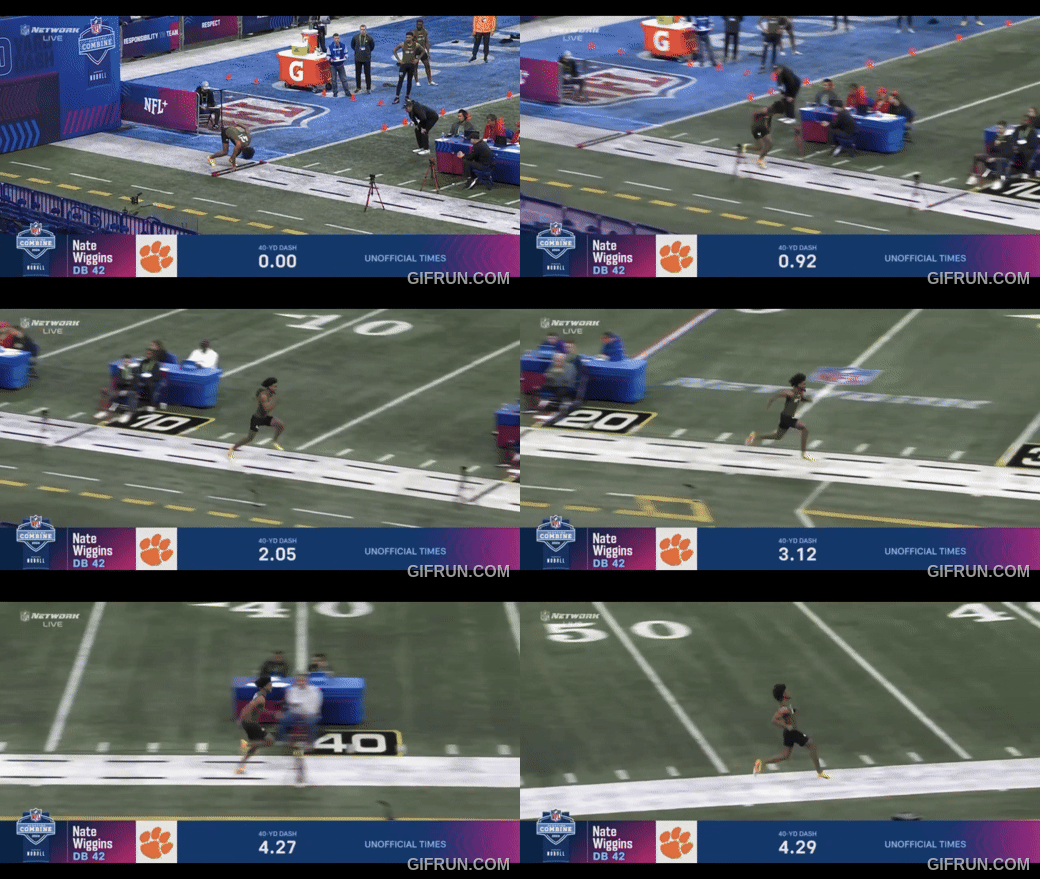

This is the gold standard for top speed training. It allows athletes to reach true max velocity without fatigue interference. - Wicket Drills / Rhythm Runs
These teach stride frequency, posture, and cyclical mechanics while reinforcing optimal spacing and timing. - Elastic Plyometrics (pogos, ankle hops, stiffness drills)
These build the reactive qualities needed for fast, elastic ground contacts. - Light Technical Runs at Max Velocity
No heavy resistance. No grinding. Just clean, fast exposure to upright sprinting.
Top speed training is about one thing: teach the athlete how to move fast without breaking mechanics.
Putting It Together: Why Both Phases Matter
Most athletes are either acceleration-dominant or top-speed dominant—but rarely both.
Some athletes have great first steps but “top out” too early.
Others can hit high speeds but take too long to get there.
A complete speed athlete develops both systems independently:
Acceleration builds the engine (force production)
Top speed refines the engine (force expression and efficiency)
When both are trained correctly, speed stops being a genetic ceiling—and becomes a trained skill.
Final Thoughts
Speed isn’t random. It’s not just running harder, and it’s not just doing more sprints.
It’s a structured system built on two distinct phases that must be trained with intention: acceleration and top speed.
At Overtime Athletes, that’s exactly how we approach development inside our Athletic Speed System. We don’t blend speed work into random conditioning—we separate, develop, and rebuild each phase so athletes can actually perform when it matters.
If you’re serious about unlocking real game speed—not just straight-line running ability—then it’s time to train with a system that understands how speed actually works.
Join the Athletic Speed System and start building true acceleration and top-end velocity the right way.

