
Max Velocity Training: The Complete Guide to Developing Top Speed for Athletes
If you want to make an athlete faster, you can’t just teach them how to look fast.
You have to make them capable of producing the forces required to actually run fast.
That’s where max velocity comes into play.
An athlete’s max velocity is essentially their highest attainable sprinting speed. The higher that ceiling becomes, the more speed they have available to use on the field or court. Whether you’re a football player chasing down a receiver, a baseball player stealing second, a basketball player attacking the rim, or a soccer player creating separation, having a higher top speed can dramatically change your performance.
But here’s where speed training gets misunderstood.
Athletes—and especially parents—will spend countless hours working on “speed mechanics.” They obsess over arm position, knee drive, foot placement, posture, and what their sprint looks like.
Those things matter.
But mechanics aren’t the entire equation.
And they’re certainly not always the most important part.
Before you can optimize how an athlete applies force, you need to develop their ability to produce force in the first place.
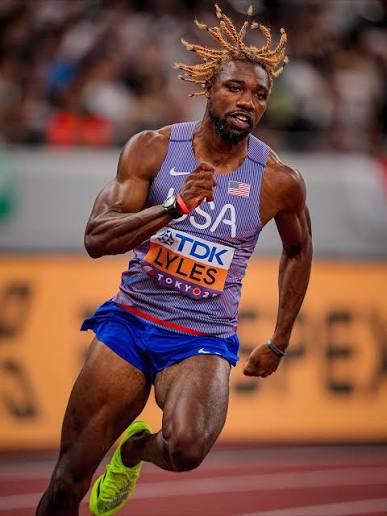 Research examining sprinting mechanics consistently demonstrates the importance of ground reaction forces. One study examining 60-meter sprinting found that vertical force was a significant contributor to maximal running speed.
Another study comparing elite sprinters with non-sprinters found that the fastest athletes produced greater vertical forces during the first half of ground contact at top speed—approximately 2.65 times body weight versus 2.21 times body weight in the non-sprinter athletes.
That means an athlete isn’t simply trying to push backward harder.
At top speed, they’re dealing with enormous forces into the ground and back into the body in incredibly short amounts of time.
So if you want to develop a faster athlete, your programming needs to address the physical qualities that allow them to handle and produce those forces.
Here’s how we approach it.
Key Priorities for Max Velocity Training
1. Develop Max Strength
This is the foundation.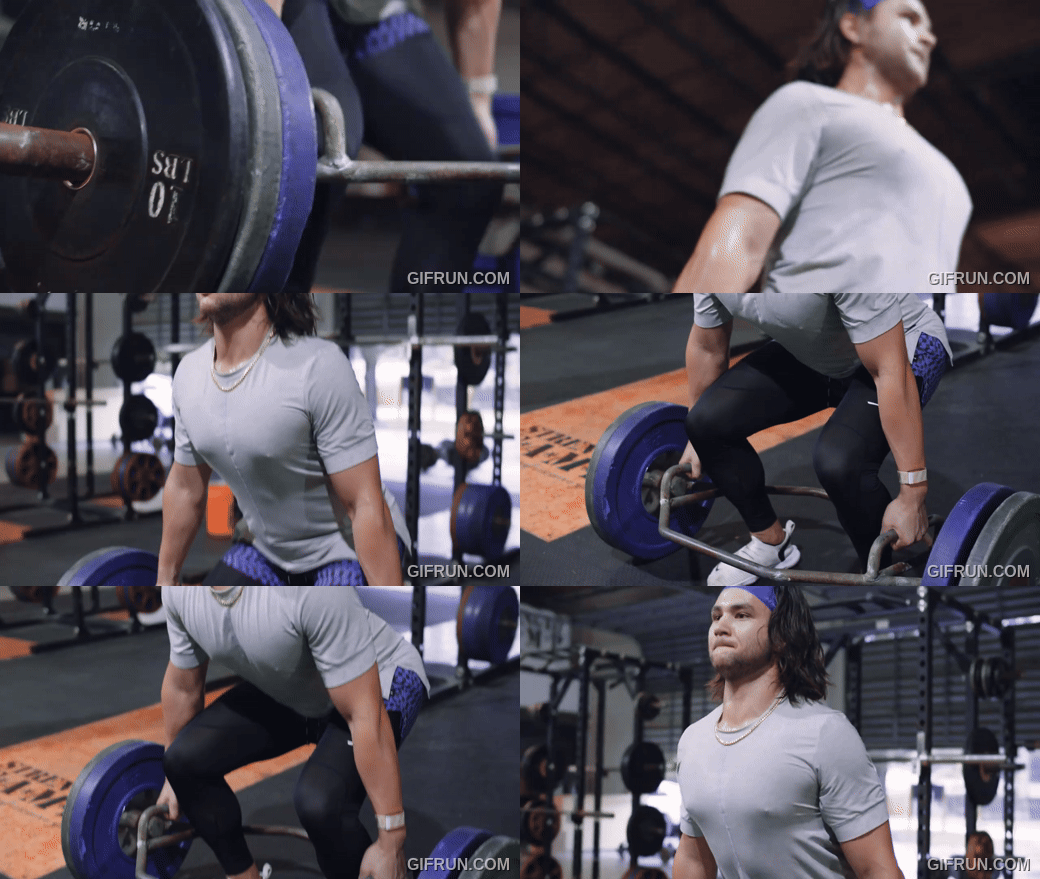
If an athlete isn’t strong enough, they simply don’t have the physical capacity to produce the amount of force required for high-level sprinting.
Think about it this way:
You can’t express force you don’t possess.
We’ve had sprinters in our facility weighing around 160 lbs easily deadlifting nearly 3x their bodyweight.
Strength training isn’t about turning every athlete into a powerlifter. It’s about increasing the athlete’s ability to produce force through the lower body and transfer that force into the ground.
Squats, split squats, deadlifts, step-ups, and other heavy strength exercises can build the foundation necessary for sprint performance.
Research has repeatedly connected force-production capabilities with sprint performance, particularly during acceleration. A 2025 study of collegiate baseball players found that greater lower-body maximal strength was associated with greater horizontal ground reaction forces during sprint acceleration.
Read about our top 5 strength exercises for getting faster!

The goal isn’t simply to get strong.
The goal is to build usable strength.
2. Improve Vertical Force
Here’s one of the biggest misconceptions about sprinting:
Athletes think running faster is purely about producing more horizontal force.
It’s not.
At high speeds, the athlete has to produce substantial vertical force to counteract gravity and keep their body moving efficiently through space.
As velocity increases, the time available to apply force decreases. The athlete has to hit the ground, absorb force, stabilize, and produce force again—extremely quickly.
That’s why vertical force is such an important part of max velocity development.
Research directly supports this. In the previously mentioned study of 60-meter sprinting, mean vertical force was identified as a contributor to maximal running speed.
Research examining athletes sprinting at 85–100% of their individual maximum velocity has also demonstrated meaningful changes in both vertical and horizontal ground reaction forces as sprinting velocity increases.
This is why we want athletes to become better at producing force vertically—not just horizontally.
Read more about vertical jump training and how to develop more vertical force in our previous articles.
And this is also where your strength and power training begin to overlap.
3. Use Plyometrics to Improve Power and Rate of Force Production
Strength gives you the horsepower.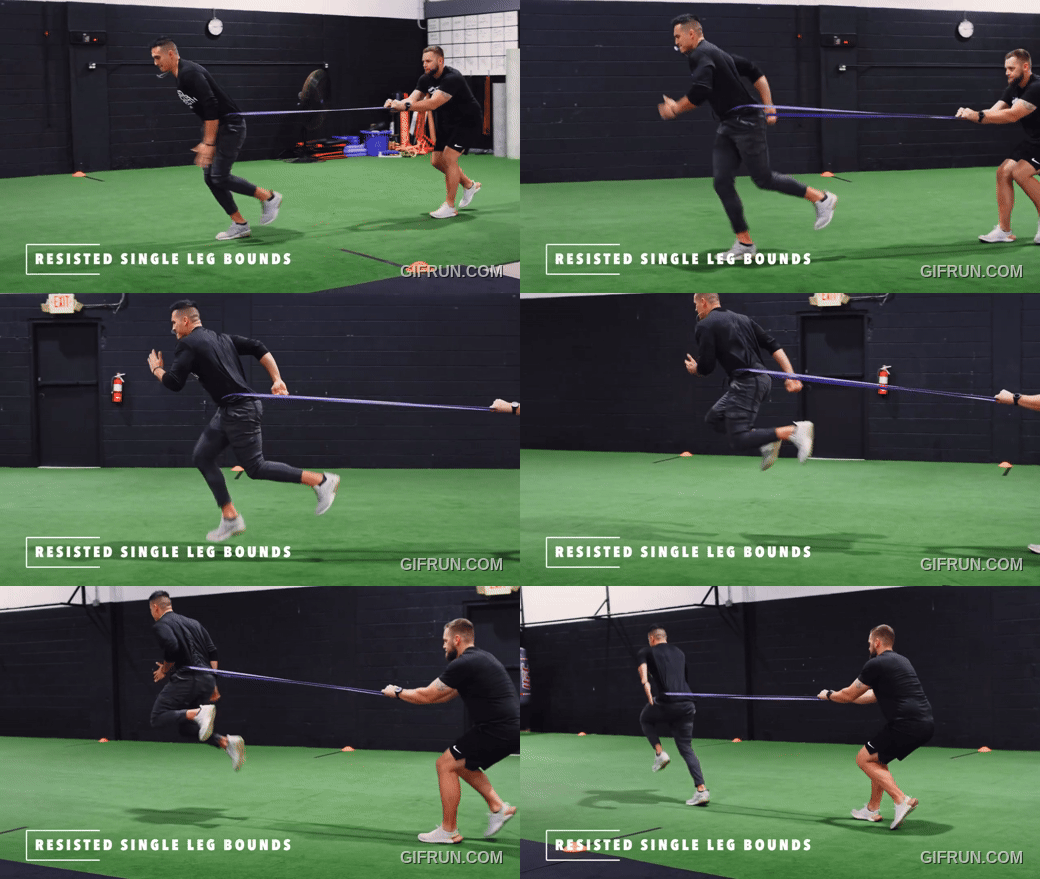
Plyometrics teach the athlete to use it quickly.
That’s critical because sprinting isn’t performed with unlimited time to generate force. Ground contact at high speeds happens incredibly fast.
The athlete needs to produce massive amounts of force in a fraction of a second.
That’s why we consistently expose athletes to:
- Pogo jumps
- Hops
- Bounds
- Depth jumps
- Single-leg jumps
- Reactive jumps
- Max-effort vertical jumps
The objective isn’t to randomly throw jumps into a workout.
It’s to progressively expose the athlete to high-quality ground contacts while developing their ability to absorb and redirect force.
This improves qualities such as rate of force production, reactive strength, stiffness, coordination, and elastic power.
For younger athletes, this becomes particularly important because we’re teaching them how to interact with the ground while progressively developing their force-production capabilities.
For advanced athletes, the emphasis can shift toward higher-intensity, more specific plyometric variations.
4. Sprint Mechanics Come Last—Not First
This might sound controversial.
But it’s something we see all the time.
An athlete runs slowly, and the immediate response is:
“We need to fix their mechanics.”
So they spend weeks doing A-skips, wall drills, marching drills, arm drills, and technical exercises.
Those can absolutely have value.
But there’s a problem if mechanics become the entire speed program.
An athlete can have technically beautiful sprint mechanics and still be slow if they don’t have the physical qualities required to produce high levels of force.
Mechanics are important because they help an athlete organize and apply the forces they already possess.
Once the athlete has developed strength, power, vertical force production, and the ability to apply force quickly, mechanics become much more useful.
Now we’re cleaning up the details.
We’re working on posture, improving front-side mechanics, optimizing foot placement, addressing excessive braking, improving arm action, and teaching the athlete to maintain their position at high speeds.
But here’s the key:
Most athletes don’t need to completely rebuild their running mechanics.
Give them the physical ability to produce more force, and many technical issues naturally improve because their body now has the capacity to perform the movement more effectively.
That’s why our programming doesn’t start with trying to make an athlete look fast.
We build an athlete who is physically capable of being fast.
How to Program Max Velocity Training
Developing max velocity isn’t about sprinting as hard as possible every single day.
That’s a great way to accumulate fatigue and reduce the quality of your sprint work.
Instead, high-speed sprinting should be treated as a high-intensity skill.
A basic progression might look like:
Foundation Phase
- Max strength development
- General plyometrics
- Sprint acceleration
- Basic sprint mechanics
Development Phase
- Increased strength and power
- Higher-intensity plyometrics
- Flying sprints
- Longer sprint exposures
- Technical refinement
Performance Phase
- High-quality maximal sprints
- Flying 10s, 20s, or 30s
- Full recovery between efforts
- Advanced plyometrics
- Strength/power maintenance
The key is quality over quantity.
You don’t need 20 exhausted sprints.
You need a handful of high-quality efforts where the athlete can actually approach their highest velocity.
And because high-speed sprinting places significant demands on the hamstrings, calves, Achilles tendon, feet, and nervous system, recovery needs to be programmed just as seriously as the sprint itself.
Learn more about acceleration drills that will help athletes get faster!
Final Thoughts
If you want to increase an athlete’s max velocity, stop thinking about speed as simply a mechanics problem.
Speed is a physical quality.
The athlete needs the strength to produce force.
They need the vertical force capabilities to overcome gravity and maintain high-speed movement.
They need plyometrics to improve their ability to produce and absorb force rapidly.
And then they need sprint mechanics to organize those physical qualities into efficient movement.
That’s the complete picture.
Build the engine first. Then optimize how the engine is used.
If you’re serious about helping an athlete become faster, don’t just give them more sprint drills.
They need a complete system.
The Athletic Speed System is designed to develop the physical qualities athletes actually need to become faster—strength, power, explosiveness, acceleration, and top-speed ability.
If you’re ready to stop guessing and start following a proven speed-development system, check out the Athletic Speed System and start building the speed your sport demands.