
Vertical Jump Training: How to Program Explosive Bounce for Serious Athletes
Every athlete wants more bounce.
Whether it’s basketball players trying to dunk, volleyball athletes trying to dominate at the net, or football players looking to become more explosive, athletes everywhere are searching for the secret to jumping higher.
And that’s exactly where the problem starts.
The sports performance industry has convinced athletes they need fancy equipment, “secret” exercises, and expensive machines to improve their vertical jump. Every year there’s another gimmick marketed as the magic solution for explosive power.
The reality?
Vertical jump training is actually much simpler than most athletes think.
If your program consistently develops strength, reactive ability, and explosive jumping power, your vertical will improve. That’s it.
Most athletes don’t need more complicated drills. They need better programming and more consistency. Also, go check out our article on the 5 best plyometric exercise to increase your vertical!
Stop Chasing Gimmicks

One of the biggest mistakes athletes make in vertical jump training is believing they need expensive specialty equipment to jump higher.
Machines like the Vertimax have been marketed for years as the ultimate vertical jump solution. But honestly, most of it is gimmicky nonsense.
You can accomplish almost everything that machine does with less than $50 worth of resistance bands and a squat rack or stable attachment point.
Band resisted and assisted jumps.
Reactive jumps.
Overspeed movements.
None of this requires a multi-thousand-dollar machine.
The truth is this:
If your training program is poorly structured, no machine will save you.
Athletes love looking for shortcuts because it feels easier than committing to months of consistent training. But vertical jump training is built on progressive overload, intelligent programming, and effort over time.
There is no magic tool that replaces hard training.
Instead of wasting money chasing gadgets, focus on the three things that actually improve athletic explosiveness.
1. Build Serious Lower Body Strength
If an athlete cannot produce force, they will never develop elite bounce.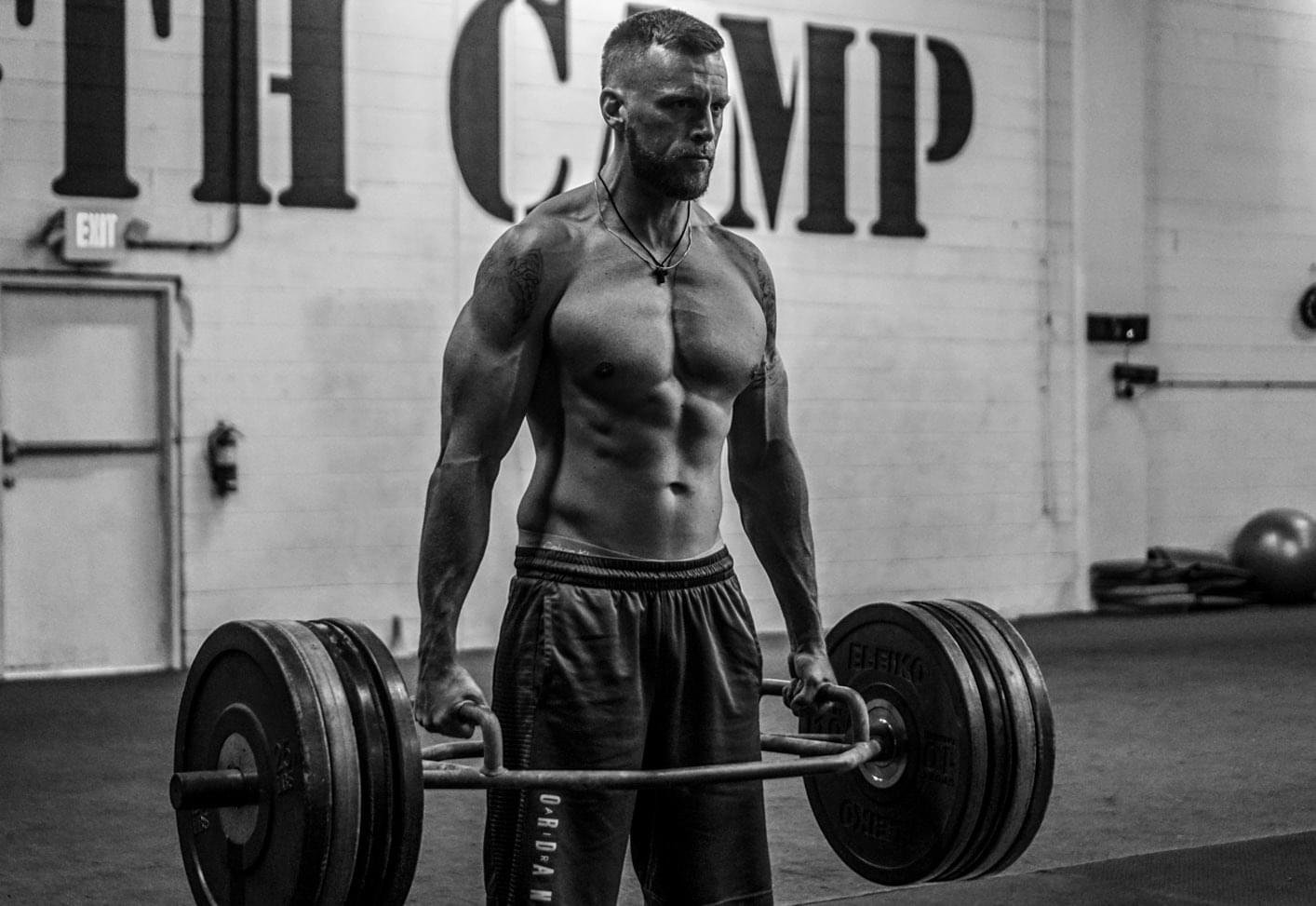
This is the foundation of all vertical jump training.
Jumping higher ultimately comes down to producing large amounts of force into the ground. The stronger an athlete becomes, the greater their potential for force production.
Too many athletes skip this step because heavy strength work is hard.
They want to jump onto boxes for Instagram instead of building real strength in the weight room.
But if an athlete has weak legs, weak hips, and poor force production capabilities, their vertical jump ceiling will always stay limited.
Strength creates the engine.
Exercises like:
- Squats
- Trap bar deadlifts
- Rear foot elevated split squats
- Romanian deadlifts
- Heavy sled pushes
all help athletes build the lower body force production needed for explosive jumping.
A stronger athlete has more raw horsepower available.
Now obviously strength alone does not automatically equal bounce. You can’t just become a powerlifter and expect elite explosiveness overnight. But without strength, there is nothing to express explosively in the first place.
For most athletes, getting significantly stronger will immediately improve their vertical jump potential.
Especially younger athletes who have never consistently trained.
Don’t avoid the hard work chasing gimmicks.
2. Perform Plyometrics Consistently
Once athletes build force production capabilities, they need to learn how to express force faster.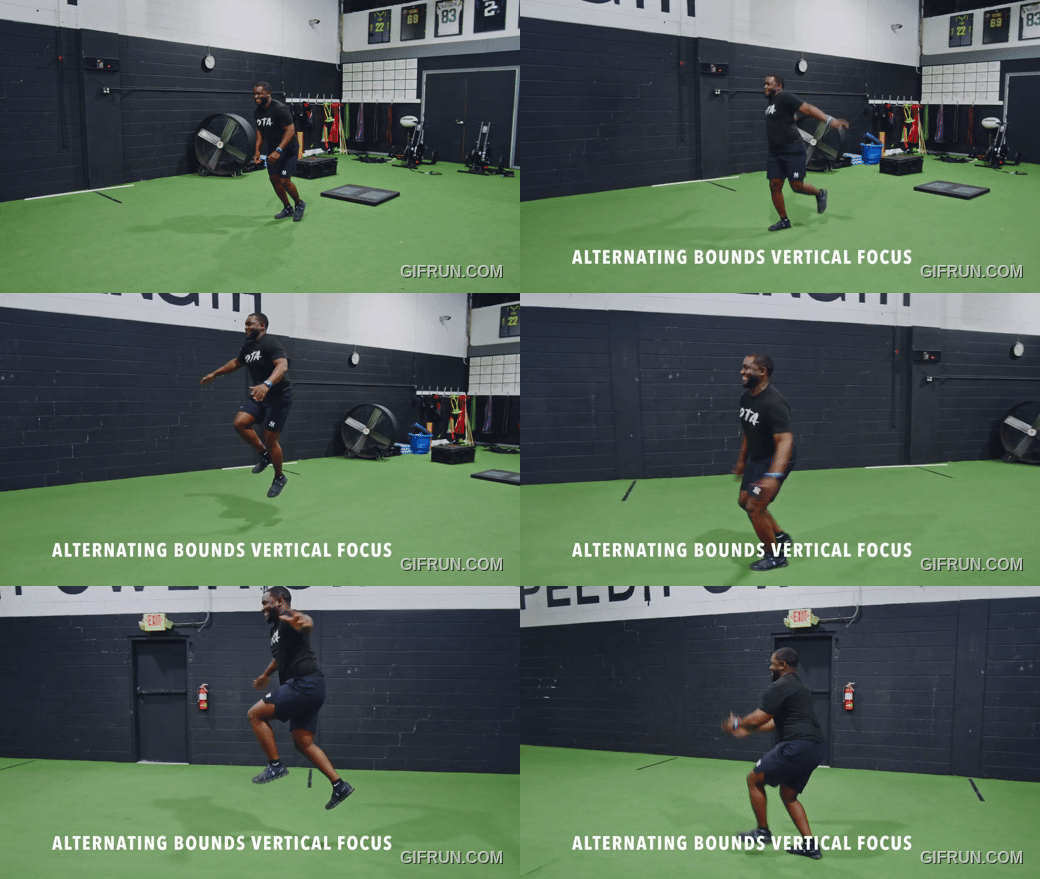
This is where plyometrics become critical in vertical jump training.
Plyometrics help improve reactive strength, tendon stiffness, coordination, elasticity, and rate of force development.
In simple terms:
They teach the body to apply force quickly.
Because in sports, explosiveness is not just about how much force you can produce. It’s about how fast you can produce it.
That’s why athletes need consistent exposure to:
- Pogos
- Bounds
- Depth jumps
- Broad jumps
- Hurdle hops
- Single leg jumps
- Reactive jump variations
These drills train the stretch shortening cycle and improve an athlete’s ability to rapidly absorb and redirect force.
The mistake athletes make is randomly doing “jump workouts” without progression or structure.
Good plyometric programming is progressive.
You don’t just throw advanced depth jumps at athletes who lack landing mechanics or tendon capacity. You build from lower intensity movements toward higher intensity reactive exercises over time.
Consistency matters more than flashy drills.
Athletes who consistently perform intelligent plyometric training week after week will become more explosive.
3. Perform Max Effort Jumps Every Week
If athletes want to improve their vertical jump, they need to actually jump at high intensity consistently.
Sounds obvious, but many athletes completely miss this.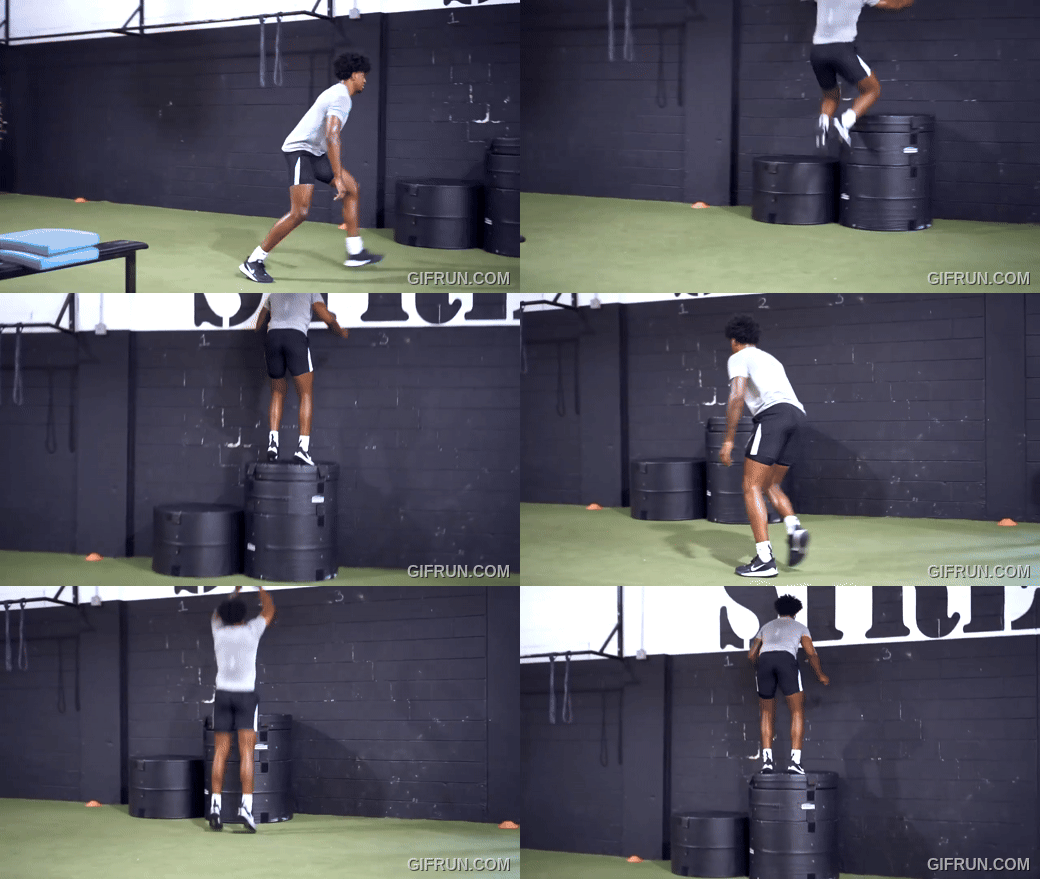
You cannot develop elite vertical power without regularly exposing the nervous system to maximal jumping efforts.
Your body adapts specifically to what you repeatedly demand from it.
If you want to become explosive, you need to practice being explosive.
That means athletes should consistently perform:
- Max approach jumps
- Max vertical jumps
- Rim touches
- Dunk attempts
- Max effort broad jumps
every single week.
These jumps teach the nervous system how to coordinate force production at high speeds while improving jump skill and intent.
Intent is huge.
A lazy jump at 70% effort will never create the same adaptation as a true maximal effort jump where the athlete is trying to violently attack the ground and explode upward.
This is one reason athletes often plateau.
They spend too much time doing conditioning circuits and low intensity fatigue work instead of actually training explosive outputs.
High quality max effort jumps help bridge the gap between strength and athletic explosiveness.
Final Thoughts
Vertical jump training does not need to be complicated.
Athletes are constantly searching for secret exercises, expensive machines, and gimmicky tools when the real answer has always been consistent programming.
If you want real bounce, focus on:
1. Building serious lower body strength
2. Performing plyometrics consistently
3. Training max effort jumps every week
That’s the formula.
Not magic shoes, expensive machines, or social media gimmicks.
Real explosiveness is built through intelligent progressive training over time.
If you’re serious about taking your athleticism to the next level and want a complete step-by-step vertical jump system designed for real athletes, check out Elite Vertical Academy and start building explosive bounce today.
