
Thoracic Mobility for Athletes: 3 Must-Do Drills to Improve Rotation and Throwing Power

Most athletes don’t have a “shoulder problem” or a “tight arm problem” — they have a thoracic spine problem.
And that distinction matters.
The thoracic spine (your mid-back) is the true engine room of rotation. It’s designed to rotate, extend, and transfer force between the lower body and upper body. When it’s stiff, everything upstream and downstream starts to compensate — especially in throwing, swinging, and overhead sports like baseball, softball, volleyball, and golf.
If you’re an athlete, coach, or parent trying to understand why performance stalls or why shoulder issues keep showing up, start here: your thoracic mobility is likely the limiter, not your shoulder strength.
Your body will always compensate when there’s a limitation in mobility somewhere. For rotational and throwing athletes, a lack of thoracic mobility can be very detrimental. Check out my last article on the best hip mobility exercises for explosive athletes.
Lets get into it!
Why Thoracic Mobility Matters for Athletes
In rotational sports, power doesn’t come from the arm — it comes from sequencing.
That sequence starts from the ground, travels through the hips, transfers through the thoracic spine, and finally expresses through the arm or implement (bat, ball, club, etc.).
When the thoracic spine is stiff:
- The shoulder has to compensate for lost rotation
- The lumbar spine over-rotates, increasing injury risk
- The athlete loses separation between hips and torso
- Throwing mechanics become “arm-dominant” instead of efficient
- Power output drops because force can’t transfer cleanly
For Throwers (Baseball/Softball/Volleyball)
Overhead athletes rely heavily on thoracic extension and rotation to get the arm into optimal throwing positions. If they can’t access that range:
- The shoulder joint takes on more stress
- Elbow load increases
- Timing of the throw becomes inconsistent
- Velocity ceilings show up earlier than expected
In simple terms: a stiff mid-back forces the arm to do a job it was never meant to handle alone.
Thoracic Spine and Shoulder Mobility Connection
Your shoulder doesn’t operate in isolation. It sits on top of the scapula, which sits on top of the rib cage — which is directly influenced by the thoracic spine.
If your thoracic spine is locked in flexion (rounded posture):
- Scapular upward rotation becomes limited
- Overhead range of motion decreases
- Shoulder impingement risk increases
- Pressing and throwing positions become compromised
This is why athletes often chase “shoulder mobility drills” when the real issue is upstream.
Fix the thoracic spine, and the shoulder often frees up immediately.
Golf: The Hidden Thoracic Power Leak
Golfers are one of the clearest examples of thoracic mobility limitations killing performance.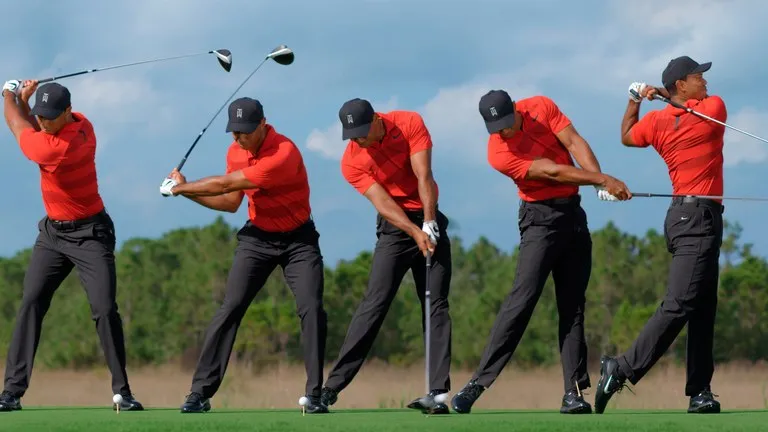
A powerful golf swing requires:
- Full thoracic rotation in backswing
- Controlled counter-rotation between hips and torso
- Efficient energy transfer into the downswing
When thoracic rotation is limited:
- The arms compensate early in the swing
- The swing becomes “armsy” instead of rotational
- Sequencing breaks down (hips vs torso timing issues)
- Club speed drops because stored elastic energy is reduced
You can think of it like this:
If the thoracic spine is stiff, the swing loses its coil. No coil = no whip.
The Mistake Most Athletes Make
Here’s where most training systems go wrong:
They treat mobility like the solution.
But mobility alone doesn’t create performance.
If you only “open up range of motion,” you’ve simply given the athlete a bigger window they can’t control under force.
That’s why elite athletes don’t just stretch — they:
- Build active control in new ranges
- Load mobility positions
- Train explosive rotation through those ranges
Mobility without strength is just temporary flexibility.
Mobility with strength becomes usable performance.
The 3 Best Thoracic Mobility Drills for Athletes
1. Weighted Open Book Stretch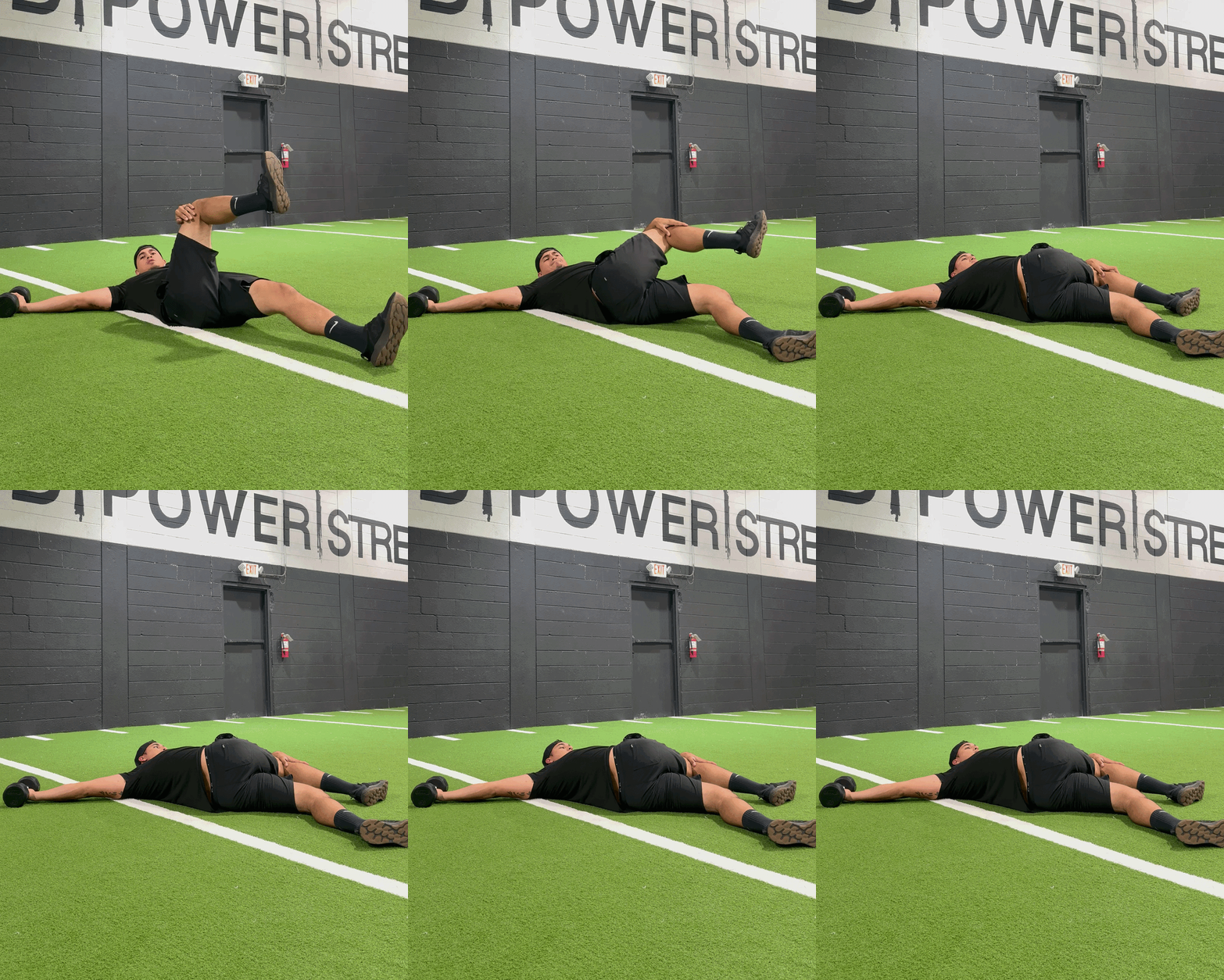

Focus: Thoracic Rotation + Extension
This is your foundational rotational mobility drill.
Lying down with one arm extended and weighted down using a dumbbell or plate, you rotate your lower half the opposite direction for a deep rotational stretch.
Why it works:
- Adds load to rotation pattern
- Actively reach the knee and outstretched arm away from each other
- Improves separation between upper and lower body
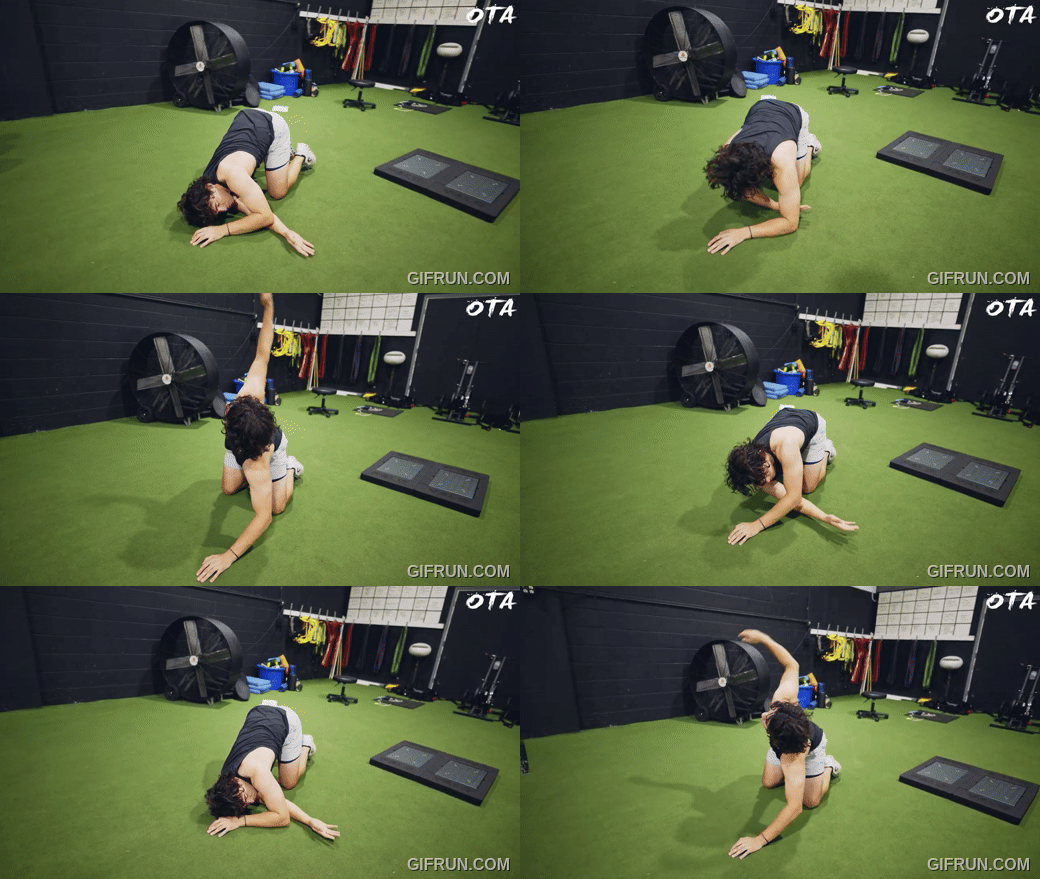
2. Banded Thoracic Reach-Through Stretch
Focus: Anterior Thoracic Rotation + Upper Mid-Back Opening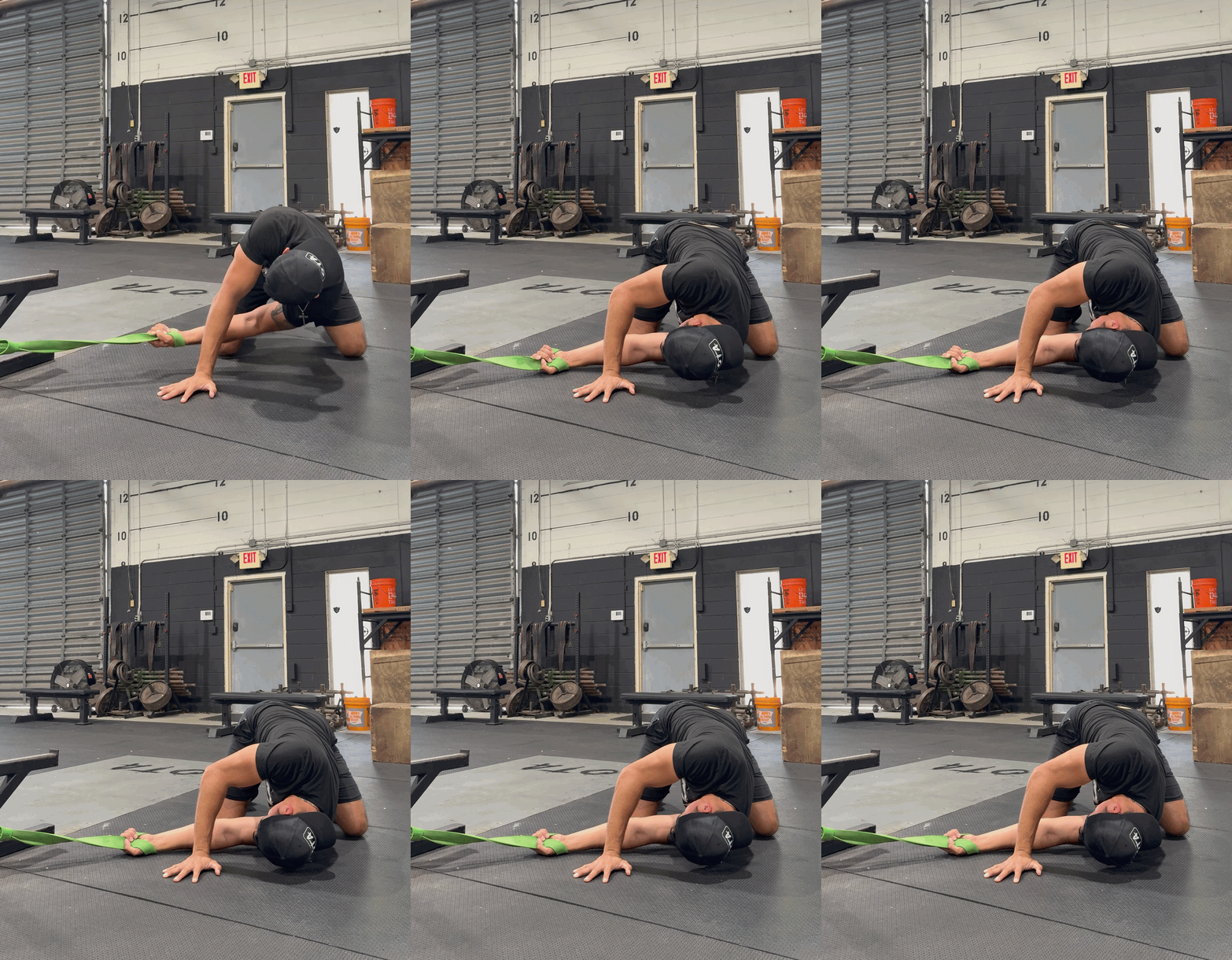
This drill targets the most common restriction in athletes — a stiff, flexed upper back.
The band creates a pulling force that helps open the mid-back while the athlete actively reaches through and rotates.
Why it works:
- Improves anterior thoracic rotation and flexion in relation to the scapula
- Band assists in pulling your torso through, helping segment the thoracic spine from the lumbar spine
Coaching cue:
Exhale as you reach through and try to “lengthen” the spine and shoulder.
3. Med Ball Overhead Thoracic Extension Stretch
Focus: Loaded Thoracic Extension + Shoulder Overhead Mobility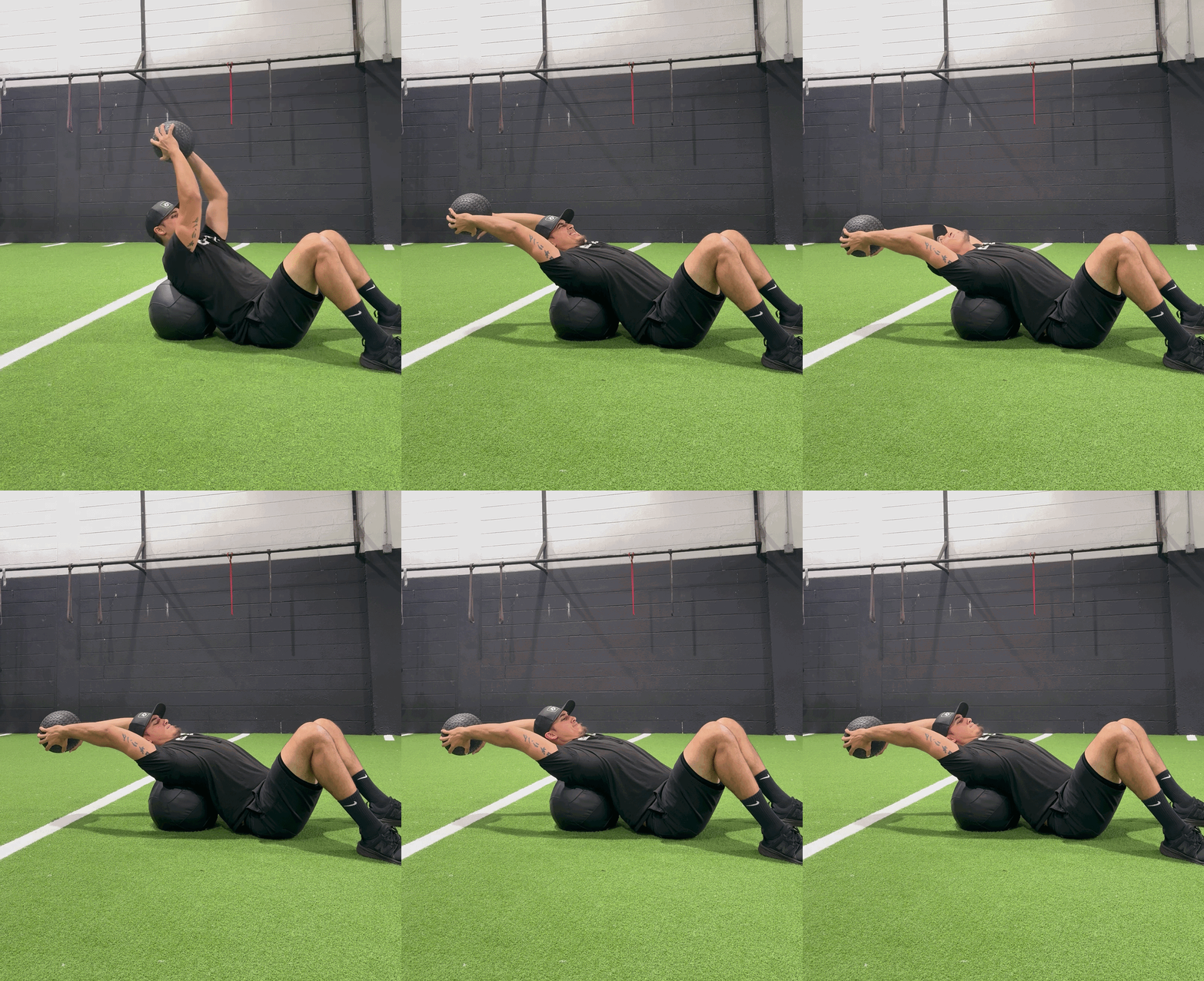
This is the most intense and performance-specific drill in the series.
The athlete lies over a med ball placed under the upper mid-back, creating a passive extension bias. Then, holding another med ball, they reach overhead into end range.
Why it works:
- Creates loaded end-range thoracic extension
- Forces shoulder + spine integration
- Builds tolerance in overhead positions used in throwing and attacking
This is not a passive stretch, it’s an active loaded isometric exposure to the exact positions throwing and overhead athletes need in sport.
Coaching cue:
Stay tight through the core and keep the rib cage down. Don’t collapse into the low back.
The Performance Takeaway
If you’re serious about performance, don’t think of thoracic mobility as a warm-up accessory.
Think of it as a force transfer system upgrade.
Because once you unlock the thoracic spine:
- Rotation becomes smoother
- Throwing mechanics become more efficient
- Shoulder stress decreases
- Power output increases
- Sequencing becomes cleaner across all rotational sports
But the real separator is what you do next.
Mobility gives you access.
Strength and explosiveness make it usable.
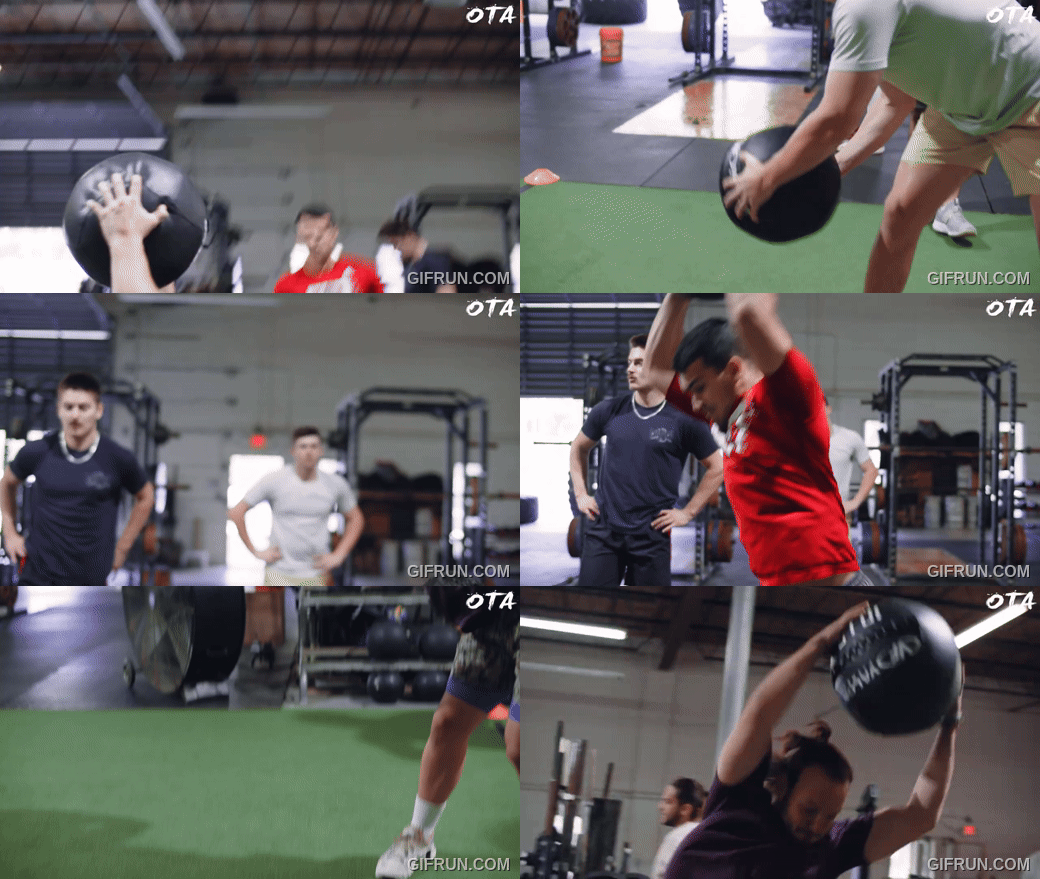
So after these drills, athletes should be reinforcing with:
- Rotational med ball throws
- Explosive chops and lifts
- Loaded carries with rotation control
- Deceleration work through range
That’s how mobility turns into performance.
Final Thoughts
Most athletes don’t just need more strength in the arms.
They need more freedom and control through the thoracic spine.
If you clean up this one area, everything else like shoulder health, throwing velocity, swing power, and movement efficiency can starts to change.
This is one of those “high leverage” areas where small improvements create massive performance shifts.
Want to Take This Further?
If you’re a baseball athlete, coach, or parent and you want to build real rotational power — not just mobility work that doesn’t carry over — our Baseball Performance System is designed to connect:
- Mobility
- Strength
- Explosive rotational power
- Throwing-specific performance training
Click the image below to get started today!
