
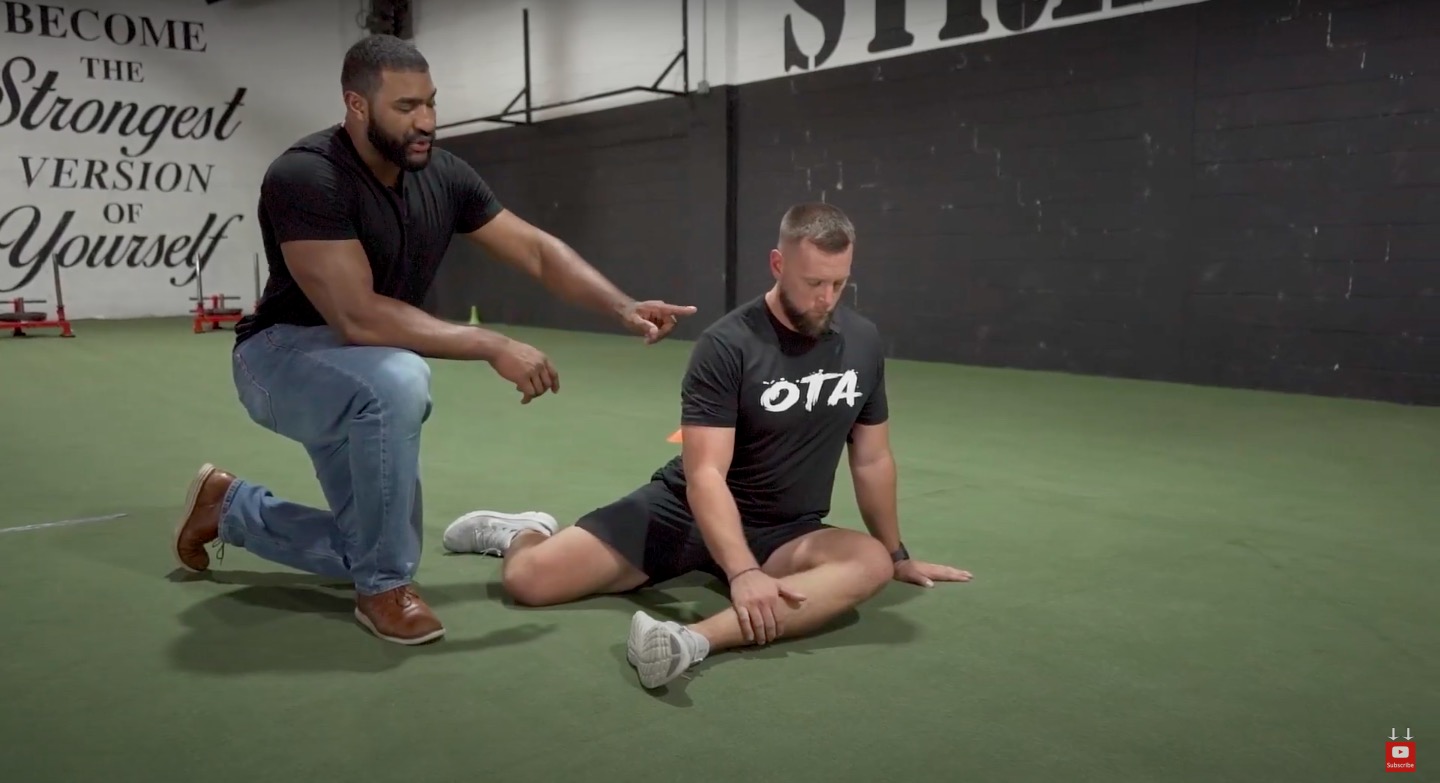
BEST Hip Mobility Exercises for Explosive Athletic Performance
If you want to run faster, jump higher, cut harder, and move like a true athlete, you need to start paying attention to your hips. One of the biggest missing pieces I see with athletes today is a lack of hip mobility. They want more speed, more power, and better performance, but they’re trying to build it on top of stiff, locked up hips.
That’s a problem.
Your hips are the engine of athletic movement. Sprinting, jumping, decelerating, changing direction, squatting, deadlifting, and rotating all depend on how well your hips move. If your hips are tight, restricted, or weak through full ranges of motion, you’re leaving performance on the table.
That’s why I’m giving you my favorite hip mobility exercises for athletes to unlock explosive athletic performance. Make sure to read my previous article on ankle mobility for athletes!
Why Hip Mobility Matters for Athletes
Mobility is not just stretching. Mobility means having strength and control through usable ranges of motion.
That matters because in sports, you don’t just need flexibility—you need to be able to own positions under speed, force, and chaos.
When an athlete improves hip mobility, they often see benefits like:
- Improved stride efficiency when sprinting
- More force production into the ground
- Better jump depth and power output
- Cleaner cutting and jump mechanics
- Lifting form improved on squats, deadlifts, and lunges
- Less compensation in the knees and lower back
- Improved recovery and movement quality
When the hips don’t move well, the body steals motion somewhere else. Usually that means the knees or lower back take stress they shouldn’t.
My Experience with Hip Mobility
When I finished playing football, I was strong—but I didn’t move as well as I thought I did.
Like a lot of former athletes, I had spent years lifting, sprinting, competing, and grinding through tightness. My hips were stiff, my movement quality had dropped, and I dealt with nagging lower back pain more than I should have.
Once I started consistently training hip mobility, everything changed.
I moved better. I felt looser, faster, and more athletic again. My squat positions improved. My sprint mechanics felt cleaner. Most importantly, the lower back pain I used to deal with disappeared.
That’s when it really clicked for me: sometimes the issue isn’t weakness—it’s restriction.
BEST Hip Mobility Exercises for Athletes
Use these movements as a warm-up, recovery circuit, or daily mobility flow.
1. Groiners
This is one of the best opening drills for athletes because it attacks the hips dynamically while improving position.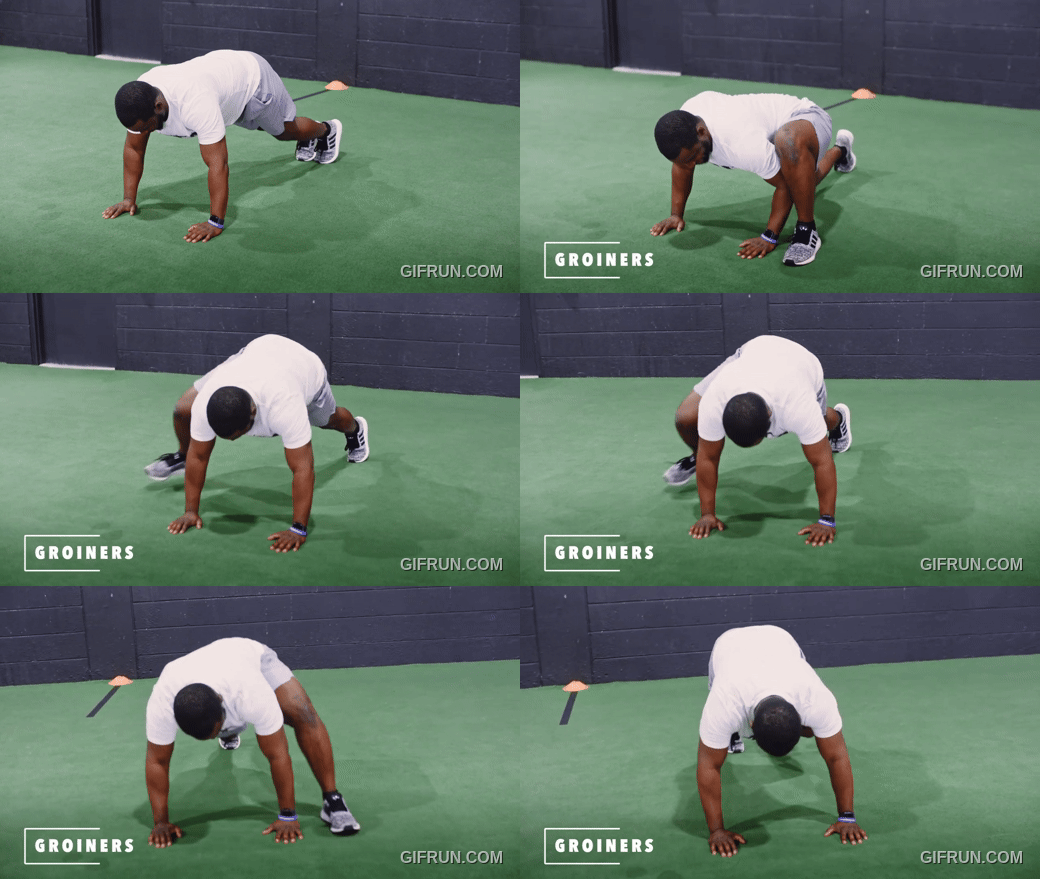
Get into a deep lunge with both hands inside the front foot. From there:
- Press the hips down toward the floor
- Squeeze the opposite glute hard
- Keep the chest tall
- Feel separation through the front hip and rear hip flexor
This creates true hip opening while teaching pelvic control.
Do: 10 reps each side
2. 90/90 Hip Rotations with Reach
This is elite for improving both internal and external rotation of the hips.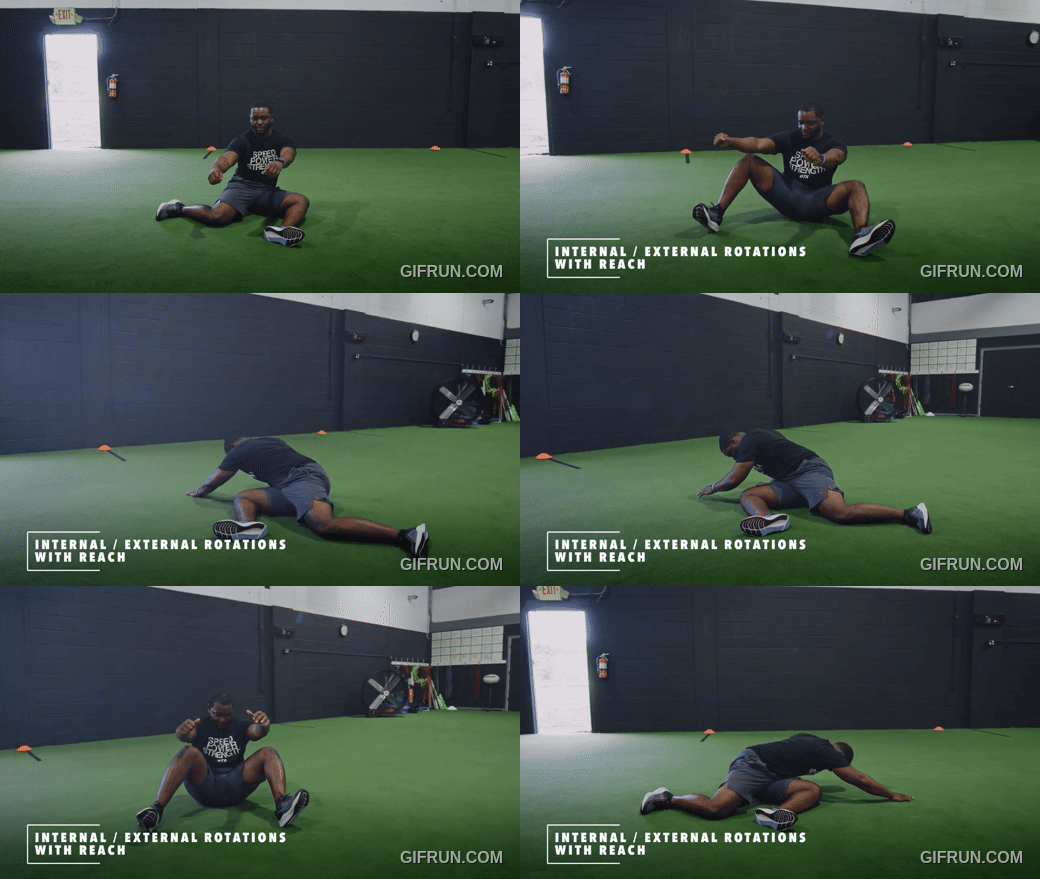
Sit in the 90/90 position with both knees bent at 90 degrees. Rotate side to side under control. Once in position, add a reach over the front leg.
Why this matters: many athletes are extremely tight in the piriformis and posterior hip capsule, which can limit movement and create discomfort.
The reach adds extra stretch while the transitions build active mobility.
Do: 10 reps each side with 3-second reaches
3. Dynamic Frog with Hip Internal Rotations
This one is tough—but incredibly effective.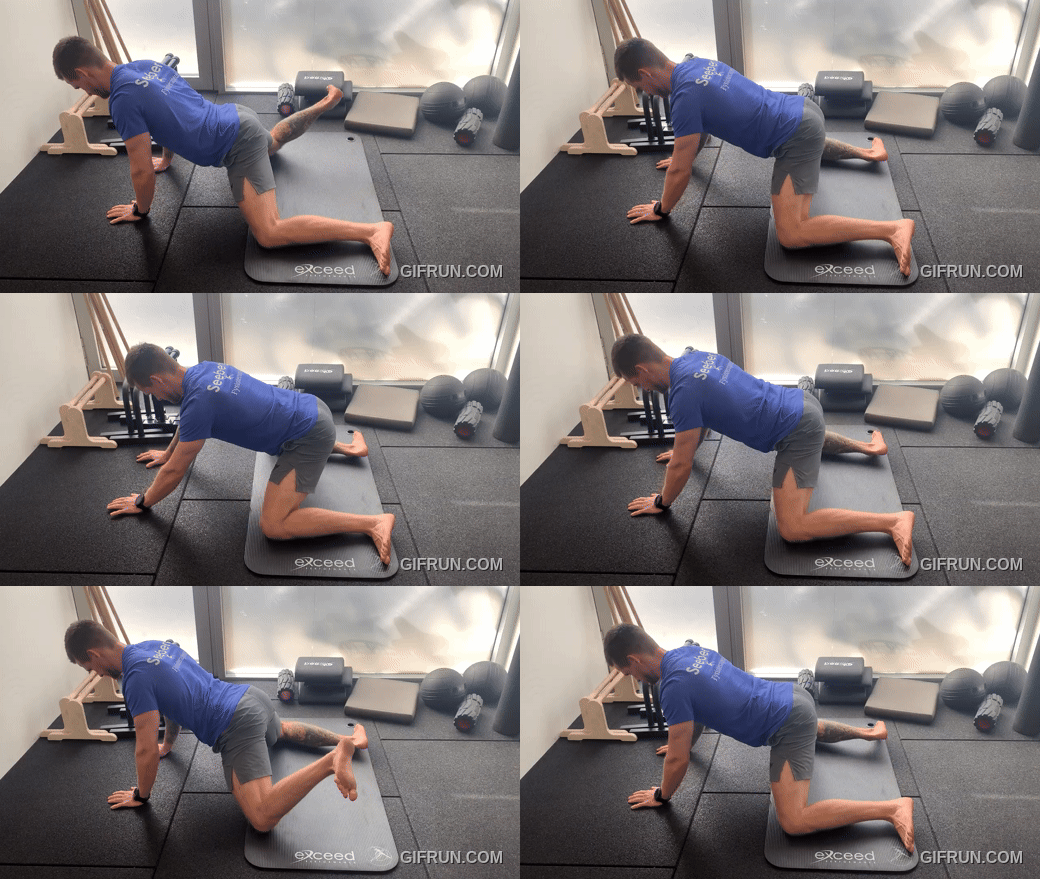
Start in a frog stretch position with knees wide and feet out. Rock the hips back hard to stretch the adductors. As you come forward:
- Lift one ankle
- Internally rotate the hip actively as far as possible
- Alternate sides
This opens the groin, adductors, and trains internal rotation—one of the most underrated qualities for sprinting and cutting. Whenever you’re applying force down into the ground, that requires hip internal rotation.
Do: 10 reps each side
4. Scorpions
A dynamic posterior chain and rotational hip opener.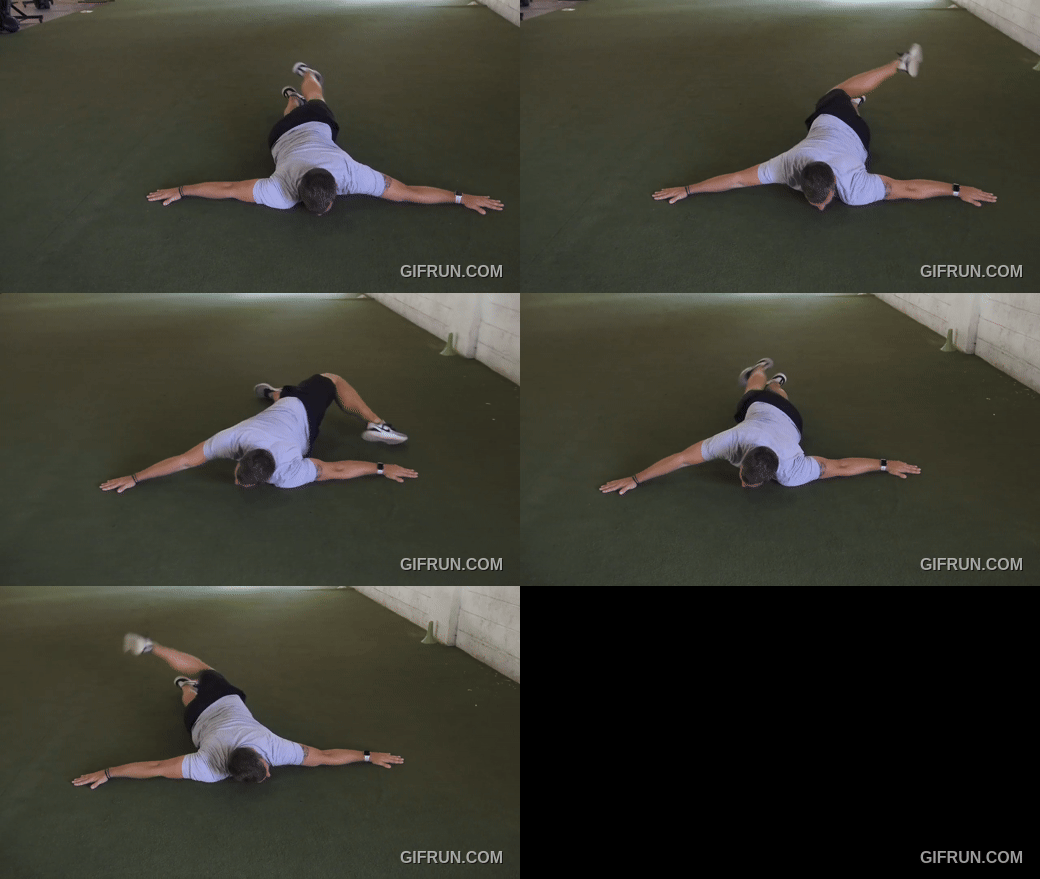
Lie face down with arms out. Reach one foot across your body toward the opposite hand. Rotate through the hips while keeping control.
This is great for athletes who feel locked through the glutes, hip flexors, or trunk rotation.
Do: 10 reps each side
5. Iron Cross
The opposite of the scorpion.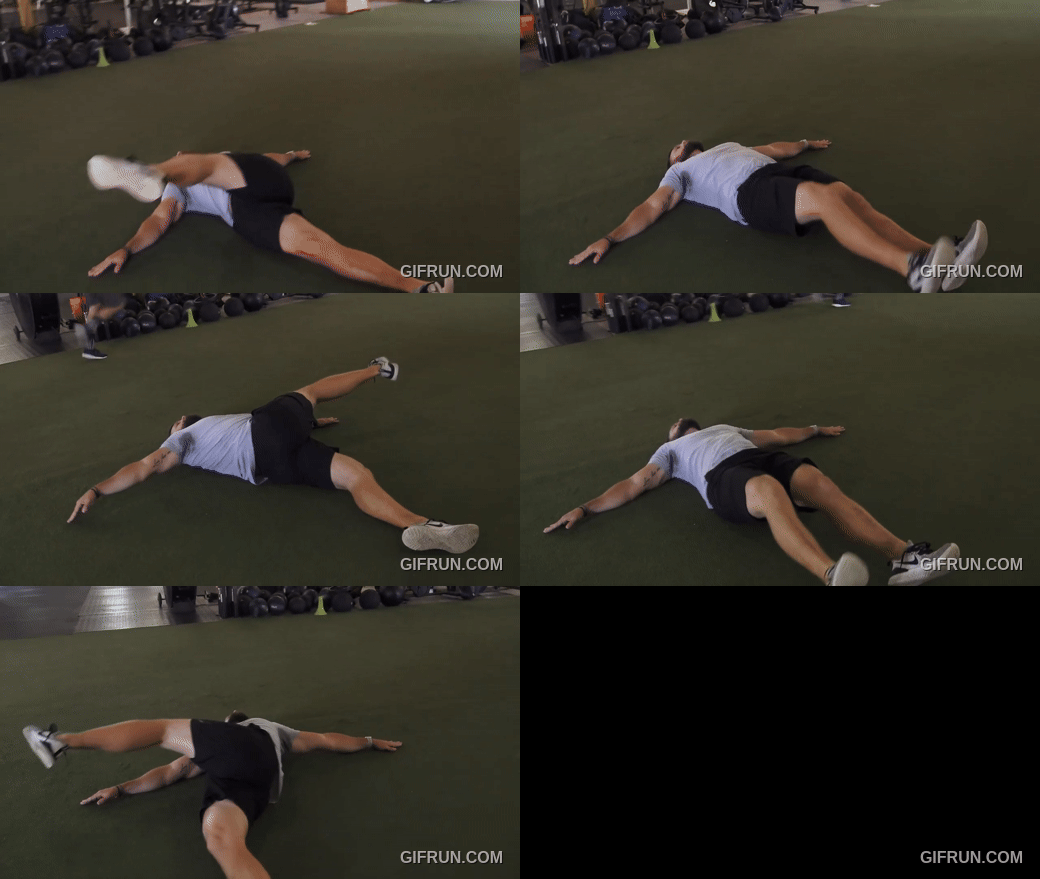
Lie on your back with arms out wide. Keep legs straight and reach one foot across the body toward the opposite hand.
This challenges hamstring mobility, trunk rotation, and hip control all in one movement.
Athletes who need smoother rotational movement and overall athletic fluidity love this drill.
Do: 10 reps each side
6. Single Leg Glute Bridge with Knee Tucked
This is where mobility meets activation.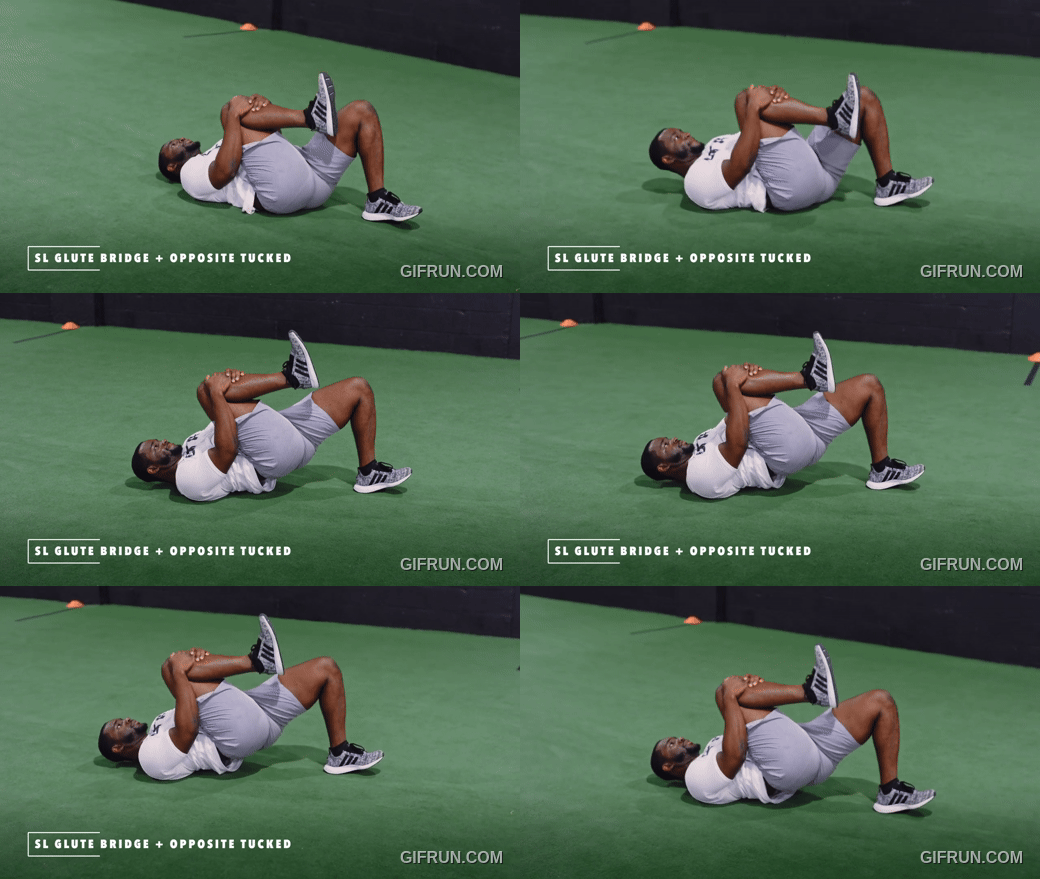
Lie on your back. Pull one knee tight to the chest while the opposite foot stays planted. Drive through the planted foot and perform a single-leg glute bridge.
Why it works:
- Locks the pelvis in place
- Forces true hip extension
- Opens the front of the hip
- Activates the glute while stretching the opposing hip flexor
Many athletes “use their back” instead of their glutes. This fixes that.
Do: 10 reps each side with a 2-second squeeze at the top
How Hip Mobility Transfers to Speed and Performance
Here’s what athletes need to understand:
Mobility creates better positions. Better positions create better force.
If you can strike the ground with better hip extension while sprinting, you’ll be faster. Load deeper and get more ROM in hips on a jump, you’ll produce more power. If you can internally rotate and decelerate efficiently, you’ll cut and accelerate with more force.
Even in the weight room, mobility changes everything.
- Better squat depth
- Stronger hinge mechanics
- More glute involvement
- Cleaner lunges and split squats
- Less stress on knees and low back
That means more quality training, more strength gains, and more carryover to the field.
Final Thoughts
Most athletes chase fancy drills, but ignore the movement quality that everything is built on.
If your hips are tight, your performance ceiling is limited.
These hip mobility exercises can help you unlock speed, explosiveness, cleaner mechanics, and better long-term health. You don’t need an hour a day either—10 minutes of focused work done consistently can create massive changes.
I’ve seen it firsthand in myself and with countless athletes.
Move better, and you’ll perform better. Improve your hips and you’ll improve your movement.
But don’t just improve the mobility and range of motion. Once you have it, you need to make sure it translates to your overall performance through strength and plyometric training. I started by focusing on vertical training and saw my vertical go from 27 to 36 inches. Vertical is always a great place to start!
