
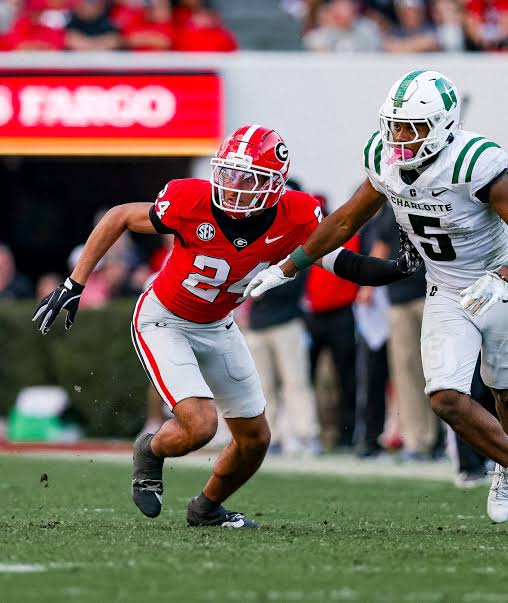
Football Training: What it Takes to Play College Football
Every year, thousands of high school athletes say the same thing: “I’m going to play college football.” Only a small percentage actually make it.
The difference usually isn’t talent. It’s how they train and how they think.
Too many young players make the same mistakes early in their development. Some put all their time into skills training: route running, footwork drills, and position work, while their bodies never change. Others jump straight into travel ball or 7-on-7 teams before they’ve built a real athletic foundation. They’re chasing reps, highlights, and gear, and skipping the work that actually wins on Friday nights and gets you on a college roster.
Skills matter. 7-on-7 can be fun. But neither one will make you bigger, faster, or stronger, and that’s what college coaches are looking for first.
If you’re serious about playing at the next level, your football training needs to be built on three things.
1. Get Bigger, Faster, and Stronger
Here’s the truth most young athletes don’t want to hear: you probably don’t need more skill work. You need to develop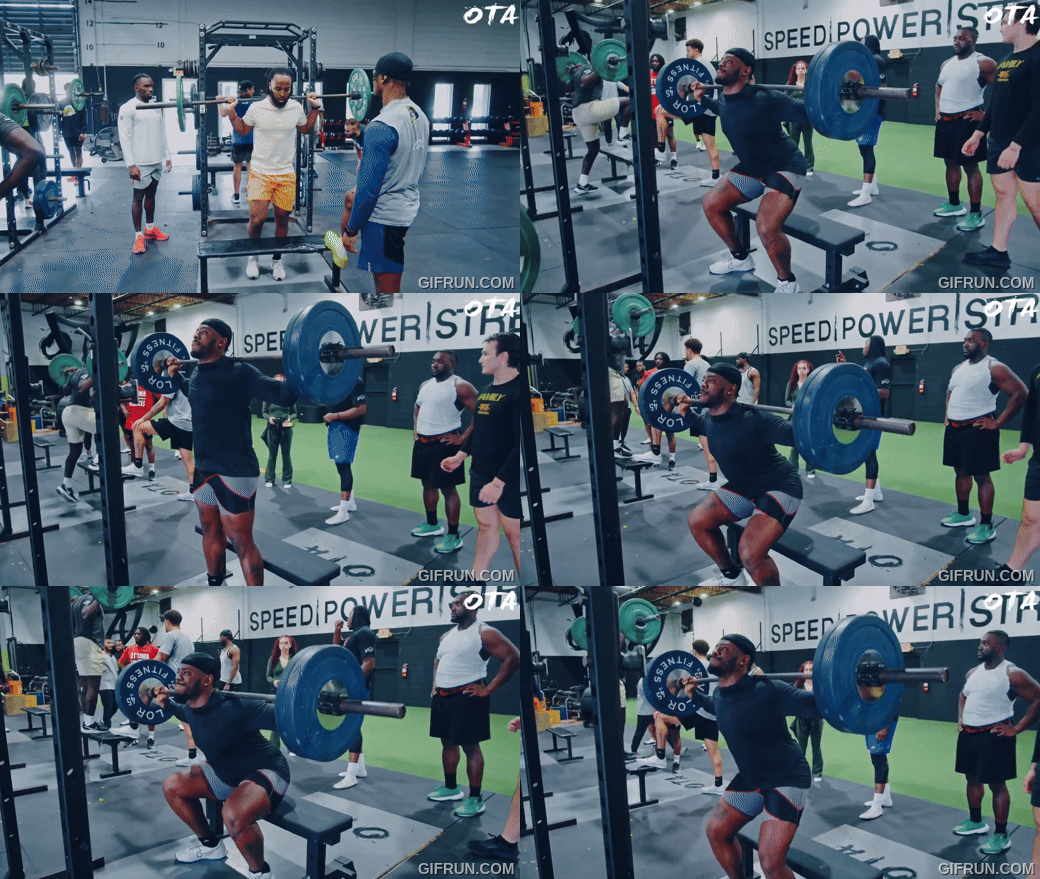 physically.
Think about it. You can have the cleanest footwork in your conference. But what happens when you line up across from someone just as skilled as you, who’s 30 pounds heavier and a step faster? Skill gets cancelled out. Size, speed, and strength win the rep.
College football is a game of grown men. Every player on the field was the best athlete on their high school team. At that level, everybody has skill. The guys who separate are the ones who built the most explosive, powerful, durable bodies.
That’s why real football training for high school athletes has to put physical development first:
• Strength: Build a foundation with the big lifts: squats, deadlifts, presses, and Olympic lift variations. Strength is the base that speed and power are built on.
• Speed and acceleration: Train sprint mechanics, acceleration, and change of direction. Games are won in the first 10 yards.
• Size: Add quality muscle mass with smart programming and enough food to fuel it. You can’t out-train a bad diet.
• Explosiveness: Jumps, throws, and plyometrics that teach your body to produce force fast.
Keep doing your skill work. Just stop treating it like it’s the whole plan. The athletes who get recruited are the ones whose bodies look and move like college players before they ever get there.
2. Commit to a Coach and a Program
There are still too many young football players trying to “figure it out” on their own.
They pull workouts from social media, copy whatever their favorite NFL player posted last week, and bounce from one plan to the next. A few months later, they’re not training like athletes at all. They’re bodybuilding: chest day, arm day, mirror work. They look a little bigger, but they’re not any faster, more explosive, or better on the field.
No athlete reaches the next level on their own. Every college and NFL player you look up to had coaches who built their plan, corrected their technique, and held them accountable.
When you commit to a real coach and a structured program, you get:
• A plan built for football. Training organized around speed, power, and strength, not just how you look.
• Progression. Each phase builds on the last, so you’re always moving forward instead of starting over.
• Coaching on technique. Bad form doesn’t just slow progress. It gets athletes hurt.
• Accountability. Someone in your corner who expects you to show up and do the work.
Pick a program you trust and stick with it long enough to see results. Program-hopping is one of the fastest ways to waste a year of development.

3. Train with Relentless Intensity
Some athletes are doing everything “right.” They have a program, they show up, and they check the boxes. And they still aren’t seeing the progress they want.
Most of the time the reason is simple: they’re not training hard enough.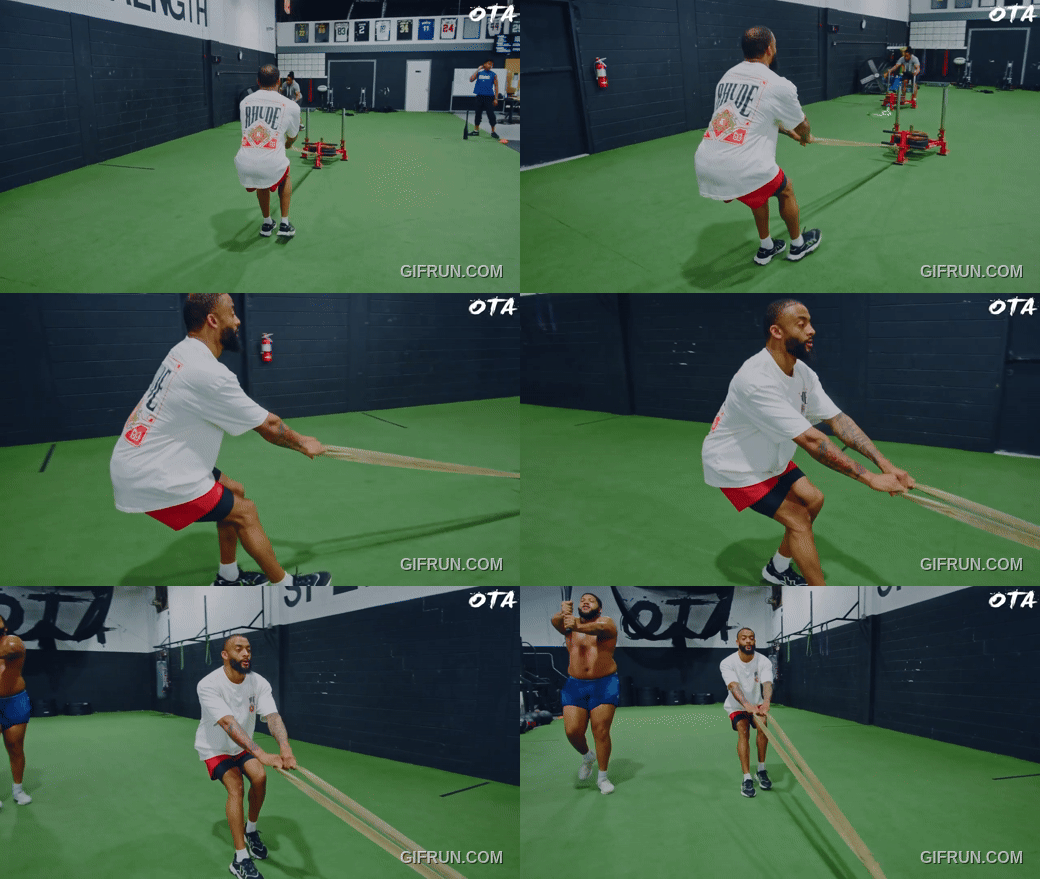
Your body only changes when it’s forced to. If you stop every set when it starts to burn, coast through sprints, and pick weights that feel comfortable, you’re giving your body no reason to adapt. You’re just going through the motions.
Relentless intensity looks like this:
• Pushing sets close to failure, where the last couple reps are a real fight (with good form and a coach watching).
• Running every sprint like it’s the last one you’ll get.
• Treating every rep like you’re competing against the guy you’ll face for a starting spot.
• Showing up on the days you don’t feel like it, because those days count the most.
Intensity is also a mindset. The athletes who make it to college football don’t wait to feel motivated. They’ve built the discipline to attack every session, in-season and off-season, whether anyone is watching or not.
That mentality is what college coaches notice. It shows up on film, in the weight room numbers, and in how you carry yourself at camps.
Final Thoughts
Playing college football isn’t about luck, and it isn’t about how many 7-on-7 tournaments you play in. It comes down to three things: building a body that can compete at the next level, committing to a coach and a program that knows how to get you there, and attacking your football training with relentless intensity every day.
The athletes who make it start early, stay consistent, and do the work when nobody’s watching. The ones who don’t usually look back and wish they had.
You don’t have to figure it out alone.
Ready to train like a college athlete? Get the Football Performance System and start building the speed, strength, and size it takes to play at the next level.

