

Deceleration Training: The Most Overlooked Skill for Faster, Safer Athletes
When athletes think about speed, they almost always picture one thing—running faster.
Every workout becomes about sprinting, jumping higher, producing more force, and becoming more explosive. While all of those qualities are important, they’re only half of the equation.
Here’s the truth most athletes never hear:
It doesn’t matter how fast you can accelerate if you can’t slam on the brakes, control your body, and explode in a new direction.
That’s where deceleration comes in.
Deceleration is one of the most overlooked qualities in sports performance, yet it’s one of the biggest factors in game speed, change of direction ability, and injury prevention. Whether you’re a football player making a cut, a basketball player stopping on a dime, a soccer player defending an attacker, or a baseball player reacting to a ground ball, your ability to slow down efficiently determines how quickly you can move again.
The best athletes aren’t just fast.
They’re incredible at stopping and staying fast when they change directions.
Make sure to read our previous article sharing the best agility drills for football players to get faster.
Let’s get into it.
Speed Isn’t Just About Going Faster
Every athlete loves training acceleration.
Heavy sled pushes, sprint mechanics, resisted sprints, jumps, and explosive lifts all help athletes produce more force into the ground. These methods improve how quickly an athlete can get up to speed.
But sports aren’t track.
In nearly every game, athletes are constantly accelerating, decelerating, cutting, shuffling, backpedaling, and reacting to opponents. Rarely do they get to sprint in a perfectly straight line for more than a few yards.
Think about the fastest receiver in football or the quickest point guard in basketball.
What separates them isn’t just how fast they can run.
It’s how quickly they can stop, redirect, and accelerate again without losing speed.
If it takes three extra steps to slow down before changing direction, you’ve already lost.
Game speed isn’t just about acceleration.
It’s about braking.
Most Non-Contact Injuries Happen During Deceleration
Here’s something many athletes don’t realize.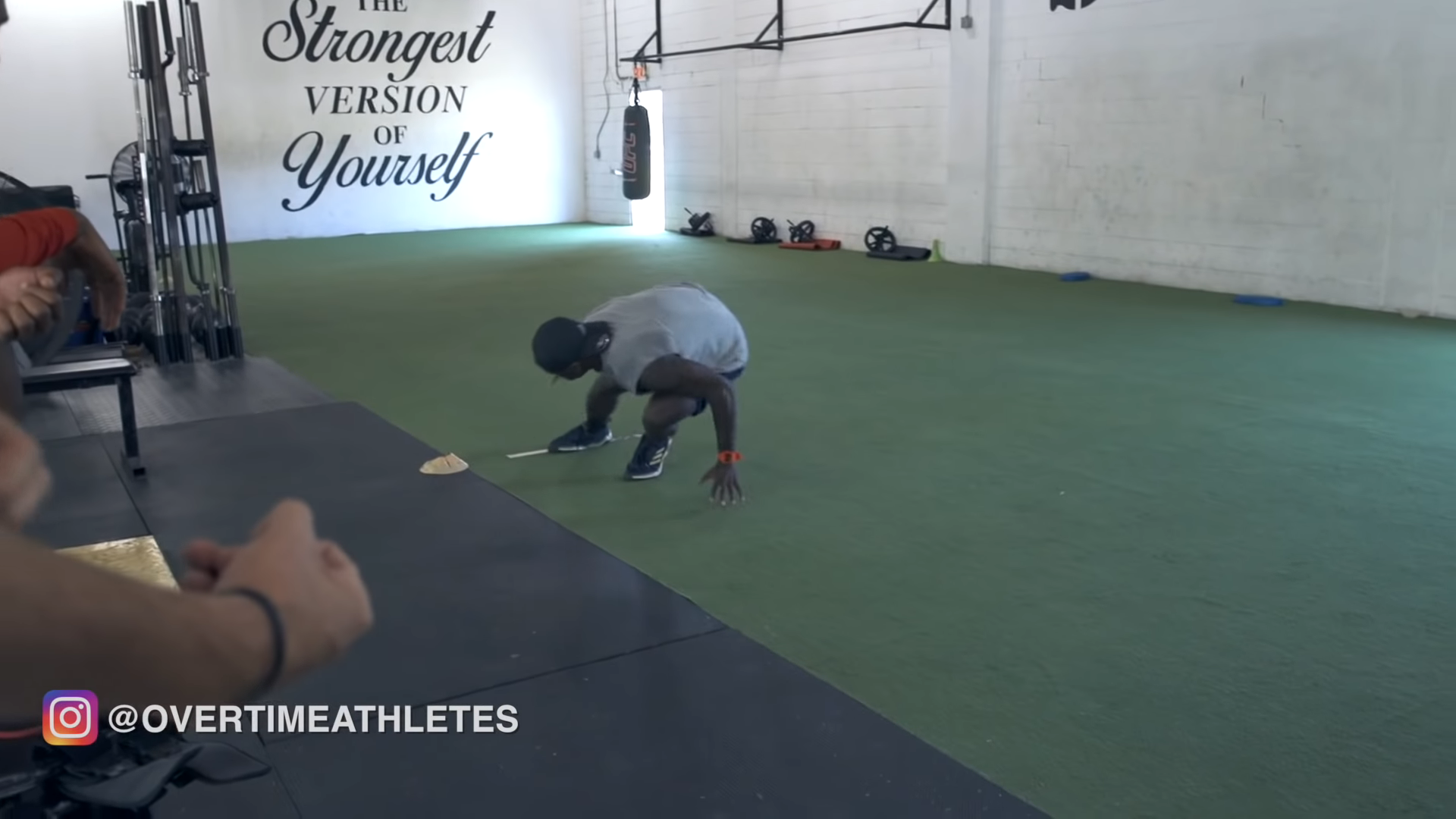
The majority of non-contact injuries don’t happen while sprinting at top speed.
They happen when an athlete is trying to slow down, plant, cut, or absorb force.
Every time you decelerate, your body has to absorb forces that can be several times your bodyweight. Your muscles, tendons, and joints become the brakes that control those forces.
If your body isn’t strong enough to absorb that load efficiently, something has to give.
Poor deceleration mechanics and insufficient eccentric strength can increase stress on the knees, ankles, hips, and hamstrings during high-speed movements. Over time, repeatedly asking the body to absorb forces it isn’t prepared for may increase the risk of many common non-contact lower-body injuries.
That’s why injury prevention isn’t just about getting stronger.
It’s about becoming stronger in the positions where injuries often occur.
Eccentric Strength: The Foundation of Great Deceleration
One of the biggest physical qualities behind elite deceleration is eccentric strength.
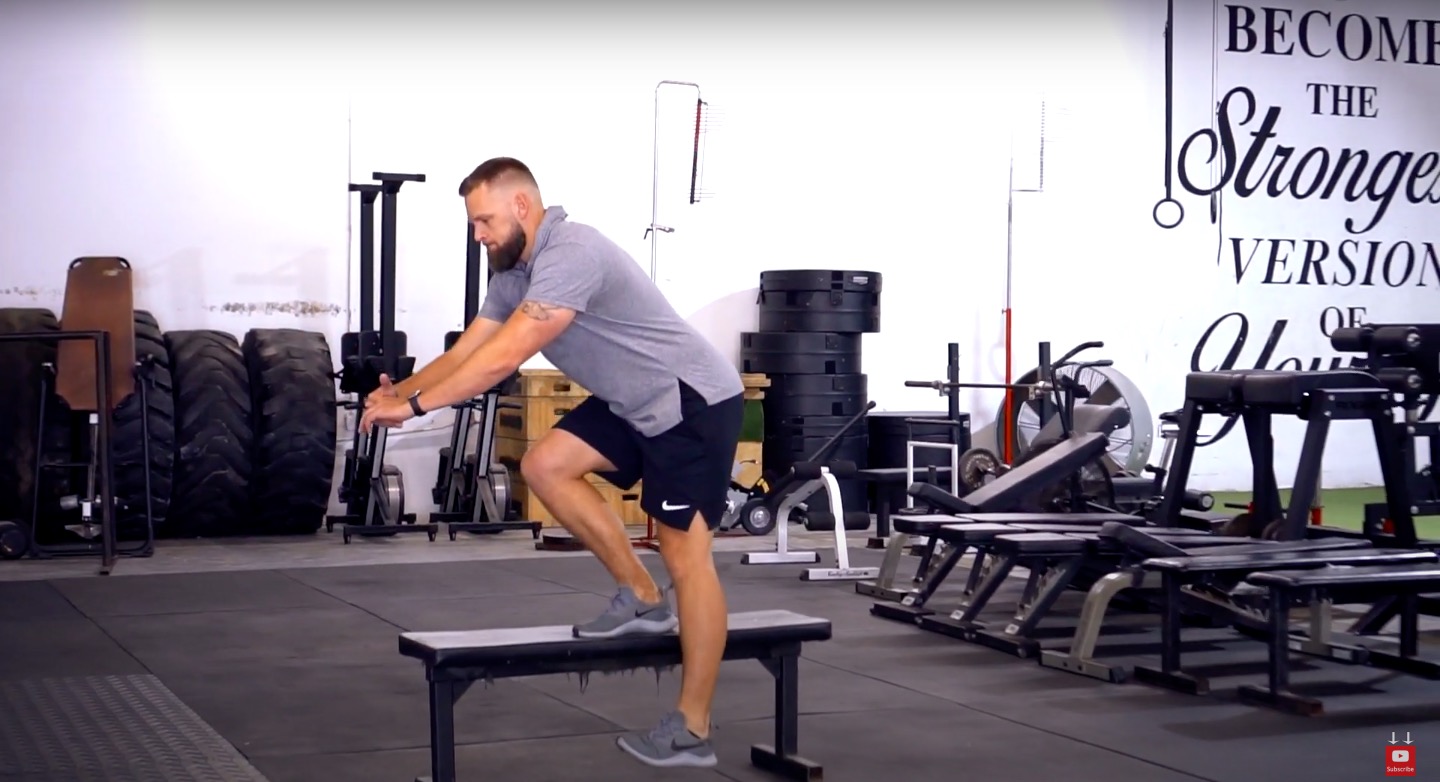
Simply put, eccentric strength is your body’s ability to control force while muscles are lengthening.
Think about lowering into a squat.
Landing from a jump.
Stopping after a sprint.
Planting your foot before changing direction.
Those aren’t just strength movements.
They’re braking movements.
Athletes with great eccentric strength don’t collapse when they hit the ground.
They stay stable.
They maintain posture.
They control their center of mass.
Then they explode back out.
That’s what separates elite movers from average athletes.
Instead of leaking energy every time they stop, they absorb force efficiently and immediately redirect it into their next movement.
Better Brakes Create Better Speed
It sounds backwards, but becoming better at slowing down can actually make you faster.
Why?
Because every change of direction starts with deceleration.
If you can’t control your momentum, you’ll need extra steps to stop before you can reaccelerate.
Those extra steps cost time.
Athletes with elite braking ability can hit a hard plant, keep their hips underneath them, maintain balance, and immediately drive into their next movement.
That means faster cuts.
Quicker reactions.
More separation from defenders.
Better pursuit angles.
More efficient movement on the field or court.
The faster you can stop, the faster you can go again.
That’s real game speed.
Deceleration Must Be Trained
Unfortunately, many athletes never actually train deceleration.
They perform sprint after sprint.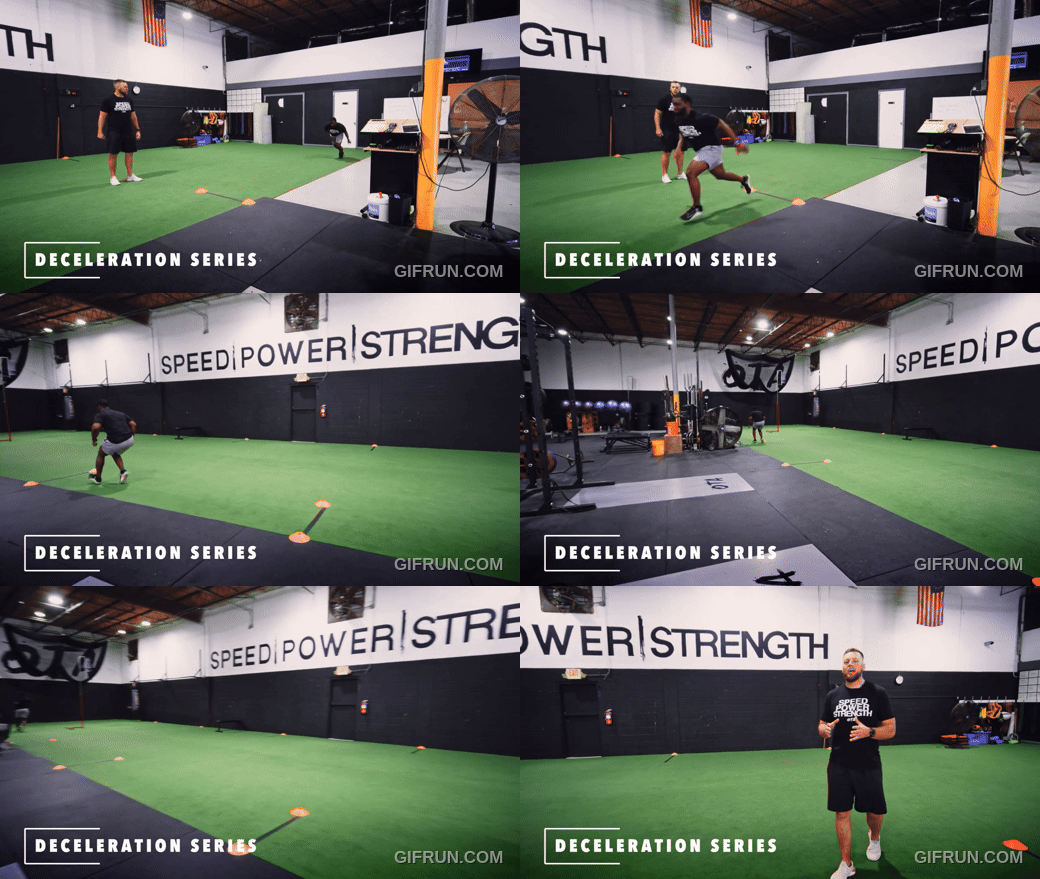
Run countless agility drills.
Lift heavy weights.
Do conditioning.
But no one teaches them how to absorb force.
No one teaches them how to lower their center of mass before cutting.
Or teaches proper shin angles, body positioning, foot placement, or braking mechanics.
Even worse, many athletes perform cone drills without ever improving the qualities that make those drills effective.
Great deceleration isn’t developed by simply running through cones.
It’s developed through progressive training that builds eccentric strength, improves force absorption, teaches proper movement mechanics, and gradually exposes athletes to higher braking demands.
A complete speed program should include exercises such as controlled landing progressions, deceleration drills, eccentric strength training, reactive stopping drills, and change-of-direction work that transfers directly to sport.
When athletes consistently train these qualities, they don’t just become safer.
They become more explosive in every direction.
Final Thoughts
If your goal is to become faster on the field, don’t just train your engine.
Train your brakes.
The athletes who dominate competition aren’t always the ones with the fastest 40-yard dash. They’re the athletes who can accelerate, stop under control, change direction instantly, and explode again without wasting movement.
Deceleration is the hidden skill behind elite agility, quicker reactions, better movement efficiency, and improved resilience throughout a long season.
Ignoring it leaves performance on the table.
Training it unlocks another level of athleticism.
If you’re serious about improving your game speed, it’s time to stop guessing and start training the qualities that actually transfer to competition.
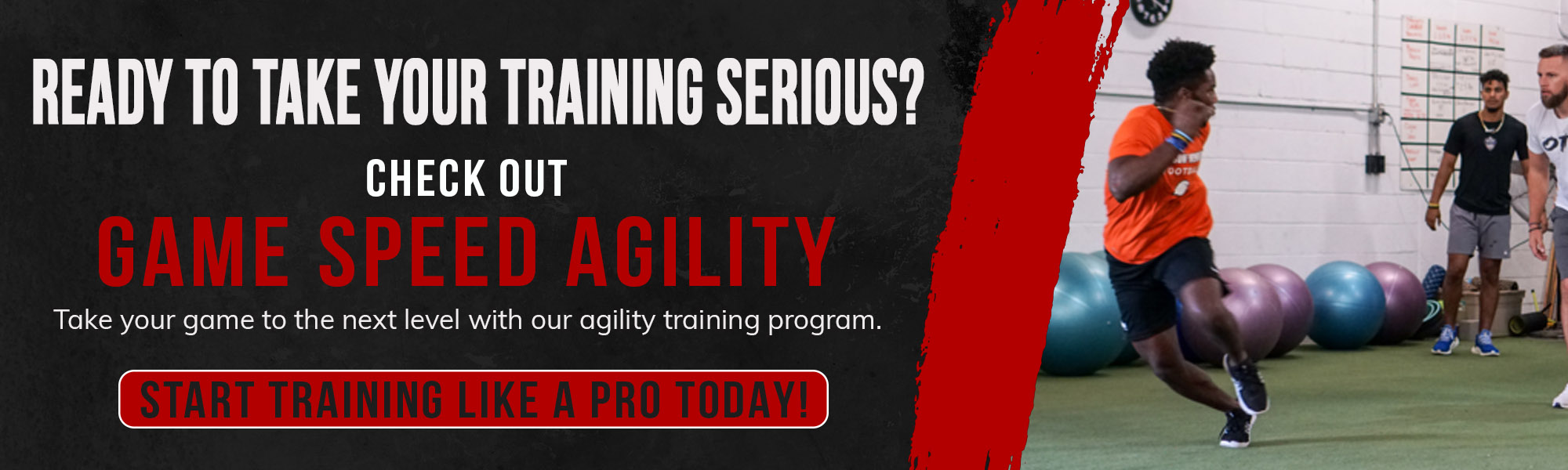
Our Game Speed Agility Program is built to help athletes develop elite deceleration mechanics, improve eccentric strength, absorb force efficiently, and master the ability to stop, cut, and explode in any direction.
Start your Game Speed Agility training today and build the movement skills that separate good athletes from elite ones.
