

Youth Athlete Performance Testing: Should You Test Young Athletes?
When most people hear the words performance testing, they picture the NFL Combine. Forty-yard dashes. Vertical jumps. Massive weight on the bar. Endless testing stations with clipboards and stopwatches.
But here’s the truth.
A youth athlete doesn’t need a full combine to benefit from performance testing.
In fact, trying to copy what college and professional athletes do often misses the point entirely.
We believe performance testing should be simple, repeatable, and motivating. The goal isn’t to label an 11-year-old as gifted or untalented. The goal is to establish a starting point, measure progress, and keep young athletes excited about training.
If you’re coaching youth athletes or you’re a parent investing in your child’s athletic future, performance testing isn’t something to avoid. It just needs to be done the right way.
The Debate Around Testing Youth Athletes
Some coaches believe there’s no reason to track a youth athlete’s numbers.
Their argument is understandable.
Young athletes are still learning how to move, developing coordination, and building consistency. They need to learn discipline, proper technique, and how to train before worrying about performance metrics.
There’s truth to that.
A 10 or 12-year-old doesn’t need to obsess over every tenth of a second on a sprint or compare every jump to someone else’s. But that doesn’t mean performance testing has no place.
Performance testing gives purpose to training. Without objective measurements, how do you know if the program is actually working?
You can say an athlete “looks faster” or “seems stronger,” but numbers don’t guess.
They tell the story.
Start Simple
One of the biggest mistakes coaches make is trying to test everything.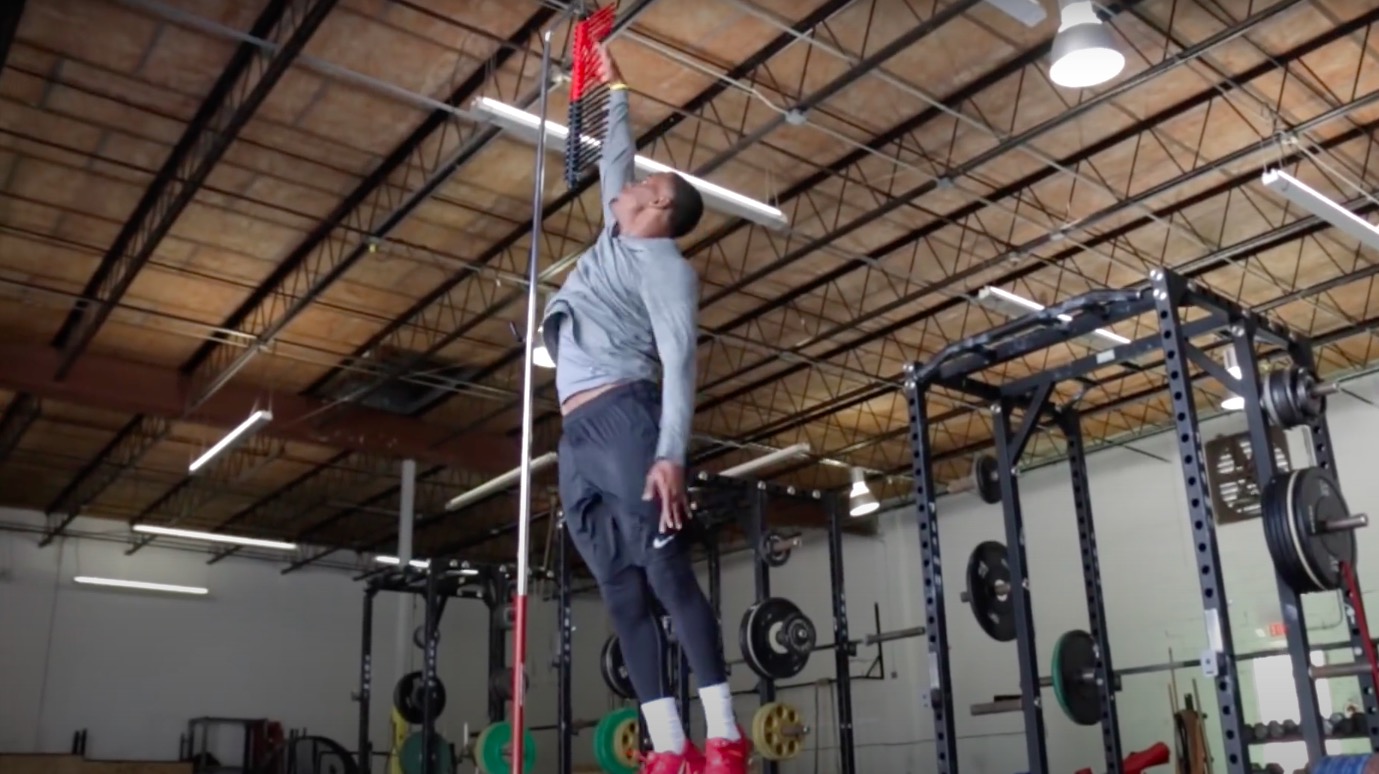
You don’t need twenty different assessments or expensive technology.
And you certainly don’t need to overwhelm a youth athlete with data.
Instead, focus on a few foundational tests that are easy to perform and easy to repeat.
Some of our favorite tests include:
- Vertical Jump
- Standing Broad Jump
- Pro Shuttle (5-10-5)
- 10-yard Sprint (when appropriate)
These tests measure qualities that matter across nearly every sport.
Explosiveness.
Acceleration.
Change of direction.
Lower-body power.
They’re also simple enough that young athletes can understand what they’re measuring and get excited about improving them.
Progress Is the Greatest Motivator
One of the biggest benefits of testing isn’t for the coach. It’s for the athlete.
Kids love seeing improvement.
Imagine a young athlete who jumps 17 inches on their first vertical test.
After eight weeks of training, they jump 19 inches.
That two-inch improvement suddenly validates every workout, every sprint, every jump, and every strength session they’ve completed.
Now training has meaning. They’re not just exercising, but improving.
This creates buy-in.
It teaches young athletes that hard work produces measurable results.
That’s an incredibly valuable lesson that extends far beyond sports.
Performance Testing Creates Healthy Competition
Youth athletes naturally enjoy competition.
Testing provides another opportunity to compete—not just against teammates, but against themselves.
Every new personal record becomes another challenge.
Can I jump higher? Run faster? Improve my shuttle time?
Instead of comparing themselves only to others, they begin chasing their own best performances.
That mindset builds confidence.
It teaches athletes that success comes from consistent improvement rather than instant perfection.
What About Strength Testing?
This is where coaches tend to disagree the most.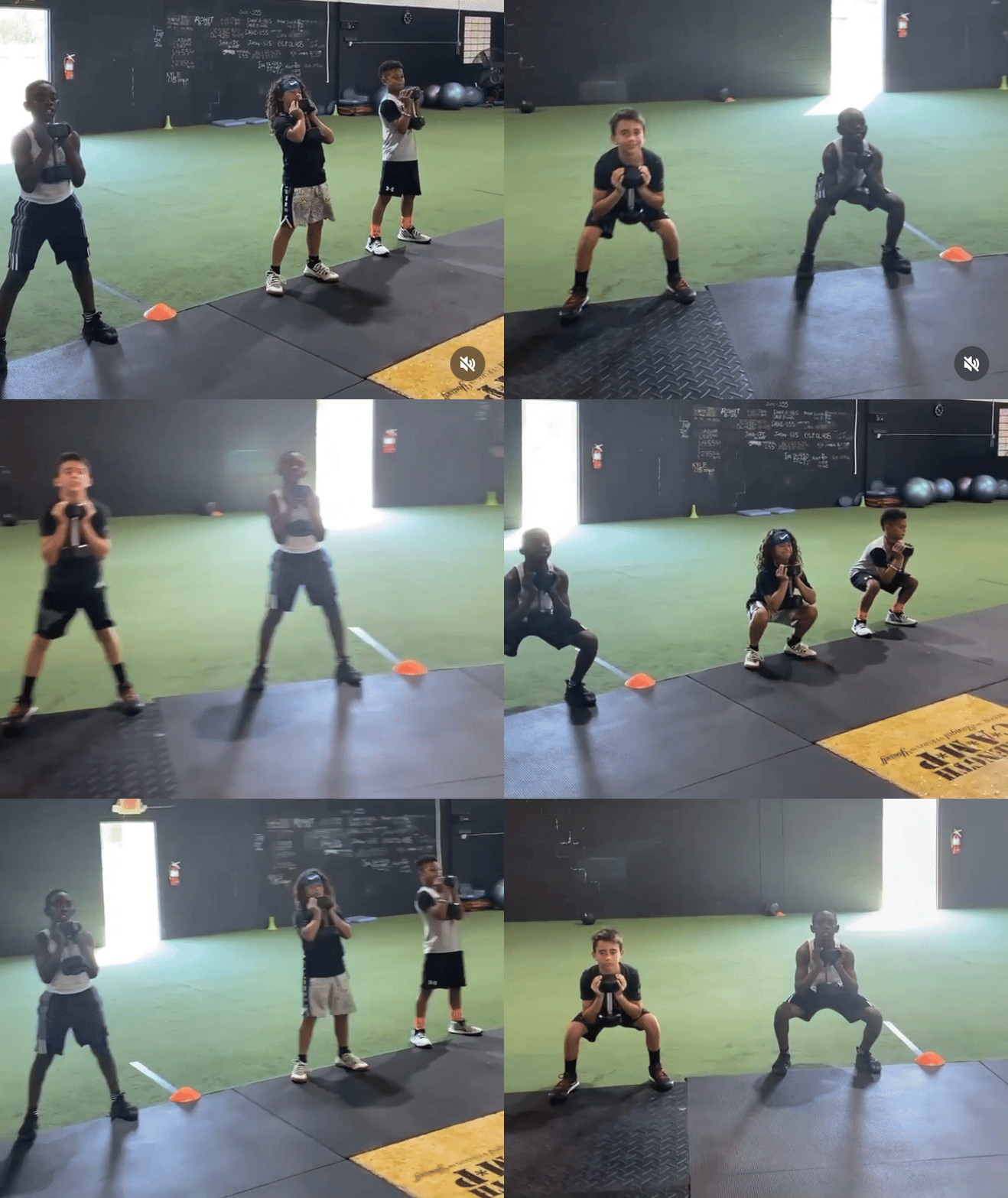
Some believe resistance testing should never be done with young athletes.
Others jump straight into one-rep max testing.
We don’t agree with either extreme.
At Overtime Athletes, we absolutely believe youth athletes should be strength training.
The research has been clear for years.
Properly supervised resistance training improves strength, power, movement quality, injury resilience, and athletic performance in children and adolescents.
The key words are properly supervised.
That doesn’t mean loading up a heavy barbell and asking a middle school athlete to max out.
Instead, we prefer testing movements that prioritize excellent technique while still giving us measurable progress.
Some examples include:
- 3-5 Rep Max Goblet Squat
- 3-5 Rep Max Trap Bar Deadlift
- Push-up repetitions
- Chin-up progressions
Notice the emphasis isn’t on finding the absolute heaviest weight possible. It’s about demonstrating strength through clean, technically sound repetitions. If technique breaks down, the test is over.
Quality always beats quantity.
Technique Comes Before Numbers
Performance testing should never encourage poor movement.
If a young athlete sacrifices mechanics just to chase a bigger number, the test has failed.
That’s why coaching matters.
A coach should constantly reinforce:
- Proper squat depth
- Neutral spine
- Controlled movement
- Full range of motion
- Safe lifting habits
Teaching quality movement patterns at a young age builds a foundation that allows athletes to safely develop strength for years to come.
Test Less, Train More
Another mistake is testing too often. Testing should support training—not replace it.
Most youth athletes don’t need weekly testing sessions.
Instead, establish baseline numbers at the beginning of a training cycle.
Spend several weeks developing athletic qualities.
Then retest.
Watching the numbers improve every six to twelve weeks is far more meaningful than constantly chasing tiny weekly improvements.
Remember, the goal isn’t collecting data.
The goal is developing better athletes.
Final Thoughts
Should you performance test youth athletes?
Absolutely.
Just don’t overcomplicate it.
Young athletes don’t need a professional combine or an advanced sports science lab to benefit from testing. Start with simple measurements like the vertical jump, broad jump, and pro shuttle. Introduce basic strength assessments using movements like goblet squats and trap bar deadlifts with 3-5 rep maxes, always emphasizing perfect technique over maximum weight.
Performance testing gives athletes proof that their hard work is paying off. It builds confidence, increases motivation, creates healthy competition, and helps coaches make smarter programming decisions.
Most importantly, it teaches young athletes one of the greatest lessons in sports:
Consistent work leads to measurable improvement.
That’s a lesson they’ll carry long after their playing days are over.
If you’re looking for a proven system that develops speed, strength, power, and confidence while tracking meaningful progress every step of the way, check out the OTA Youth Performance Program. If you’re ready to help your child move better, get stronger, and reach their athletic potential, join the Overtime Athletes family today.
