
.
How to Build Muscle Mass for Athletes Without Sacrificing Performance
In almost every sport—especially football—athletes want to get bigger. Coaches want it. Parents want it. Athletes feel the pressure every offseason to add size as fast as possible.
And that’s where things can go wrong.
Too often, athletes rush the process of building muscle mass and end up doing the exact opposite of what they intended. Instead of becoming stronger, faster, and more explosive, they get bigger but slower, stiffer, and less athletic. They gain weight, but their performance drops. Their speed numbers decline, vertical jump stalls or falls, and agility suffers.
The problem isn’t that size doesn’t matter. Size absolutely matters, especially in a sport like football. Increasing muscle mass and size can increase durability and force potential.
The problem is how that size is gained.
There is a massive difference between gaining muscle mass and building athletic muscle mass. Understanding that difference is the key to building muscle mass for athletes without sacrificing performance.
The Problem: Rushing to Get Bigger at All Costs
One of the most common mistakes we see with athletes is chasing the scale instead of chasing performance.
An athlete adds 15–25 pounds in a short offseason and everyone celebrates… until the season starts.
Suddenly:
- Their first step is slower
- Their top-end speed is down
- They fatigue faster
- Their change of direction looks clunky
- Their explosiveness is gone
This happens because the athlete didn’t build muscle mass for athletes—they just gained mass.
Bulking without a performance plan leads to:
- Excess body fat
- Non-functional muscle
- Poor power-to-weight ratio
- Nervous system fatigue
- Loss of relative strength
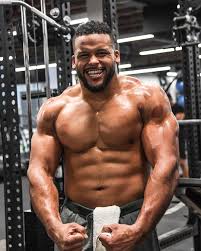
In football, added size can be a weapon—but only if the athlete can move that mass violently and efficiently. Otherwise, it becomes a liability. Look at guys like Myles Garrett, Aaron Donald, or JJ Watt. They’re all between 280 to nearly 300 lbs but are completely solid muscle yet still inhumanly explosive and agile.

Muscle Mass vs. Athletic Muscle Mass: The Critical Difference
Let’s get this clear.
Muscle mass simply means body weight went up.
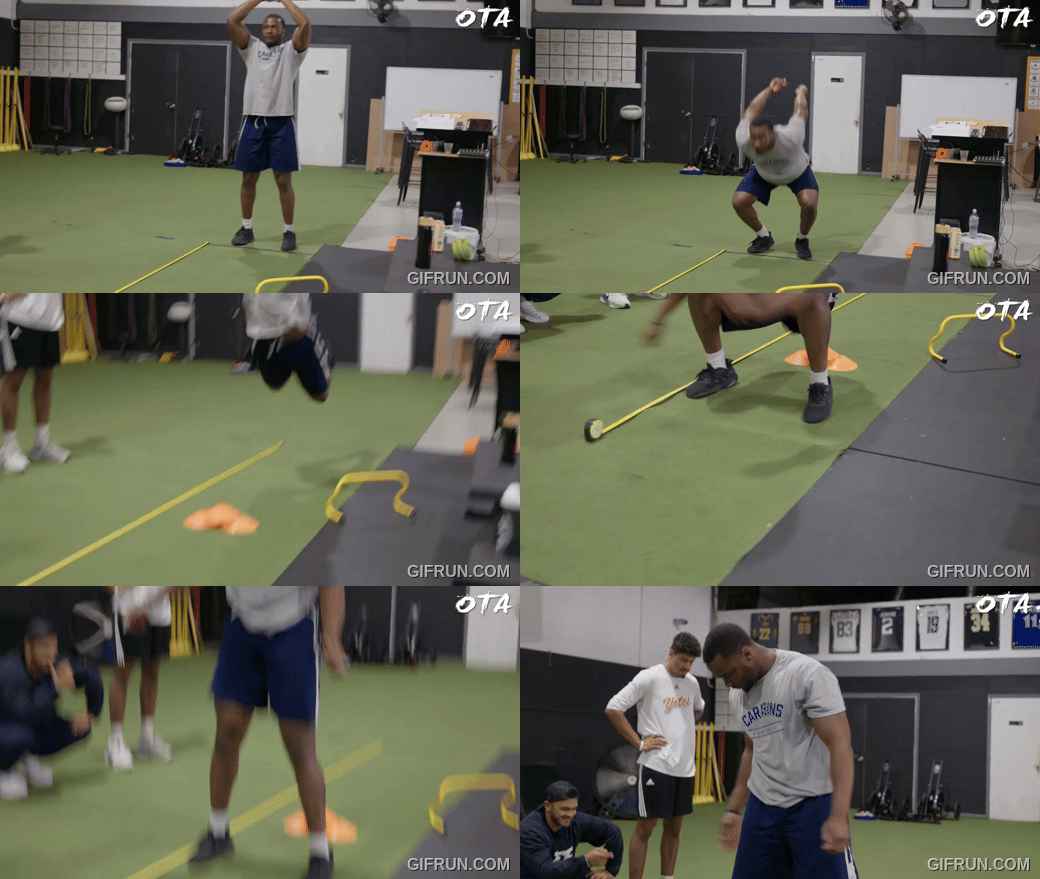
Athletic muscle mass means performance went up with body weight.
Athletic muscle mass:
- Improves force production
- Enhances speed and power
- Maintains or improves mobility
- Raises durability and resilience
- Improves performance on the field
Non-athletic mass:
- Slows sprint speed
- Reduces jump output
- Increases ground contact time
- Hurts agility
- Makes athletes gas out faster
The scale doesn’t tell the full story. Performance does.
That’s why when we talk about building muscle mass for athletes, the question isn’t “How much weight did you gain?”
It’s “What happened to your speed, power, and explosiveness?”
We once had a kid training with us online who was a preferred walk on to play football at Temple University. For over a year we worked with him to increase his max strength and his overall speed. His numbers looked good. Then suddenly about 3 months before camp, his test numbers all took a nosedive.
On a call, his dad admitted he’d been making him gain weight without telling us for several months. Even so far as getting him up at 4 am to drink a mass shake! So he’d gained a ton of mass but lost nearly all his athleticism. So for the 3 months before camp we scrambled to manage his weight and get some of his athleticism back so he showed up to camp at his best.
Many such stories.
The Gold Standard: Bigger AND More Explosive
One of the best trends we can see with an athlete is this: their bodyweight increases, but their vertical and speed numbers all improve.
When that happens, we know the athlete didn’t just gain weight—they gained athletic muscle mass.
This tells us:
- The nervous system adapted properly
- Strength gains transferred to power
- The athlete improved their force-to-bodyweight ratio
- The mass gained is functional and usable
On the flip side, if an athlete gains a lot of weight their jump numbers drop and speed time take a nosedive.
That’s a red flag. That athlete didn’t build muscle mass for athletes—they just bulked up with bad weight.
Why Football Players Are Especially at Risk
Football culture glorifies size. Linemen want to be heavier. Skill players want to look more “built.” Recruiting and depth charts often reward size on paper.
The problem is that football is still a speed and power sport.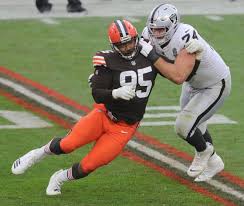
Every position:
- Accelerates
- Decelerates
- Changes direction
- Produces explosive force
If added mass isn’t matched with:
- Higher strength levels
- Increased rate of force development
- Improved elastic power
Then performance drops.
Bigger doesn’t automatically mean better. Better means better.
The Performance Rule of Mass Gain
Here’s a simple rule we live by:
Every increase in bodyweight should be matched—or exceeded—by increases in strength, speed, and power.
If mass goes up but performance goes down, the process failed.
This is why proper programming matters when building muscle mass for athletes.
Athletes need:
- Heavy strength work to raise force output
- Explosive training to convert strength into power
- Sprinting and jumping to maintain speed qualities
- Mobility work to protect movement quality
Training to Build Athletic Muscle Mass
Athletes should not train like bodybuilders.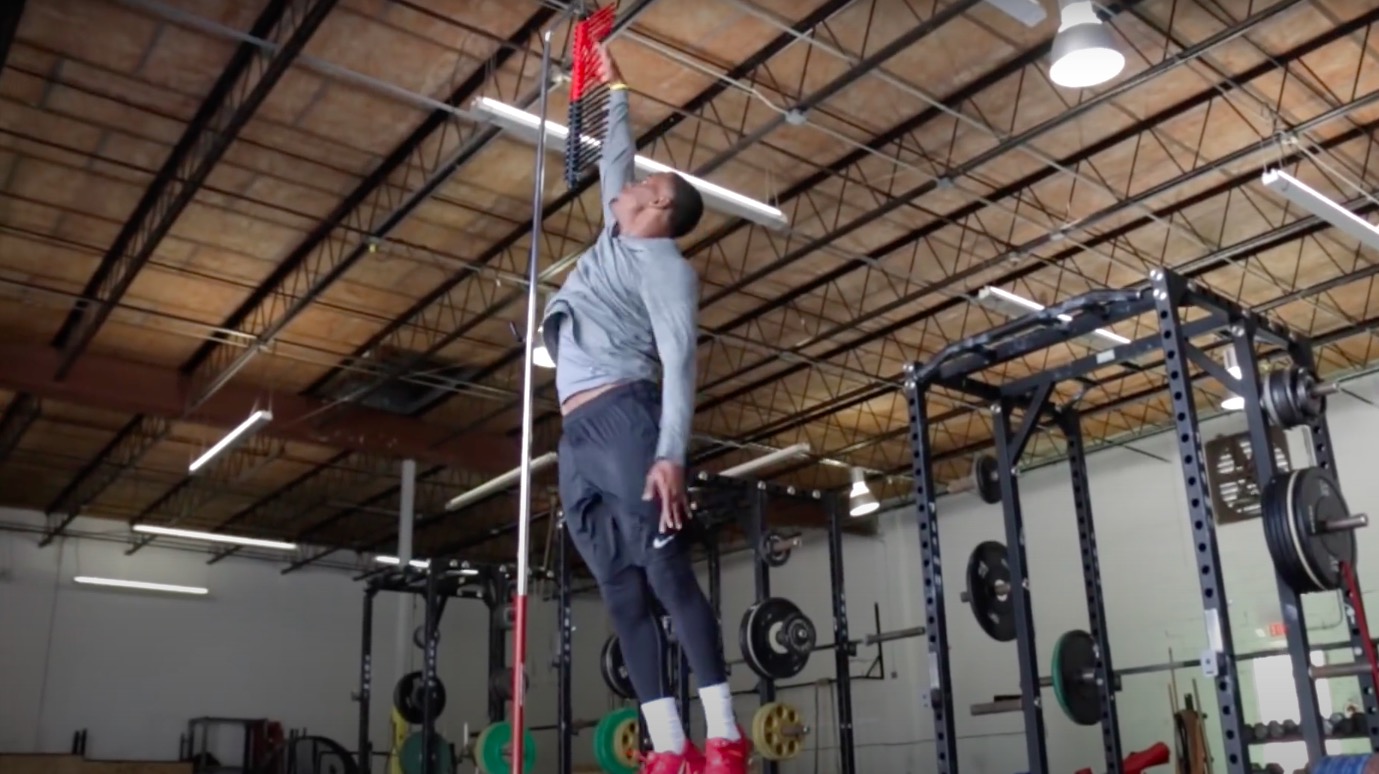
Athletic mass programs prioritize:
- Force production
- High-quality reps
- Explosive intent
- Full-body movement patterns
Key principles:
- Compound lifts (squats, hinges, presses, pulls)
- Low-to-moderate rep ranges for strength
- Paired explosive movements (jumps, throws, sprints)
- Controlled volume to avoid excessive fatigue
This is how muscle mass for athletes is built. See our previous article for more on the best methods for helping athletes gain mass.
Speed and Power Must Rise With Size
One of the biggest mistakes athletes make is cutting back on speed and power work once they start “bulking.”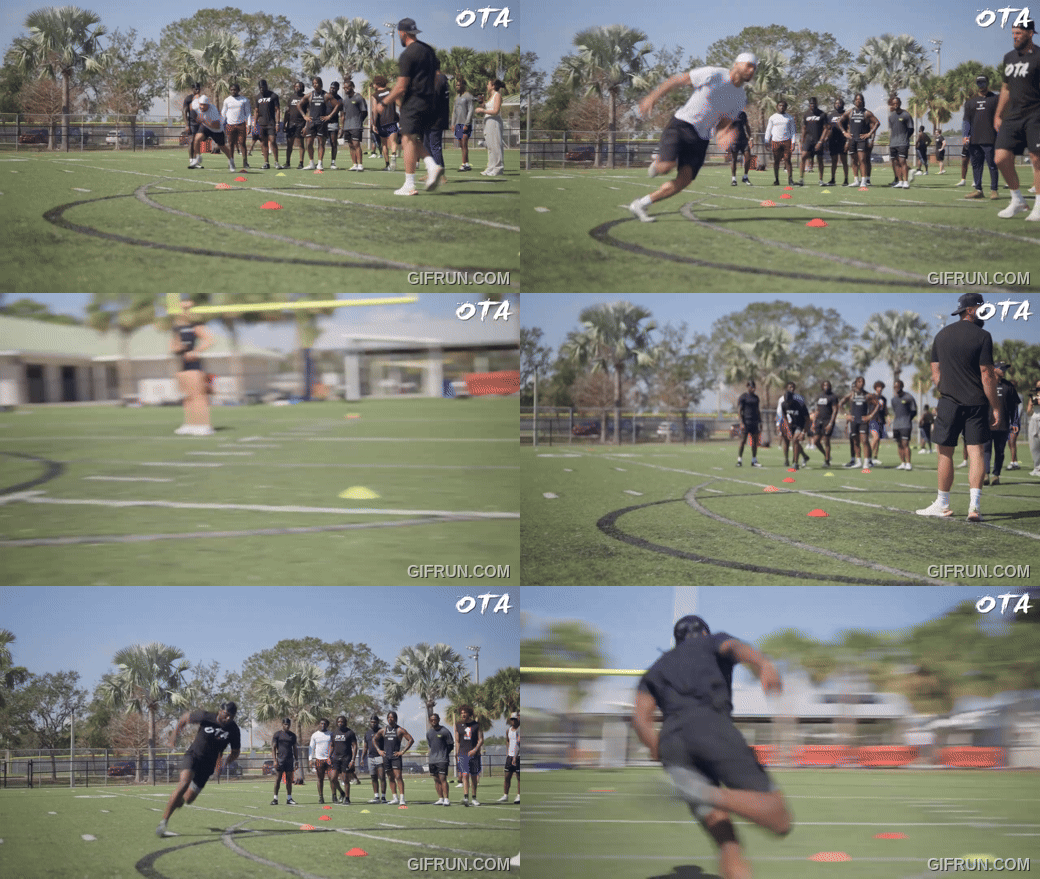
That’s backwards.
Speed and power work:
- Teach the body how to use new mass
- Preserve fast-twitch muscle function
- Improve stiffness and elastic output
- Keep athletes explosive
If speed work disappears during mass gain, the athlete loses the ability to express that new strength.
Thats why we monitor their jump and speed metrics to tell us whether the mass gained is athletic or dead weight. Check out our article on the key metrics for elite vertical power.
Nutrition: You Do Have to Eat More (And Be Consistent)
This should be common sense, but it’s where most athletes still fall short.
Athletes swear they “eat a ton.”
Then we look closer.
They eat a lot sometimes.
Building muscle mass for athletes requires:
- A consistent calorie surplus
- Daily protein intake high enough to support growth
- Adequate carbs to fuel training
- Enough total food every single day
Not:
- Big eating days followed by low intake days
- Skipping meals
- Guessing protein intake
Protein matters. A lot.
Most athletes are severely under-consuming protein relative to their training demands. Muscle doesn’t grow on effort alone—it grows on recovery and fuel.
The same mistake happens the opposite way for weight loss, where a person sticks to their diet during the week but they binge on the weekend. Doesn’t work that way.
Consistency beats extremes every time.
See our article on the guidelines for post-workout protein.
Mass Gain Is a Delicate Game
Putting on size isn’t just about lifting heavier and eating more. It’s a delicate balance.
Too fast and performance drops and movement quality suffers. Too slow and there’s no meaningful adaptation.
The goal is controlled, intelligent mass gain where:
- Strength rises
- Power rises
- Speed is maintained or improved
That’s how muscle mass for athletes should be built.
Conclusion: Bigger Is Only Better If Performance Improves
Size can absolutely help an athlete—especially in football.
But size gained the wrong way hurts more than it helps.
The difference between a better athlete and a slower one isn’t the scale—it’s how the mass was built.
Athletic muscle mass improves performance and makes athletes more dangerous on gameday. Bad mass slows athletes down and makes them less explosive.
If you want to get bigger the right way, performance must always come first.
If you’re serious about building muscle mass for athletes—not just weight—we’ve built a system around it called the Athletic Mass Program. Click the image below!!!
Get bigger. Faster. More explosive.


1 Response to "How to Build Muscle Mass for Athletes Without Sacrificing Performance"
The article makes a strong case for prioritizing performance over sheer size when building muscle mass for athletes, emphasizing the importance of maintaining speed and power. I’d like to better understand how to balance these factors—could you elaborate on how to structure training and nutrition to ensure gains in muscle mass directly support athletic performance? For example, how can athletes effectively use data to track progress and avoid the pitfalls of gaining “dead weight”? More insights on this can be found in the guide on how to build athletic muscle.