Youth Sports: 2 Things That Hurt Athlete’s Futures
In youth sports today, there’s a lot of pressure on young athletes to perform, get noticed, and reach the next level as quickly as possible. Parents scroll through YouTube highlight reels, sign their kids up for travel teams, and push for year-round leagues, all with the hope of creating the next elite athlete. Coaches promise exposure, tournaments, and advanced training programs, and everyone wants to believe that more is better. But here’s the problem: this approach often doesn’t work.
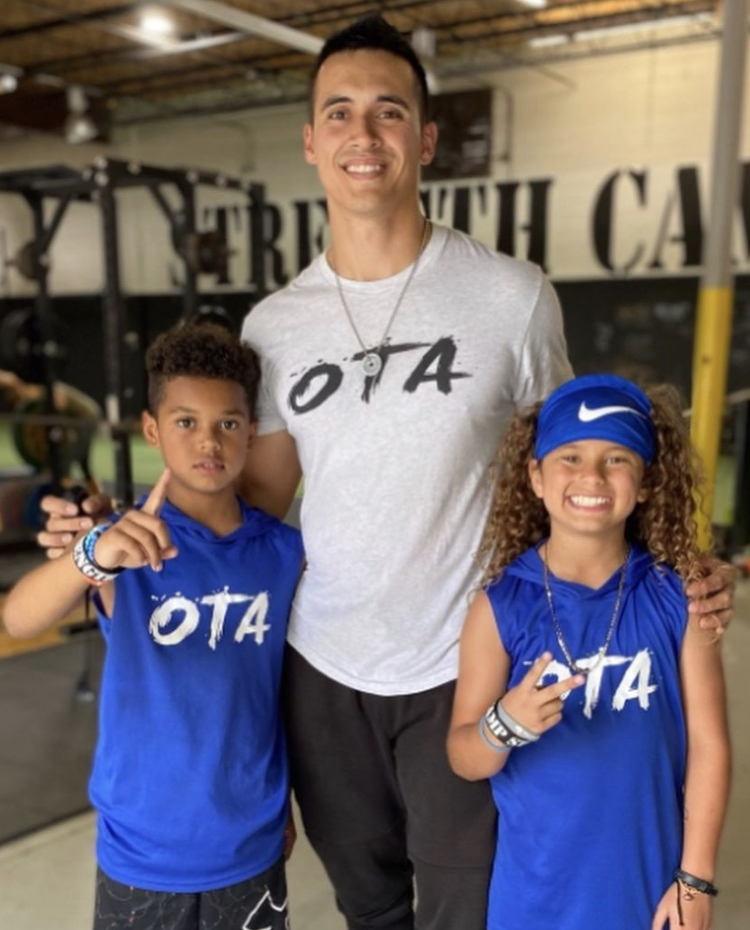
As a performance coach with years of experience working with athletes at every level in nearly every sport, I’ve seen it time and time again. Kids with incredible natural talent get stuck, injured, or fall behind physically because of two key mistakes: early specialization and year-round sports. These practices might seem like the fast track to success, but the reality is they often limit athletic development, increase injury risk, and shorten the potential of young athletes.
Parents need to understand something crucial: playing more of the same sport or traveling constantly does not automatically make your child elite. In fact, kids who reach the highest levels often take a very different path. They play multiple sports, challenge their bodies in different ways, and dedicate serious time to performance training. The difference between those kids and the ones who burn out early is strategic athletic development.
Please also make sure to see my last article on the keys to youth athlete development!
Early Specialization: Why Doing More Isn’t Better
Early specialization happens when a child focuses exclusively on one sport from a young age. The idea seems logical: the more hours they put in, the better they’ll get. Parents often think they’re giving their child an advantage by honing a single skill set. But in reality, early specialization can hurt more than it helps.
Some of the major issues include:
- Repetitive stress injuries: Overuse of the same muscles and joints increases the likelihood of long-term injuries.
- Limited movement development: Playing one sport restricts exposure to diverse movement patterns that improve balance, agility, and coordination.
- Early burnout: Kids can lose their love of the sport because it becomes all pressure, all the time.
- Stalled athletic growth: Physical development like strength, speed, and overall durability is often neglected.
A real example from my experience:
I coached a young football phenom who was playing football and 7-on-7 year-round. His highlight reels were all over social media, and everyone thought he had a big future. But he never committed to a structured performance program—no strength training, no speed development, no injury prevention work.
His body wasn’t prepared for the demands of high-level football. Fast forward, and he’s already suffered multiple knee injuries, and his high school future is uncertain. Talent alone isn’t enough. Without the right physical foundation, early specialization can actually derail a promising athletic career.
Year-Round Sports: The Exposure Trap
The second major issue is year-round sport, which has become the norm in baseball, basketball, soccer, and other youth sports. Parents and coaches push kids to compete constantly, believing that more exposure equals better opportunities. While exposure can be helpful, year-round competition often comes at a cost:
- No time for physical development: Kids are too busy competing to focus on strength, speed, and mobility.
- Higher injury risk: Continuous play without recovery increases overuse injuries.
- Falling behind peers: Athletes who balance multiple sports and structured performance training gain an edge that year-round players miss.
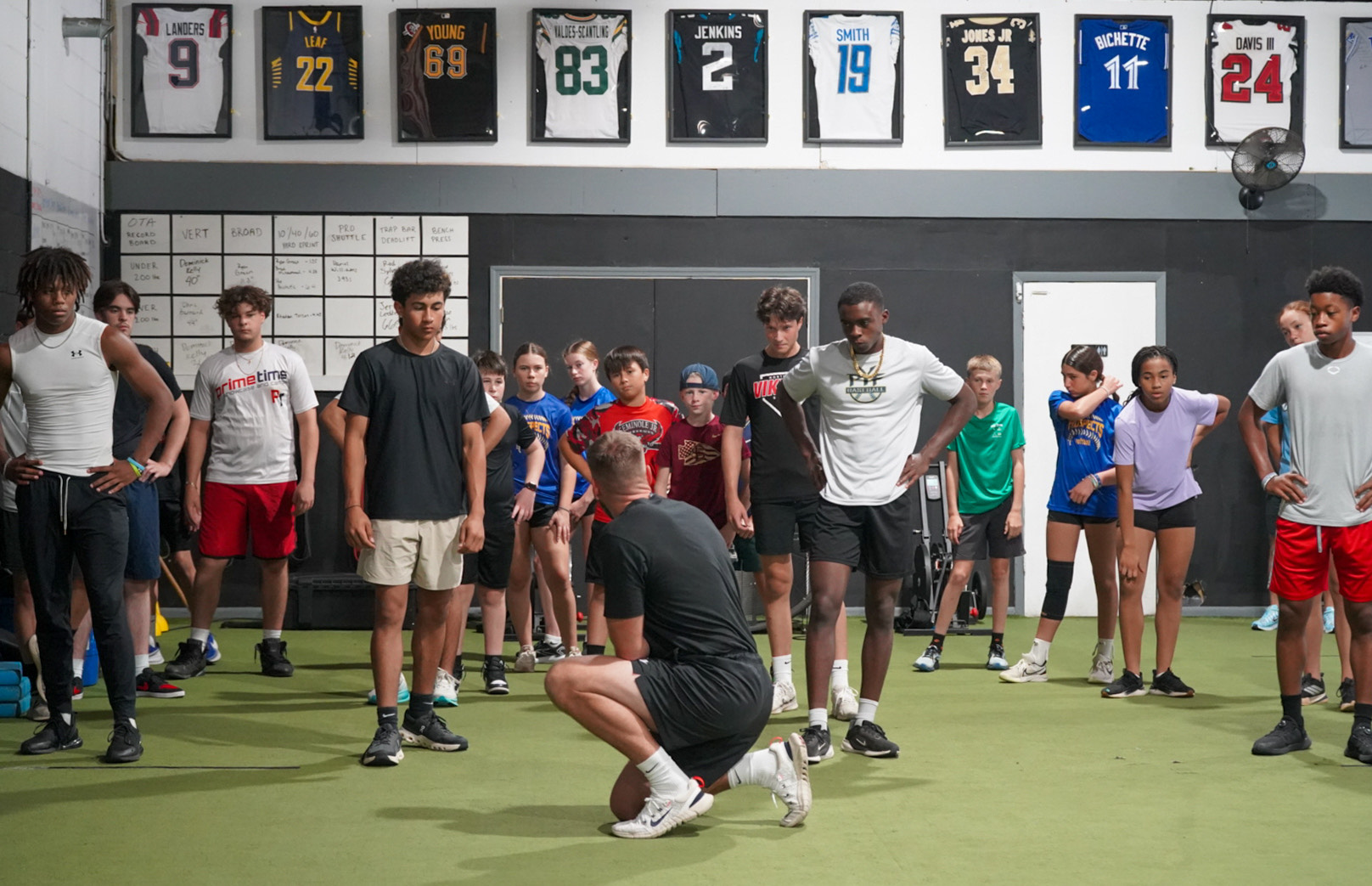

Here’s another example from my experience:
Saw this with two brothers who only ever played baseball. Their dad never prioritized performance training out of fear of “overtraining”, but finally decided they needed to their senior year. By this point though, it was way too late. They were already physically behind other athletes who had spent years developing strength, speed, and overall athleticism.
While their baseball skills were decent, their bodies weren’t ready for higher-level competition. One off-season could not undo years of neglect, and their chances at college-level opportunities were pretty much zero.
What Truly Builds Elite Athletes
The reality is that kids who reach elite levels aren’t just playing one sport year-round. They’re building complete athleticism through:
- Playing multiple sports: Developing a range of skills and movement patterns.
- Structured performance training: Strength, power, speed, agility, and plyometrics.
- Long-term development planning: Understanding that building their body is just as important as building skill.
Athletes who grow to become elite understand that athleticism is a foundation, not an afterthought. A technically skilled athlete who lacks strength, mobility, or durability will hit a ceiling quickly. Conversely, athletes who prioritize physical development early have the ability to perform, recover, and adapt, giving them an advantage that carries into high school, college, and beyond.
How Parents Can Make the Right Decisions
If you’re serious about your child’s athletic future, here’s what parents need to focus on:
- Encourage multiple sports: Exposure to different movements improves coordination and athleticism.
- Prioritize performance training: Strength, speed, agility, and injury prevention should be part of their weekly routine.
- Balance competition with development: Playing all year long isn’t the same as getting better physically and mentally.
- Think long-term: Avoid pushing for immediate exposure at the expense of growth and durability.
Without these priorities, many young athletes peak too early, sometimes before even entering high school, and their potential is limited before they’ve had a real chance to succeed.
Final Thoughts: Invest in True Athletic Development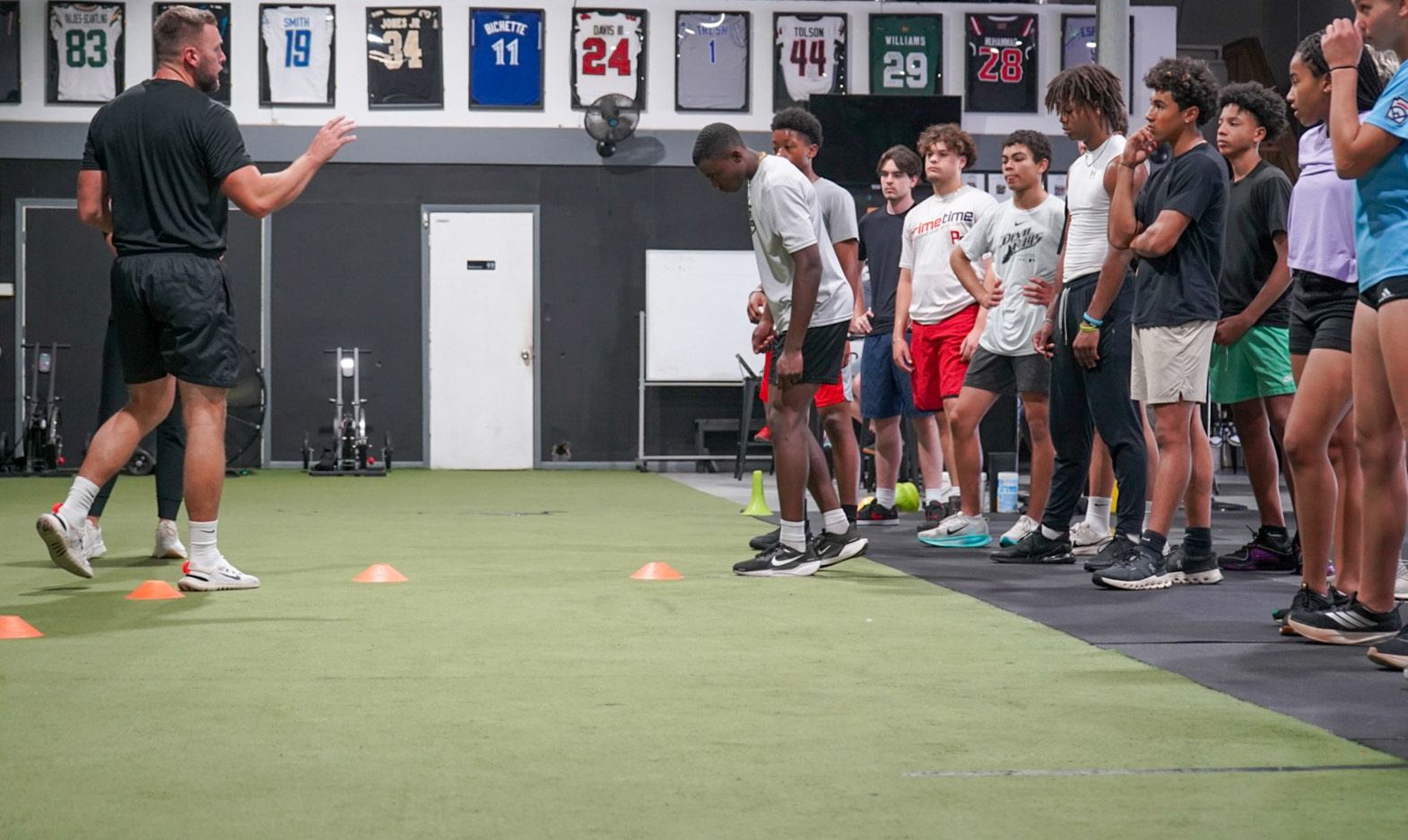

Talent alone won’t carry a young athlete to the next level. Early specialization and year-round play may feel like the path to success, but they often do the opposite. Exposure is important, but not at the cost of proper athletic development. Kids need variety, structured training, and guidance to grow into well-rounded, durable athletes.
Our Youth Performance Program is designed to develop complete athletes—not just skilled players. Our program focuses on:
- Strength and power development
- Speed, agility, and plyometrics
- Long-term performance and progressing by age
Don’t let your child fall behind because of early specialization or constant year-round play. Give them the tools to excel in youth sports and build a foundation for long-term success. The athletes who prepare their bodies properly now are the ones who will thrive tomorrow.