
The Best Med Ball Exercises for Golf Swing Power and Driving Distance
When most golfers think about increasing driving distance, they immediately think about swing mechanics. And while technique matters, one of the biggest missing pieces for most golfers is the ability to actually produce force and transfer power efficiently through the body.
That’s where rotational power training comes in.
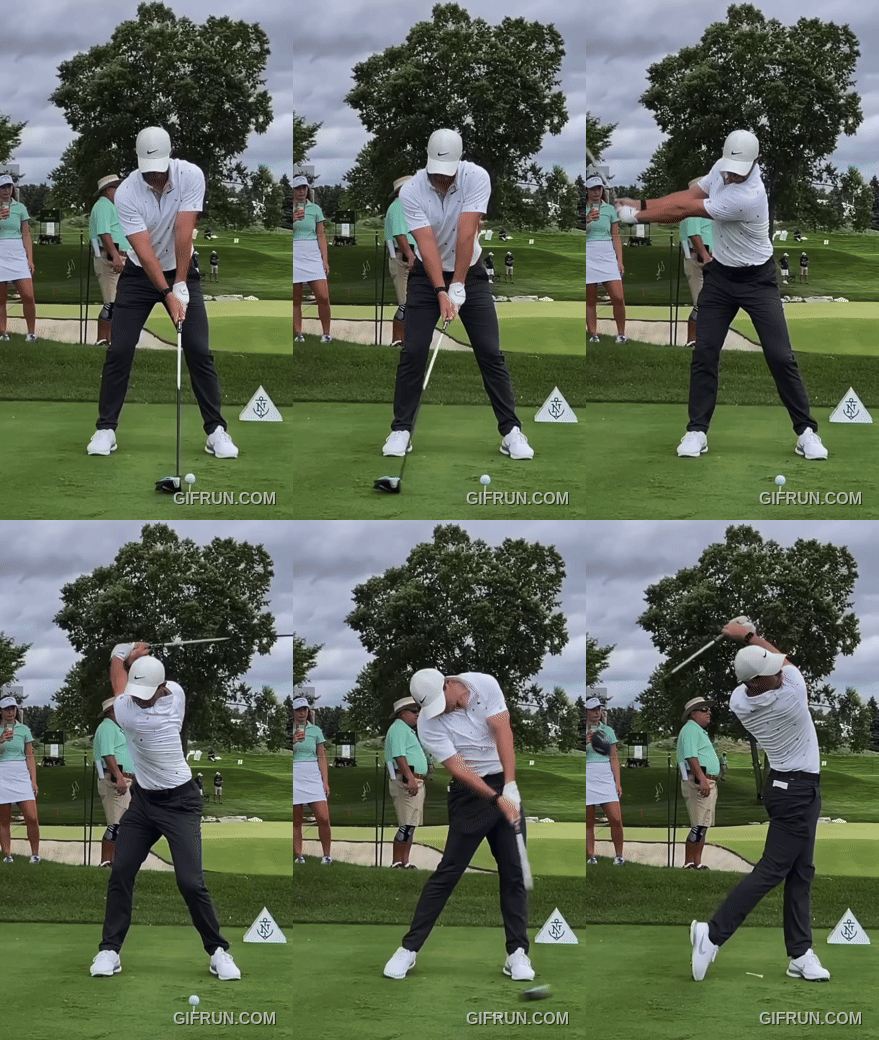
A powerful golf swing isn’t just about your arms moving faster. It’s about sequencing force correctly from the ground, through the hips and spine, into the upper trunk and shoulders, and finally transferring that energy into the club.
The golfers who hit bombs off the tee aren’t just “swinging harder.” They’re creating and transferring force more efficiently.
At Overtime Athletes, we train golfers like athletes. And one of the best tools we use to build explosive golf swing power is med ball ballistic training.
Why?
Because med ball throws allow golfers to train explosive rotational intent while teaching the body how to sequence power through the entire kinetic chain.
Instead of just lifting weights slowly, med ball work teaches the body to produce force fast — exactly what happens during a golf swing. Make sure to read our previous article on strength training for golf!
Why Rotational Power Matters for Golf Swing Power
The golf swing is one of the most explosive rotational movements in sports.
Everything starts from the ground. The lower body creates force, the hips begin rotating, the spine transfers energy, and the upper trunk and shoulders accelerate through impact.
If one part of that chain is weak or inefficient, you leak power.
That means:
- Less club head speed
- Less ball speed
- Less driving distance
- More compensation patterns
- Increased stress on the lower back and shoulders
This is why golfers can’t just train “core strength” with endless crunches or random exercises.
You need to train rotational explosiveness through the full sequence of the body.
That’s exactly why we progress our med ball work from isolated upper trunk rotation all the way to full dynamic rotational power.
1. Seated Rotational Tosses
The first progression we use is seated rotational tosses.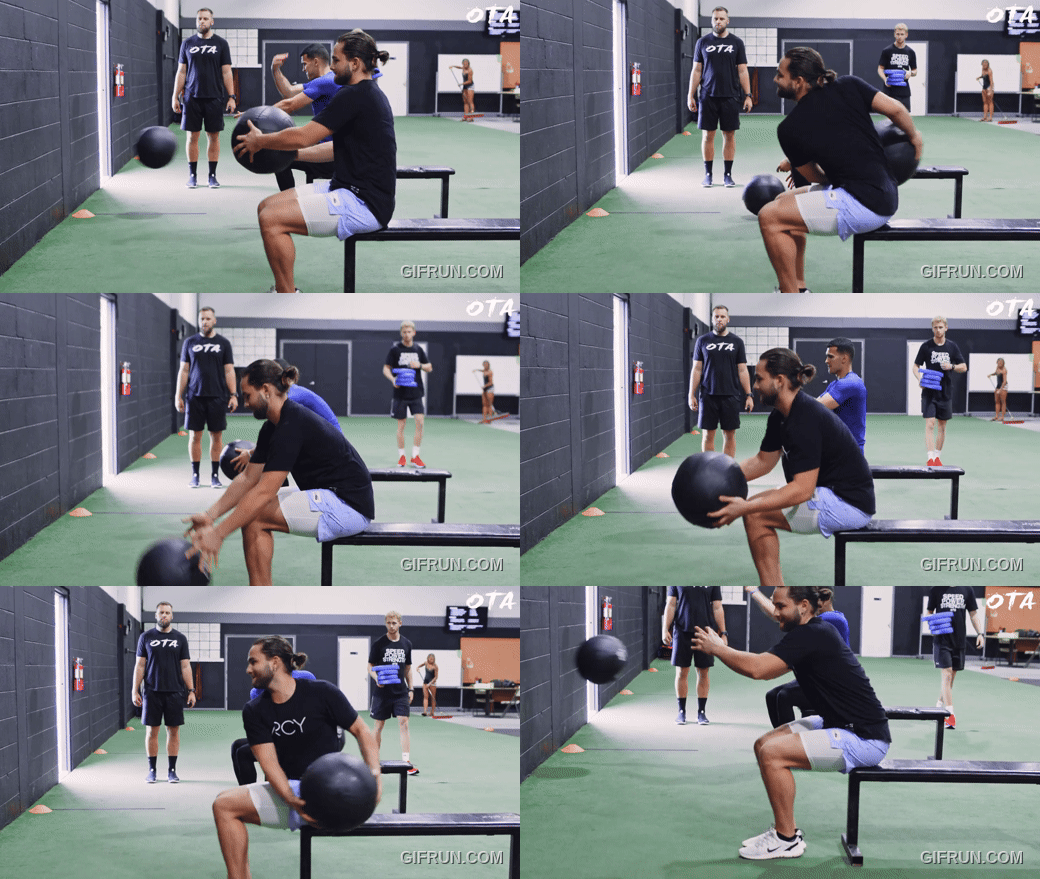
This variation removes the lower body almost entirely and forces the athlete to isolate the upper trunk and thoracic rotation.
A lot of golfers struggle to separate upper trunk rotation from lower body movement. They either overuse the arms or compensate through the lower back.
By sitting down, we can focus specifically on:
- Upper trunk rotational power
- Thoracic mobility
- Explosive shoulder rotation
- Force transfer through the upper body
The goal here is simple: create violent rotational intent without relying on momentum.
This teaches golfers how to actually rotate explosively through the trunk instead of just “spinning.”
2. Kneeling Side Tosses and Side Slams
Once we build control and explosiveness through the upper trunk, we start adding more hip involvement with kneeling variations.
Kneeling side tosses and side slams introduce: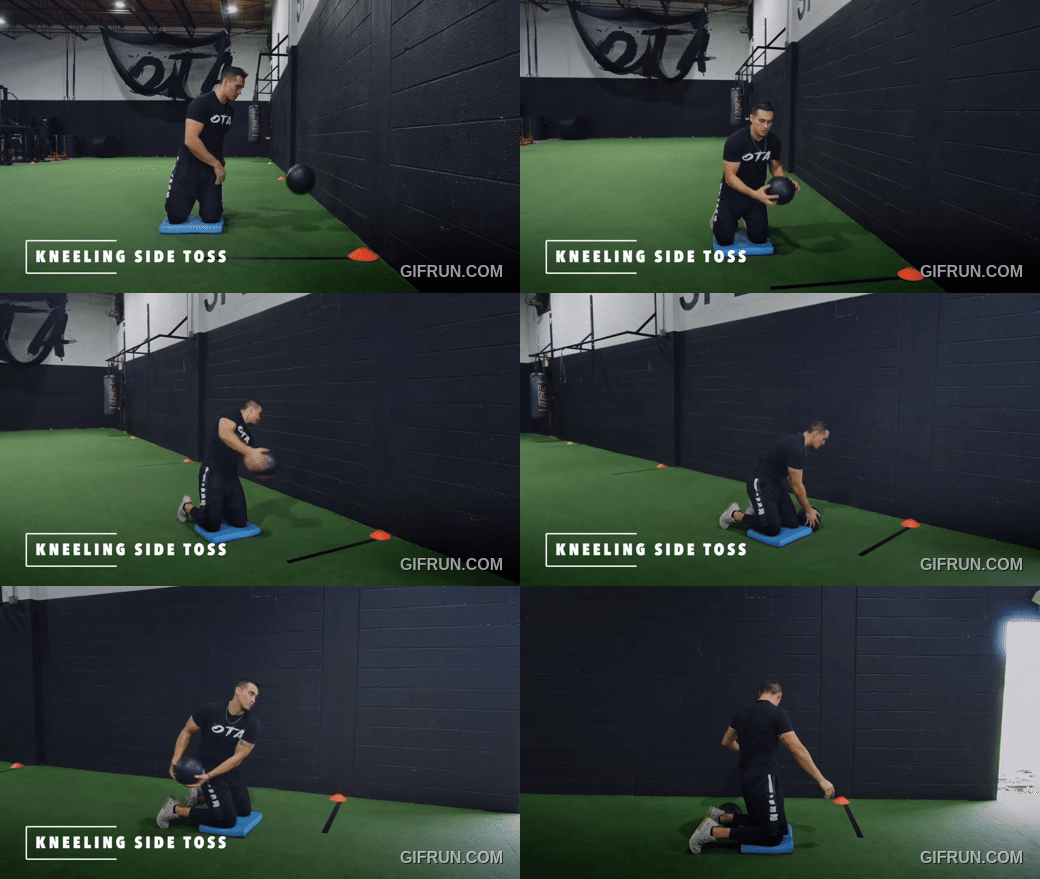
- Hip rotation
- Pelvic stability
- Core stiffness
- Improved sequencing between hips and trunk
Because the athlete is still grounded in a stable position, it allows them to focus on creating separation between the hips and shoulders — a massive component of elite golf swing power.
This is where golfers begin learning how to transfer force from the hips into the upper body instead of simply rotating everything at once.
The side slams also help train aggressive deceleration and force absorption, which is critical for protecting the spine while producing high rotational speeds.
3. Split Stance Side Tosses and Side Slams
Now we start moving toward full ground-up power production.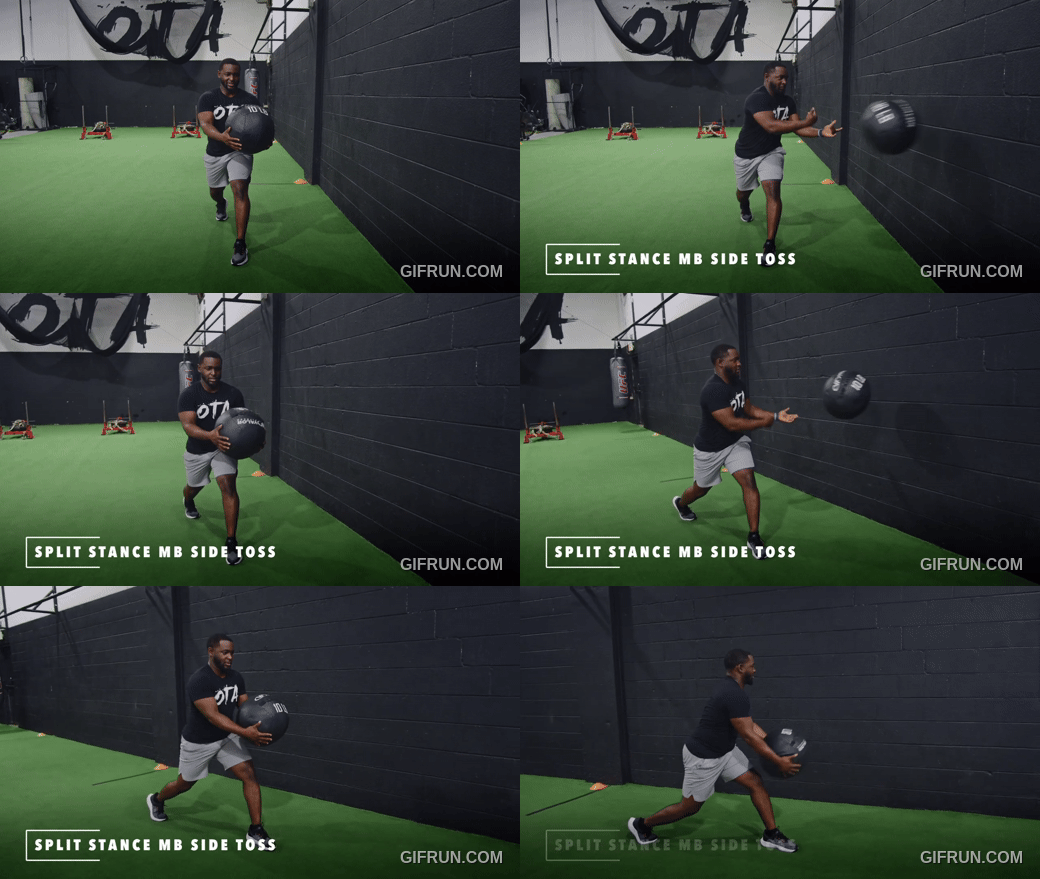
The split stance position challenges golfers to stabilize through the lower body while still producing rotational explosiveness.
This progression is huge because golf isn’t just about rotation — it’s about controlling rotation while producing force from the ground.
Split stance rotational throws train:
- Ground force production
- Hip stability
- Rotary power transfer
- Balance and posture
- Lower body-to-upper body sequencing
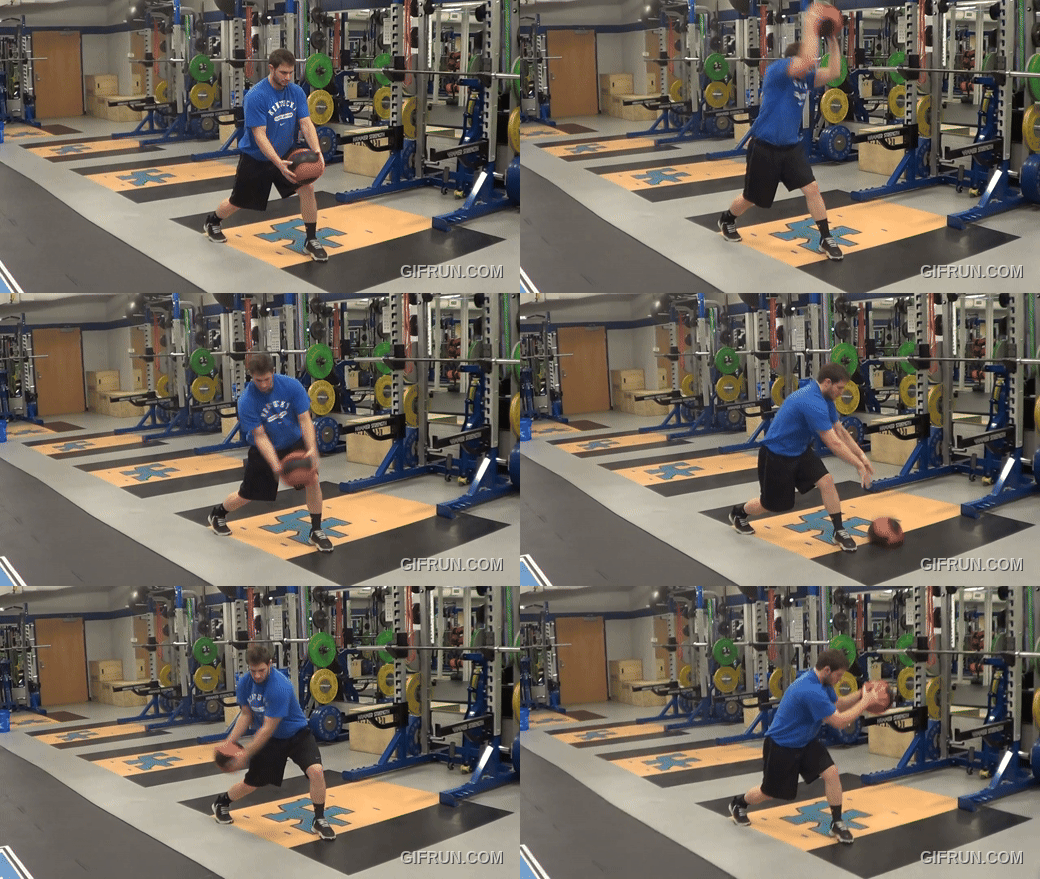

At this stage, the athlete has to learn how to stay stable while transferring force efficiently through the entire chain.
This is where rotational strength starts turning into usable golf swing power.
A lot of golfers lose energy because they can’t stabilize properly through the hips and lower body. They sway, leak force, or lose posture during the swing.
These drills help clean that up while building explosive power at the same time.
4. Dynamic Side Tosses and Shot Tosses
This is where we let athletes open it up.
Dynamic side tosses and shot tosses are designed to train overspeed rotational power and explosive intent.
Now we’re incorporating:
- Momentum
- Faster hip rotation
- More aggressive force transfer
- Higher velocity movement patterns
These exercises allow golfers to move explosively and express power more naturally — similar to what happens during an actual swing.
Overspeed med ball work can help improve:
- Rotational explosiveness
- Club head speed
- Rate of force development
- Athletic coordination
- Driving distance potential
The key is that by the time we reach this progression, the athlete has already learned how to sequence properly.
We’ve gone from isolated trunk rotation to full-body explosive power.
That progression matters.
Because if you jump straight into dynamic rotational work without learning how to sequence force correctly, you usually end up reinforcing bad mechanics and compensations.
Final Thoughts
If you want more golf swing power and more driving distance, you need more than just swing reps.
You need to train your body to produce and transfer force efficiently.
That means developing explosive rotational power from the ground up:
- Hips
- Spine
- Upper trunk
- Shoulders
- Full-body sequencing
Med ball ballistic training is one of the best ways to build that athletic rotational power while directly improving the qualities that transfer to the golf swing.
If you’re serious about increasing golf swing power, rotational explosiveness, and driving distance, check out our Golf Power System program. We break down exactly how to train for more speed, more power, and better athletic performance on the course.
