
Long-Term Athletic Development: Why Year-Round Training Is the Key to Real Athlete Progress
In today’s sports landscape, too many athletes are chasing short-term results instead of committing to real athletic development. They bounce from program to program, train hard for a few months, disappear during the season, then wonder why they feel behind every year when they come back.
We’ve seen this story play out thousands of times.
The athletes who make real progress — the ones who become stronger, faster, more resilient, and more confident year after year — aren’t doing anything flashy. They aren’t chasing trends. They aren’t constantly “starting over.”
They’re committing to year-round training and trusting the process of long-term athletic development.
This article will dive into why athletic development must be continuous, why inconsistency creates roller-coaster results, and why the athletes who stay committed over multiple years separate themselves in the end. We have many examples of athletes both in our facility and doing custom training online staying with us year after year making huge leaps in their athleticism, while the inconsistent ones fall behind or fall off completely.
If you’re interested in one-on-one custom athlete coaching, click here to see if OTA Elite is the right fit!
Athletic Development Is Built Over Years — Not Seasons
Athletic development is not seasonal.
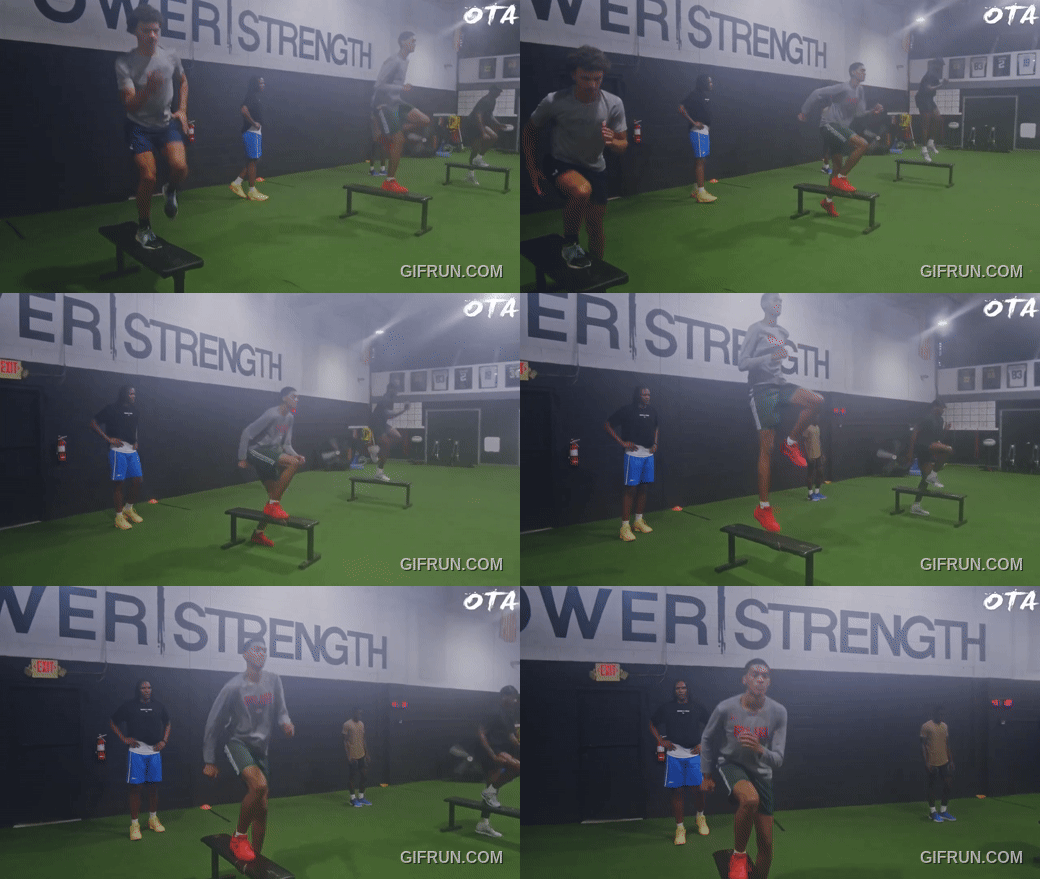
Your nervous system doesn’t reset when your season starts. Your strength base doesn’t magically maintain itself when training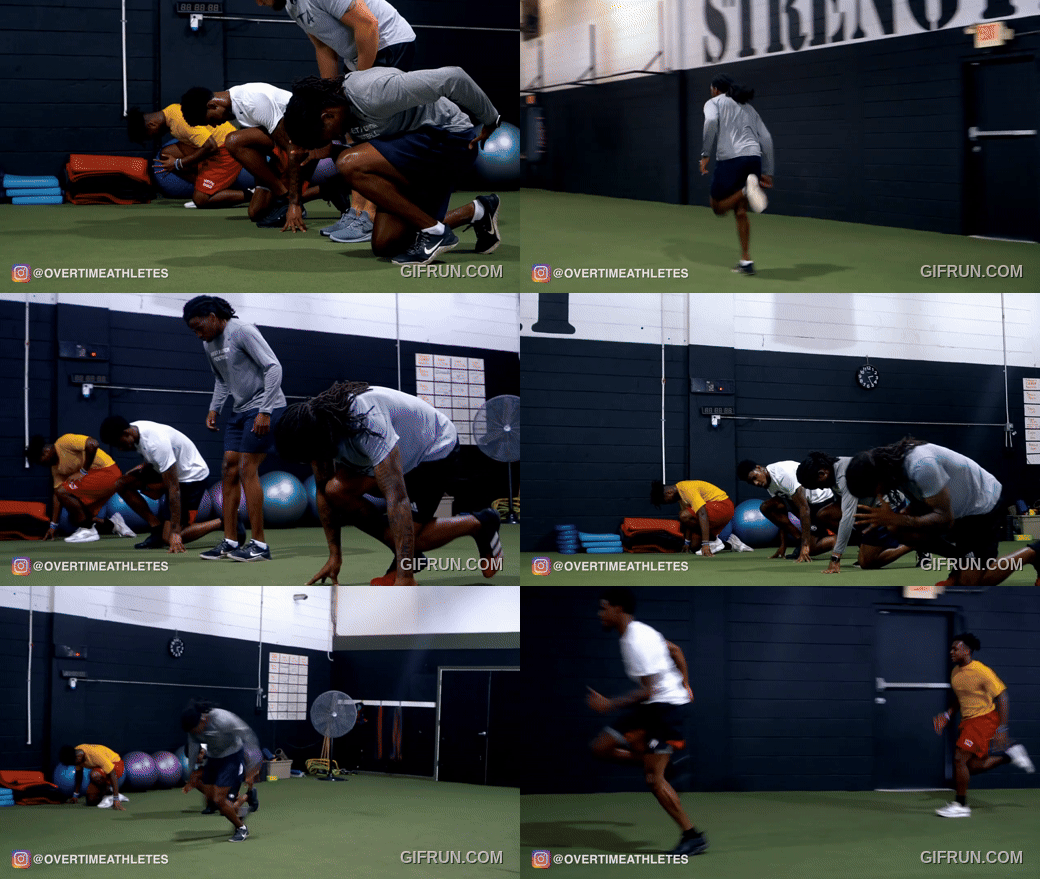 stops. Speed, power, movement efficiency, and durability are all qualities that require consistent exposure over time.
When athletes only train in the offseason and disappear during the season, they’re not maintaining — they’re regressing.
Then every offseason becomes:
- Rebuilding lost strength
- Relearning movement patterns
- Fixing avoidable aches and injuries
- Re-establishing work capacity
That’s not development. That’s playing catch up over and over again.
Long-term athletic development means each year builds on the last. The goal is not to “get back to where you were,” but to stack progress — physically, mentally, and mechanically — year after year. Check out our previous article covering the principles of athletic development.

The Roller-Coaster Problem: In-and-Out Athletes
One of the biggest mistakes we see is athletes training inconsistently over their high school careers. Pretty sure every performance coach is frustrated by this.
These athletes train hard for:
- 3–4 months
- Miss long stretches
- Come back deconditioned
- Push too fast
- Get frustrated
- Repeat the cycle
These athletes live on a roller coaster:
- Up in the offseason
- Down during the season
- Back to square one every year
The problem isn’t effort. It’s their inconsistency.
Athletic development doesn’t reward intensity alone — it rewards consistency and commitment. Results are earned and then it takes consistency to keep them.
Real Examples From Our Gym
We’ve worked with athletes for years who started training with us as freshmen with their team.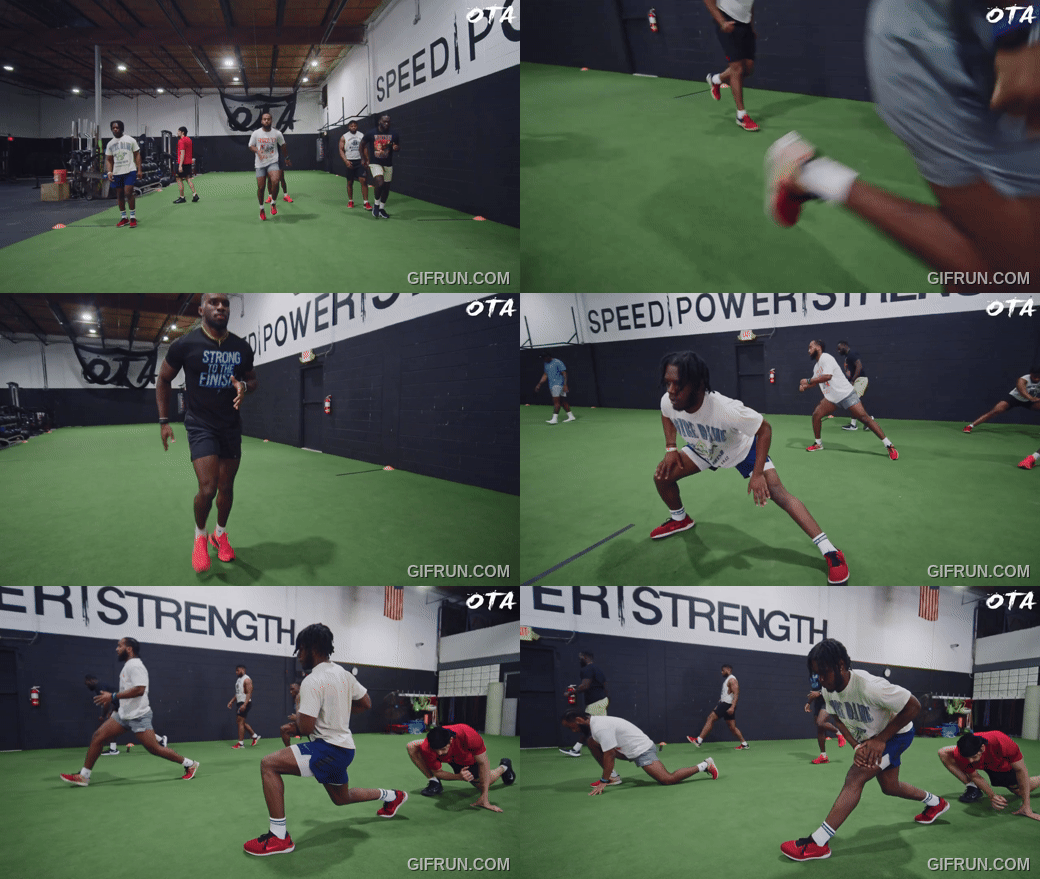
Every single time it follows a similar pattern:
- A large group starts together
- Some fall off early
- Many become inconsistent — training on and off
- A small percentage stays committed year-round through senior year
And here’s the part that never changes:
That small percentage is the group that goes on to play college sports and make an immediate impact.
Not because they were always the most talented.
Not because they never struggled.
But because they stacked four years of athletic development without interruption.
By the time they reached their senior year, they weren’t rebuilding. They were refining. They were no longer chasing strength, but they were continuing to build on top of it.
College coaches notice that difference immediately. Many of our most committed athletes have reported to use that they showed up as freshman and we’re immediately among the best athletes on their team.
Obviously with this example we’re talking about high school freshman, but athletic development can and should start way before that. Check out our previous article on the keys to youth athlete development.
Why Year-Round Training Matters (Especially In-Season)
A common misconception is that athletes shouldn’t train during the season.
In reality, in-season training is what protects the offseason gains.
Year-round training doesn’t mean maxing out year-round. It means:
- Adjusting volume and intensity
- Supporting performance and recovery
- Maintaining strength, speed, and tissue health
- Reinforcing efficient movement patterns
When athletes stop training entirely in-season, they lose:
- Strength
- Power
- Structural resilience
- Confidence in their bodies
Then the offseason becomes a mad dash to rebuild instead of progress.
Smart in-season training preserves athletic development.
Three Major Pillars of Long-Term Athletic Development
1. Consistency Beats Intensity Every Time
The biggest driver of athletic development is consistency over years.
A well-designed program only works if the athlete sticks with it.
Athletes who train year-round:
- Maintain strength and power
- Adapt gradually instead of restarting
- Accumulate high-quality reps
- Build confidence in their movement
Inconsistent athletes are always behind because they never allow adaptations to fully settle.
You can’t skip chapters and expect the story to make sense.
2. Each Year Builds on the Previous One
Long-term athletic development is cumulative.
Freshman year lays the foundation focusing on basic strength, movement quality, and work capacity.
Sophomore year builds more strength and improving force production and speed.
Junior year refines and increases sport specific demands.
Senior year is about college readiness and maximizing the previous years.
When athletes miss entire chunks of training, the chain breaks. You can’t jump to advanced qualities without owning the basics underneath.
Inconsistent years create weak links that show up later.
3. Durability Is a Skill Built Over Time
Availability is performance.
The athletes who stay healthy aren’t lucky — they’re trained.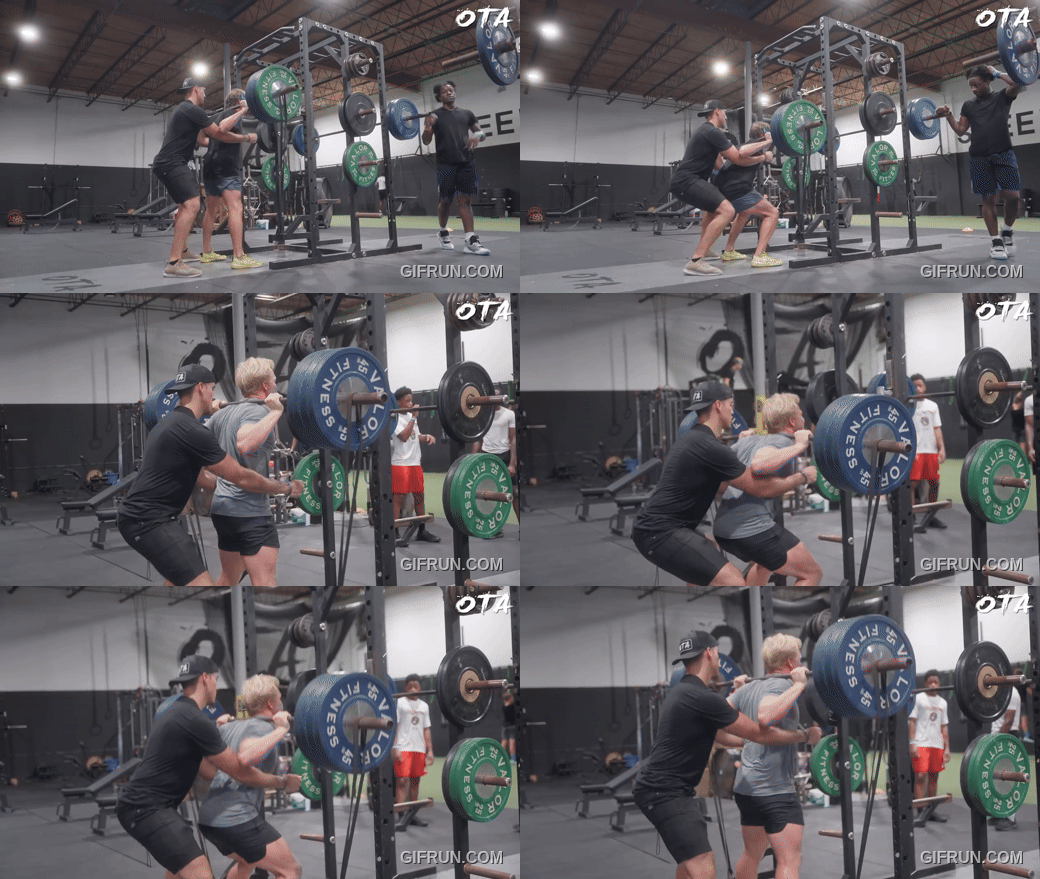
Year-round training develops:
- Stronger connective tissue
- Better joint integrity
- Improved movement efficiency
- Higher tolerance to stress
Athletes who train sporadically spike stress too fast, leading to:
- Overuse injuries
- Chronic aches
- Missed seasons
- Stalled development
Durability isn’t built in a single offseason. It’s earned through long-term athletic development done the right way.
Athletic Development Is More Than Just Physical
Sticking with a program year-round builds more than muscles.
It builds:
- Discipline
- Accountability
- Trust in the process
Athletes who stay committed learn how to train, how to recover, and how to manage their bodies. That knowledge transfers directly to college athletics, where independence is required.
Coaches can tell immediately which athletes have been developed long-term — they move differently, warm up differently, and handle workload differently.
The Bottom Line
Athletic development is not about quick wins.
It’s not about chasing numbers for social media.
And it’s definitely not about training only when it’s convenient.
Real progress comes from year-round training and long-term commitment.
The athletes who trust the process, stay consistent through seasons, and allow each year to build on the last are the ones who separate themselves when it matters most.
At Overtime Athletes, we don’t promise shortcuts to quick results. Quick results go away just as quickly.
We want to build athletes who last, who KEEP the results they get and continue building on it.
Ready to Commit to Real Athletic Development?
If you’re serious about athletic development — not just for one season, but for your entire career — it’s time to commit to a program designed for long-term success.
Join Overtime Athletes and start building year-round.
