
Athlete Workout for Core Strength
A strong core is about much more than having visible abs.
For athletes, the core and trunk are the connection between the lower and upper body. Every time you sprint, jump, plant, decelerate, cut, throw, swing, or change direction, you have to control and transfer force through your trunk.
If the trunk cannot stabilize and transfer that force efficiently, the rest of the body has to compensate.
That is why an effective workout for core strength should not be built around doing hundreds of crunches. Athletes need a well-rounded approach that develops the ability to resist force, produce force, and transfer force through the trunk.
This is what separates athletic core training from traditional ab training.
Before you go on, check out our previous article on how to train core for athletes!
Why Core Strength Matters for Athletes
Think of the core as the bridge between the lower and upper body.
When an athlete pushes into the ground during a sprint, force travels from the foot and leg through the hips and trunk. That force eventually has to be transferred into the upper body while the athlete maintains the correct position.
The same thing happens during a change of direction.
An athlete has to absorb force through the lower body, control the pelvis and trunk, and then redirect that force into the new direction. If the trunk is unstable, energy can leak through the system instead of being efficiently transferred.
A strong core allows an athlete to maintain position while producing and absorbing high levels of force.
A weak or detrained core can create the opposite problem. The athlete may have strong legs and powerful hips, but if they cannot control the trunk, they won’t be able to express that strength as efficiently.
This is especially important during sprinting, planting, deceleration, and cutting.
You can read more about deceleration training here!
During acceleration, the athlete needs to project force backward into the ground while maintaining a strong trunk position.
At top speed, the trunk has to remain controlled while the arms and legs move rapidly.
During deceleration, the athlete has to absorb large forces without allowing the trunk to collapse or rotate excessively.
And during cutting, the athlete has to brake, stabilize, and redirect force into a completely different direction.
Your core has a role in all of it.
Core Training Isn’t Just Crunches
One of the biggest mistakes athletes make is thinking core training means doing more sit-ups, crunches, and other exercises designed primarily to fatigue the abdominal muscles.
Those exercises can have a place in training, but they don’t cover everything an athlete needs.
An effective workout for core strength should train the trunk in multiple ways.
The core needs to resist unwanted movement.
It needs to produce movement.
And it needs to transfer force between the lower and upper body while the athlete is moving at high speeds.
That means training isometric strength, general isotonic core strength, and dynamic core strength.
This gives athletes a much more complete foundation for performance.
The Best Workout for Core Strength for Athletes
This workout combines six exercises that attack different aspects of trunk strength. The goal isn’t to destroy your abs.
The goal is to build a trunk that can stabilize, produce, absorb, and transfer force.
Core Isometric Strength
1. Front Rack Kettlebell Marches
Front rack kettlebell marches are a great way to develop isometric trunk strength while the athlete is forced to stabilize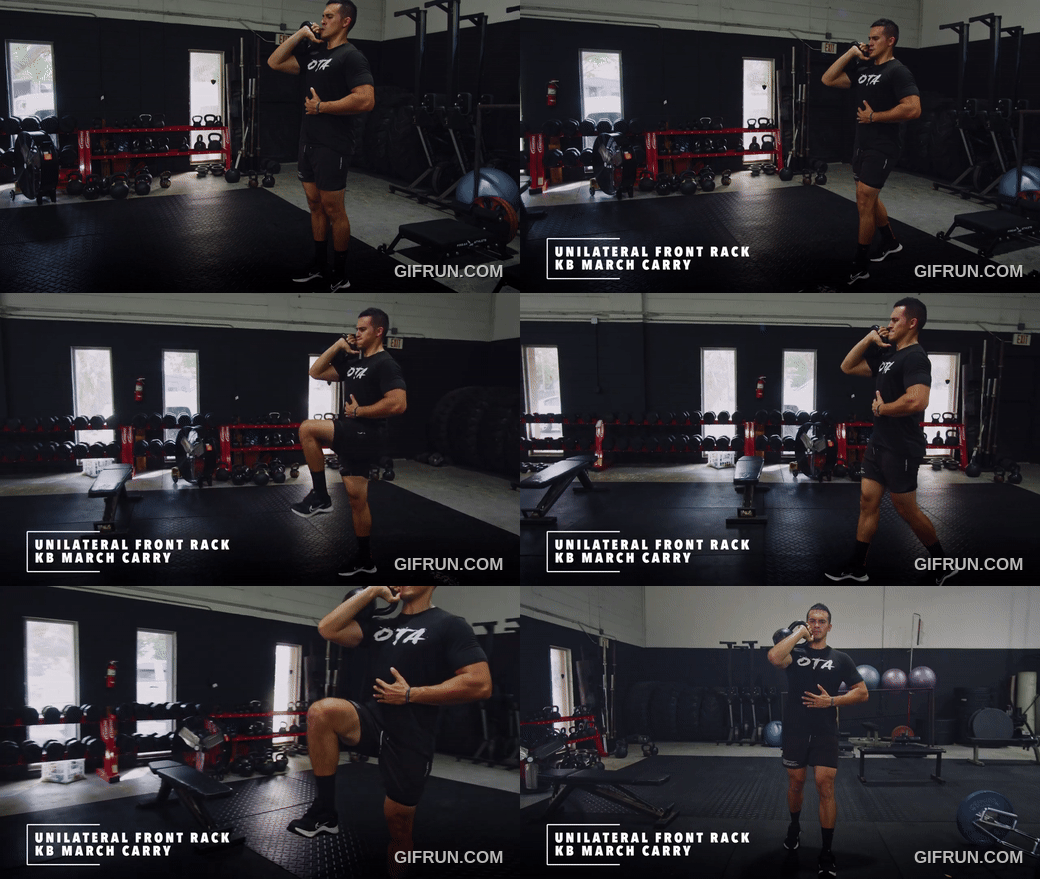 dynamically.
Holding the kettlebell in the front rack position creates an anterior load. As the athlete marches, the trunk has to resist extension and unwanted movement while maintaining a strong position.
This teaches the athlete to keep the pelvis and rib cage controlled while the legs move independently.
That matters because sprinting and change of direction require the athlete to control the trunk while the limbs are moving aggressively.
Primary focus: Isometric trunk stability, anti-extension, posture, and control.
2. Banded Deadbugs
Banded deadbugs train the athlete to maintain trunk position while the arms and legs move.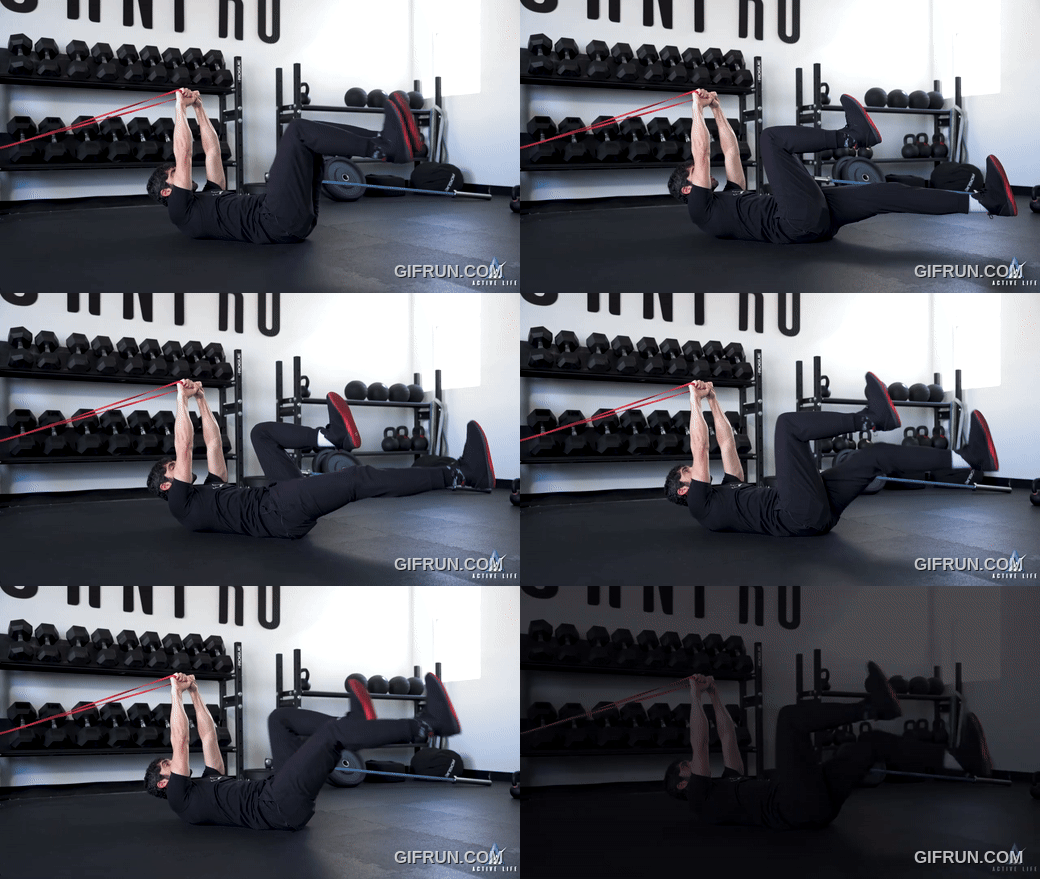
The band creates additional tension through the trunk by keeping that lats engaged and challenges the athlete to resist extension and maintain control of the pelvis and rib cage.
This is important because athletes need to separate upper- and lower-body movement without losing trunk stability.
Instead of simply moving through repetitions, focus on keeping the lower back controlled and maintaining tension throughout the movement.
Primary focus: Anti-extension, trunk control, and coordination between the upper and lower body.
Isotonic Core Strength
3. Cable Woodchops
Athletes don’t just need to resist rotation. They also need to produce it.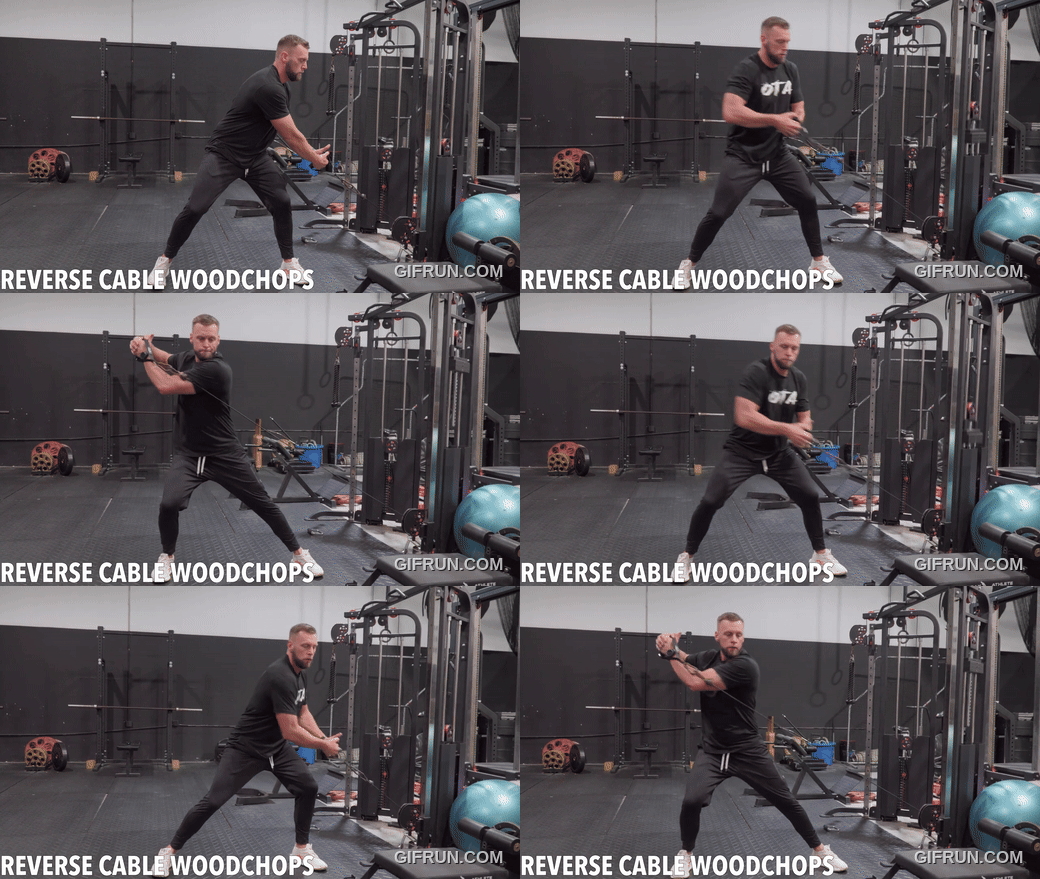
Cable woodchops train the trunk to generate rotational force while coordinating movement through the hips, trunk, and upper body.
This is particularly important for rotational athletes, but the ability to produce and control rotation matters across virtually every sport.
The goal is to develop a strong connection between the lower body and upper body rather than simply rotating through the spine.
Primary focus: Rotational strength, force production, and upper-to-lower-body connection.
4. Hanging Leg Raises
Hanging leg raises challenge the athlete to control the pelvis while moving the lower body through space.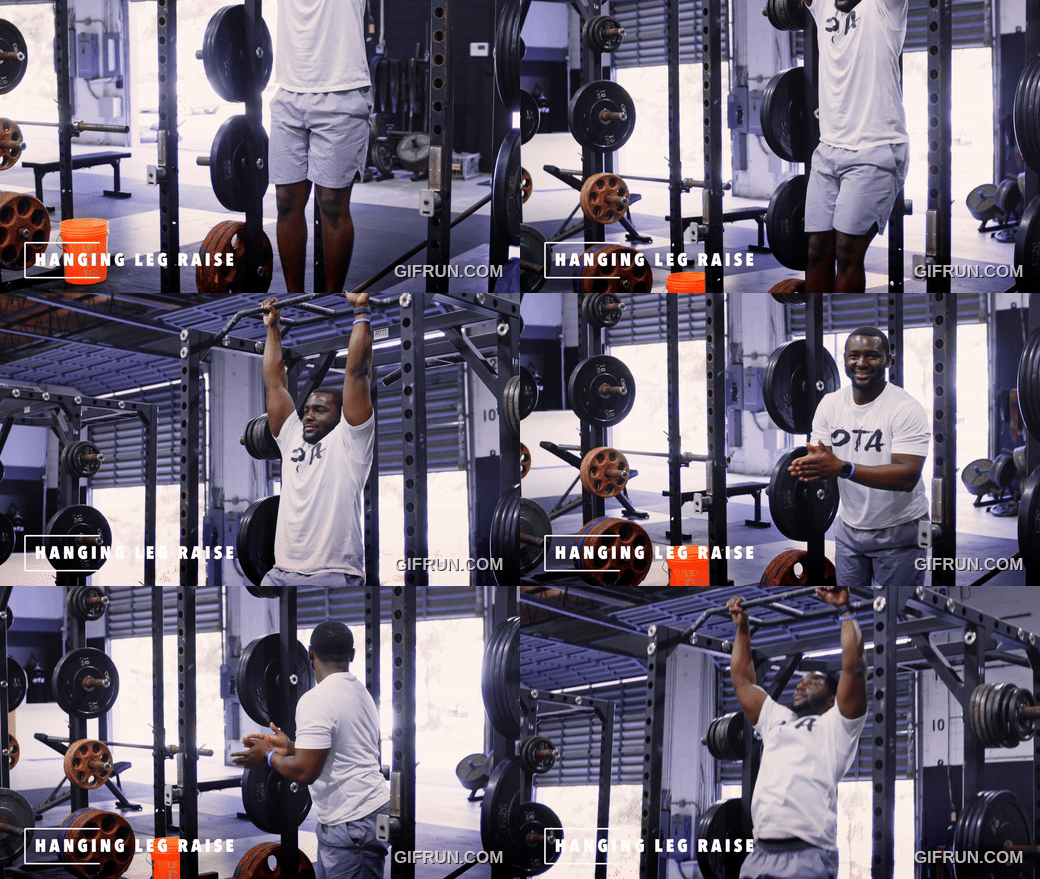
The exercise demands significant trunk control while the hips move, making it useful for developing strength through the anterior core and hip-flexor complex.
Don’t turn this into a swinging exercise. Control the movement and keep the trunk engaged throughout the repetition.
Primary focus: Anterior core strength, pelvic control, and dynamic trunk strength.
Dynamic Core Strength
5. Med Ball Rebound Side Tosses
This is where core training starts to look much more like athletic movement.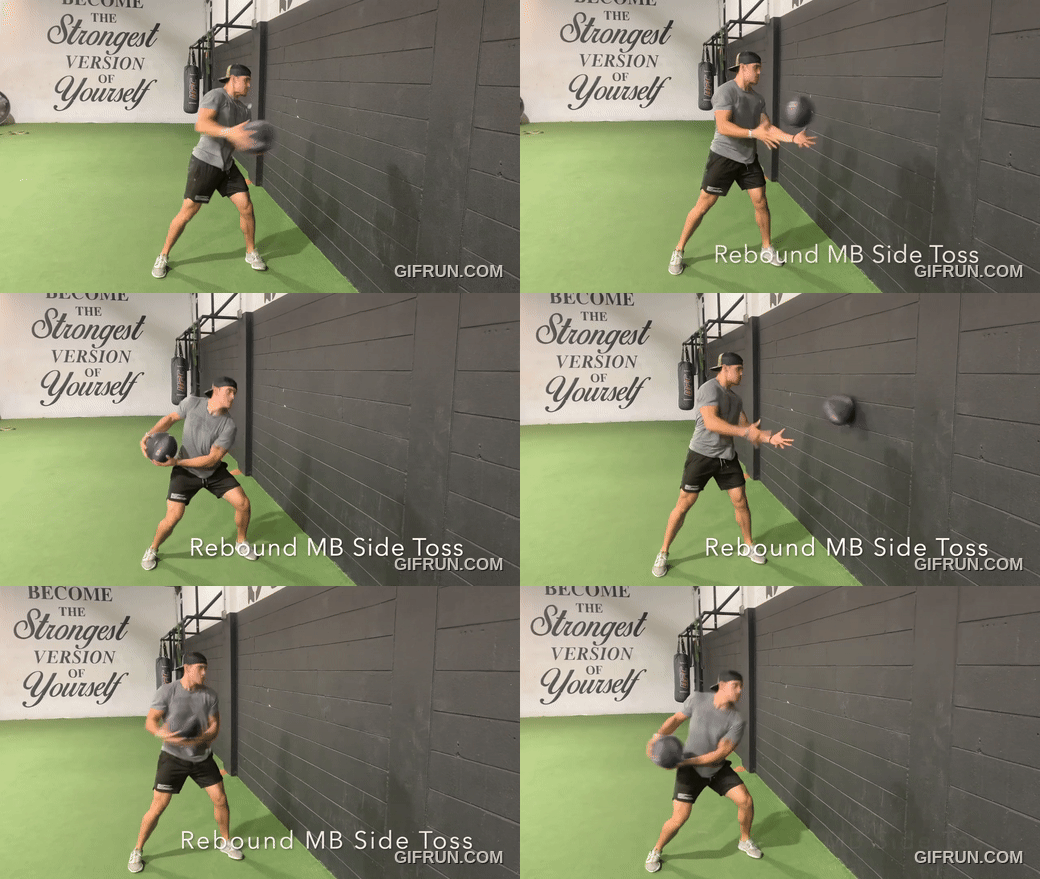
Med ball rebound side tosses train the athlete to rapidly absorb and produce rotational force.
The athlete has to receive the ball, stabilize, load, and then redirect force into the throw.
That rapid transition from absorption to force production is extremely valuable for athletes who have to react, plant, rotate, and change direction quickly.
Primary focus: Reactive rotational power, force absorption, and force transfer.
6. Med Ball Side Slams
Med ball side slams train the athlete to produce force through the entire body while aggressively moving the trunk.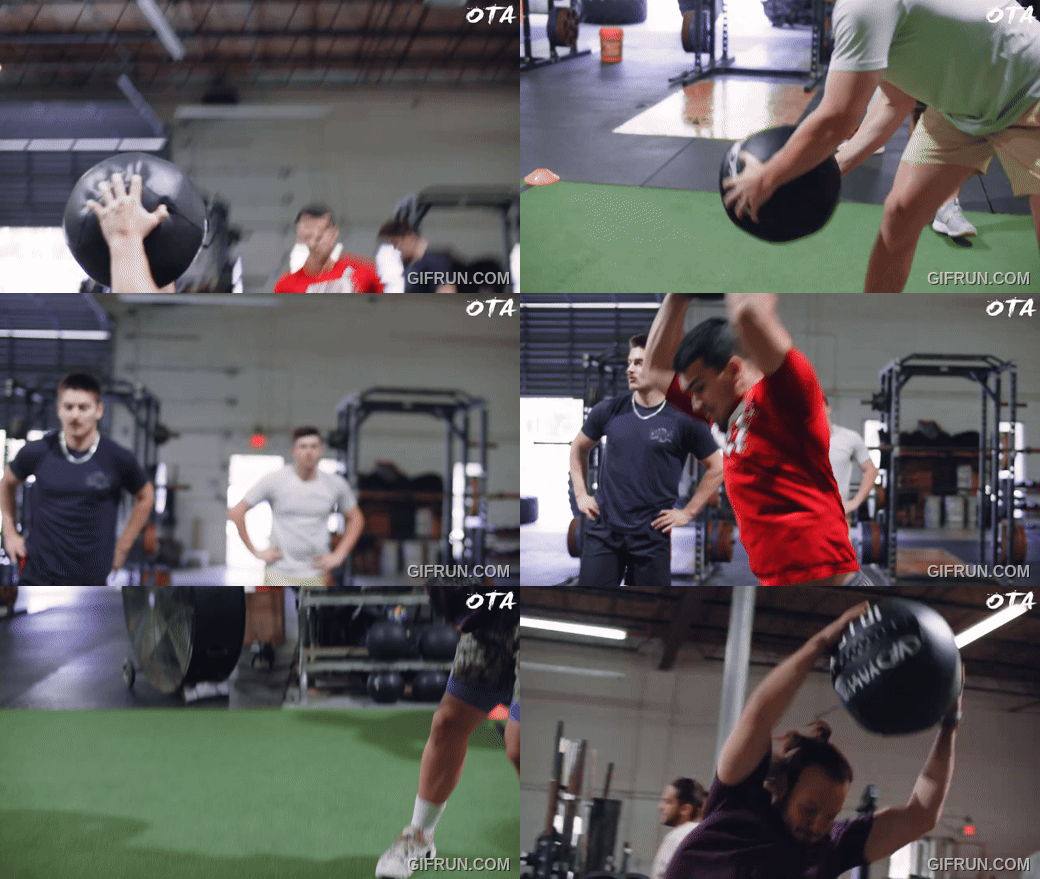
The goal isn’t simply to throw the ball as hard as possible with the arms. The athlete should use the hips, trunk, and upper body together to create a powerful movement.
This teaches the body to coordinate force from the ground through the lower body, trunk, and upper body.
Primary focus: Dynamic trunk power, rotational force production, and full-body force transfer.
Train Your Core to Transfer Force
A strong core isn’t valuable because it allows an athlete to do more crunches.
It’s valuable because it allows the athlete to use the strength and power they already have.
When sprinting, the trunk connects the force produced by the lower body with the movement of the upper body.
When decelerating, the trunk helps the athlete control the forces being absorbed.
When cutting, it helps stabilize the body while force is redirected.
And when throwing, swinging, jumping, or competing, it helps transfer force through the kinetic chain.
That’s why a complete workout for core strength needs to go beyond traditional abdominal exercises.
Build the ability to resist movement and produce movement. Then train the athlete to rapidly transfer force through the trunk.
That creates a stronger connection between the upper and lower body and gives athletes a better foundation for speed, power, and change of direction.
Final Thoughts
Core training should be viewed as performance training, not just ab training.
The goal is to build a trunk that can handle high levels of force and keep the athlete stable while the rest of the body moves at high speed.
This workout gives you a combination of isometric strength, general core strength, rotational strength, and dynamic power. Together, these qualities help develop an athlete’s ability to transfer large amounts of force between the lower and upper body.
And that is what you want from athletic core training: a stronger connection between the ground, the lower body, the trunk, and the upper body.
If you want to take that strength and turn it into better acceleration, deceleration, cutting, and game-speed movement, you need more than isolated exercises.
You need a complete system.
Get started with Game Speed Reloaded and train the qualities that actually determine how fast and explosive you are on the field or court.
