How We Use Speed Gates to Make Athletes Faster
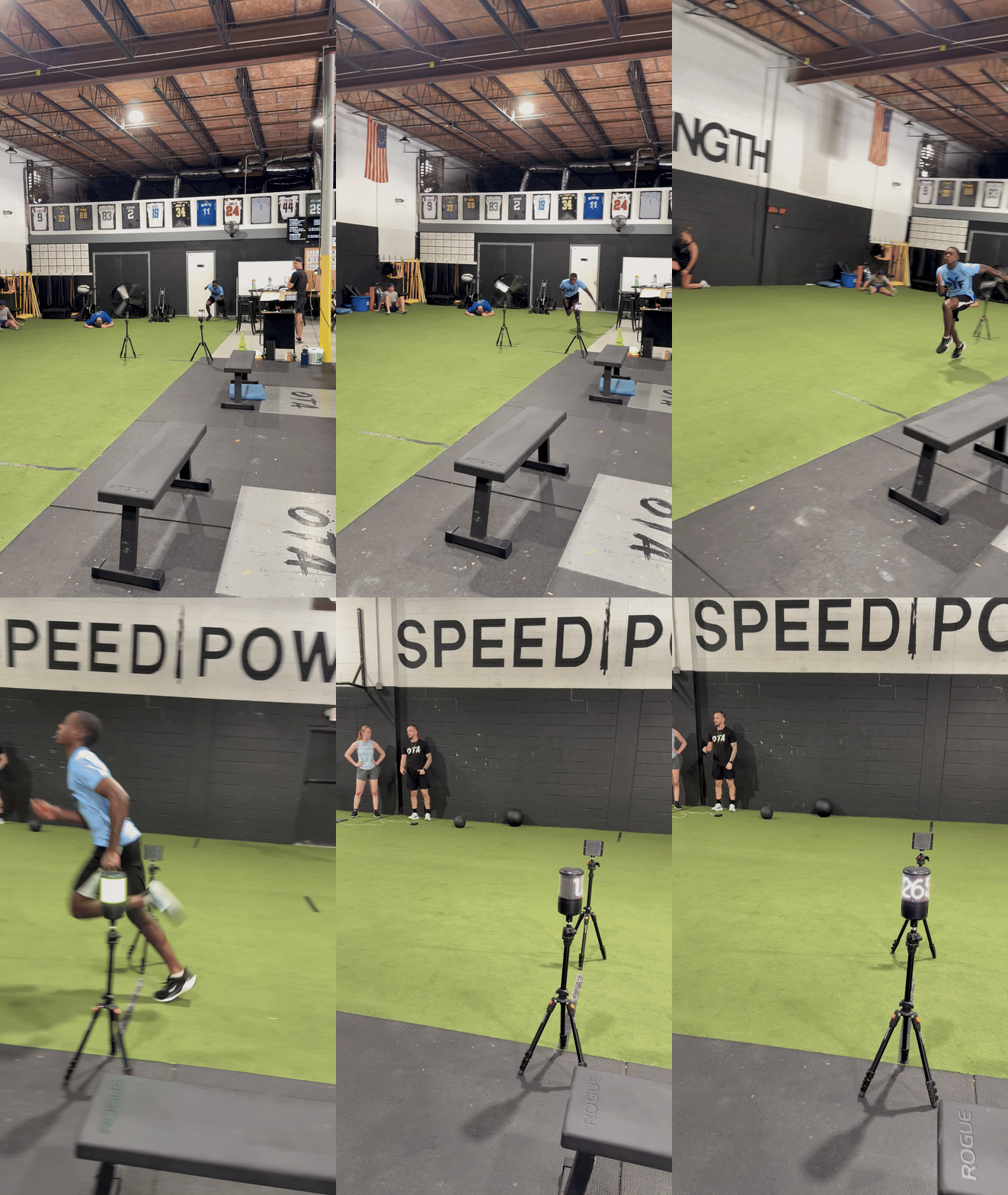
At Overtime Athletes, speed isn’t something we test once and hope improves. Speed is something we train, expose, reinforce, and demand every single week. One of the most powerful tools we’ve added to that process is speed gates—specifically the VALD speed gates.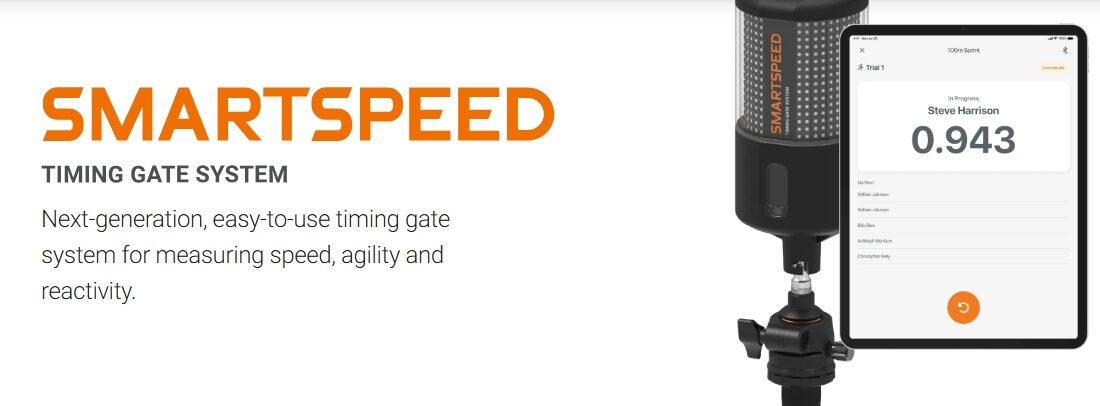
But here’s the key distinction: technology is a tool, not the solution. Speed gates don’t magically make athletes faster. How you use them does.
Too many people treat speed gates like a scoreboard after the game is over—useful for data, but disconnected from the training process. We use speed gates differently. Yes, we test with them. But more importantly, we integrate speed gates directly into our regular speed training sessions to raise intent, intensity, and competition. That’s where real speed gains happen.
This article breaks down how we use speed gates to make athletes faster, why they work, and how you can apply the same principles without losing sight of the fundamentals that actually drive performance. Make sure to see our last article on how to warm up for better linear speed performance!
Technology Is a Tool—The Basics Still Matter
Before we talk about speed gates, let’s get something straight.
No piece of technology replaces:
- Proper sprint mechanics
- Effective warm-ups
- Progressive speed exposure
- Sound programming
- Coaching eyes and cueing
Speed still comes from force application, posture, rhythm, and intent. If an athlete can’t project force into the ground, maintain front-side mechanics, or relax at high velocity, no timing system in the world will fix that.
At Overtime Athletes, we build speed from the ground up:
- We prep the hips
- We reinforce posture
- We train acceleration and max velocity separately
- We coach mechanics relentlessly
Speed gates don’t replace that process. They amplify it.
Think of speed gates like a volume knob. If the basics are right, speed gates turn everything up—focus, intent, effort, and competitiveness.
Why Speed Gates Matter in Training (Not Just Testing)
Traditionally, speed gates are used for: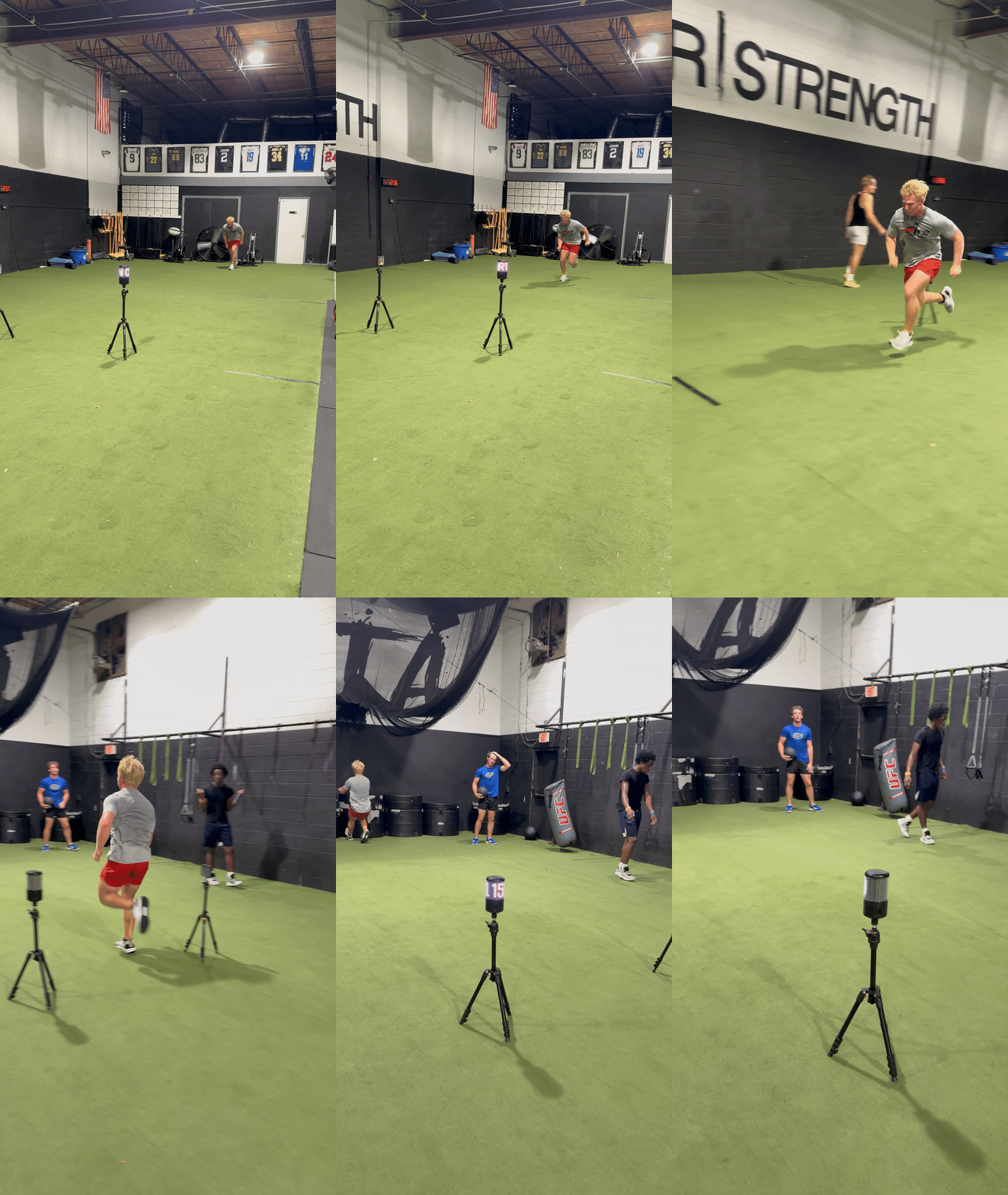
- 10-yard splits
- 20-yard times
- Flying 10s
- Baseline testing days
All of that is valuable. We use VALD speed gates for structured testing because they’re reliable, efficient, and athlete-friendly. Testing gives us:
- Objective benchmarks
- Progress tracking
- Readiness insights
- Buy-in from athletes and parents
But testing alone doesn’t make athletes faster, and you can use these gates for more than just testing.
What does make athletes faster is repeated exposure to high-intent sprinting. Speed gates allow us to bring testing-level intensity into everyday training.
That’s the real advantage.
Athletes Sprint Harder When the Clock Is On
Here’s a simple truth every coach learns eventually:
Athletes don’t sprint as hard as they think they do—unless something forces them to.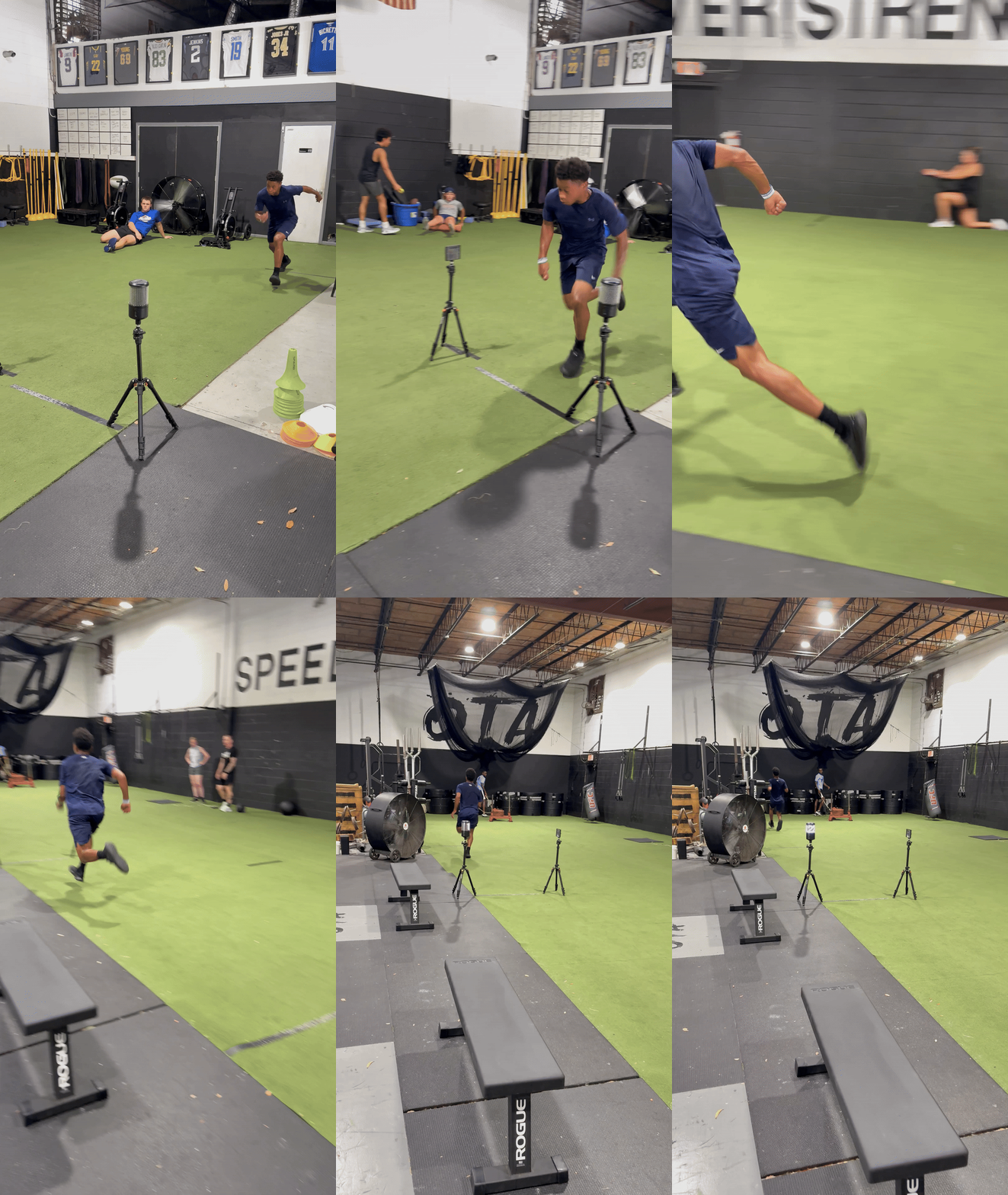
That “something” is usually:
- A race
- A chase
- Or a clock
Speed gates provide immediate, objective feedback. When an athlete sees their time after a sprint, everything changes.
Suddenly:
- Effort increases
- Focus sharpens
- Intent skyrockets
We see it every session.
An athlete runs a rep and thinks it was fast. Then they see the number. On the next rep, they push harder. On the rep after that, they start chasing a PR.
This is exactly what we want.
Competing Against Yourself Drives Intensity
One of the most powerful ways we use speed gates is self-competition.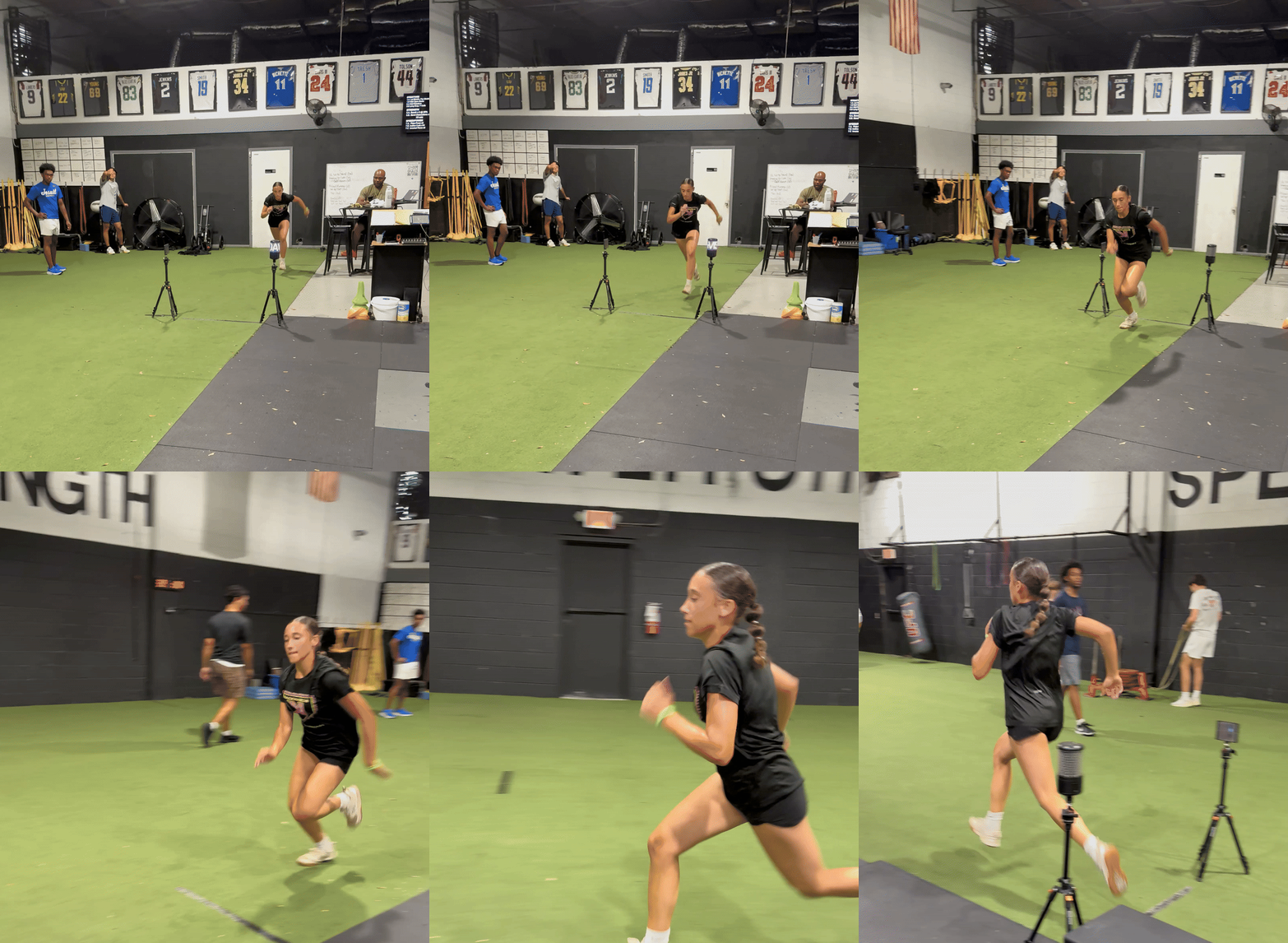
Every athlete has:
- A fastest time
- A daily best
- A session goal
When athletes know their number, they take ownership of the session. They aren’t just “running sprints” anymore—they’re chasing a target.
This creates:
- Better intent on every rep
- More consistent effort
- Less wasted sprint volume
Instead of mindless conditioning-style sprinting, we get high-quality, high-output reps.
From a performance standpoint, this matters because:
- Speed is neural
- Speed requires intent
- Speed responds to quality, not fatigue
Speed gates help us ensure that every sprint rep actually qualifies as a true speed rep.
Group Competition Raises the Ceiling
Self-competition is powerful. Group competition is even better.
Athletes are competitive by nature. When speed gates are set up and times are visible:
- Athletes want to climb the leaderboard
- Nobody wants to be last
- Everyone wants bragging rights
Now athletes aren’t just competing with themselves—they’re competing with:
- Teammates
- Training partners
- Position groups
This raises the intensity of the entire session without us having to yell, hype, or artificially motivate.
The room changes. The energy changes. The sprint quality goes up.
And here’s the key: we don’t need to add more volume. We simply get more out of the reps we already planned.
How We Can Integrate Speed Gates Into Regular Sessions
We don’t turn every sprint into a test. That would be counterproductive. Instead, we can use speed gates strategically.
1. Acceleration and Speed Days
We’ll use speed gates for:
- 10 and 20-yard sprints
- Starts and acceleration focused work
- Flying 10’s and Build-up sprints for top speed work
Athletes know:
- Times are being tracked
- Only high-quality reps count
- Full recovery is mandatory
This ensures every rep is explosive, aggressive, and intentional.
The goal isn’t fatigue. Speed gates confirm whether athletes are actually hitting high velocities—or just feeling fast.
2. Change of Direction Days
Sometimes we’ll finish with pro-shuttle times competitively, where we want the athletes to try and beat each others times.
This keeps speed fun, competitive, and engaging—without turning training into chaos.
Don’t Let Data Replace Coaching
Here’s the warning we give every coach:
Don’t let the numbers coach for you.
Speed gates give information. Coaches provide:
- Context
- Corrections
- Cues
- Progressions
If an athlete runs a slower time:
- Was posture off?
- Was recovery insufficient?
- Was intent lacking?
- Was fatigue too high?
We still coach the rep. The technology just helps us verify what we’re seeing.
At Overtime Athletes, speed gates support the coaching process—they don’t replace it.
Why VALD Speed Gates Specifically
We use VALD speed gates because:
- They’re consistent
- They’re easy to set up
- Athletes understand them quickly
- Data management is clean
They allow us to seamlessly move from:
- Testing days
- To training days
- To competitive with different types of drills
That versatility is what makes them valuable beyond just collecting data.
Conclusion: Speed Gates Can Be a Training Weapon, Not Just a Testing Tool
Speed gates are often misunderstood.
You don’t have to use them just for testing days.
They’re not just for getting numbers for spreadsheets.
When used correctly, speed gates can raise intent, increase intensity, and push athletes to sprint harder than they ever would on their own.
We use VALD speed gates not to chase numbers, but to create better training environments. Athletes sprint harder when they can see their times. They push more when they compete. They improve faster when speed is trained with purpose.
Technology is a tool. The basics still matter. Coaching still matters.
But when speed gates are integrated into real training, they can become one of the most effective ways to make athletes train even faster.