
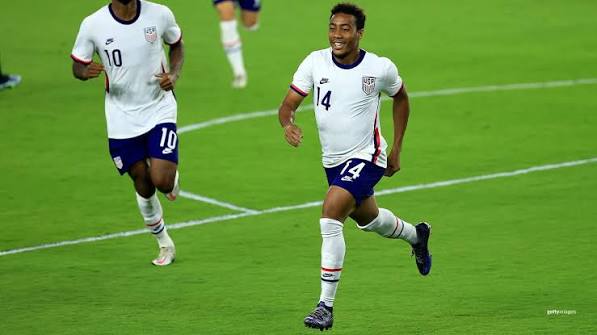
Why Soccer Training Needs Heavy Weight Training to Get Stronger and More Explosive
There’s an outdated belief in soccer that refuses to go away:
Soccer players shouldn’t lift heavy because they’ll get too bulky and lose their speed.
Instead, many soccer athletes are told to stick with light weights, high repetitions, and conditioning work.
The problem?
That approach leaves a massive piece of athletic development on the table.
Soccer players need to be strong.
Not bodybuilder-strong. Not strong just for the sake of moving more weight.
They need relative strength, lower-body strength, force production, and the ability to express that strength explosively.
The best soccer training doesn’t just prepare an athlete to run for 90 minutes. It prepares them to accelerate, decelerate, cut, jump, sprint, battle through contact, and produce force repeatedly throughout a match.
And heavy strength training plays a major role in developing those qualities. Make sure you go read our previous article on the best plyometrics for soccer performance!

1. Strength Builds Injury Resistance and Durability
Soccer is a high-impact sport.
Every practice and game places repeated stress on the ankles, knees, hips, hamstrings, groin, and other soft tissues. Athletes are constantly accelerating, stopping, changing direction, jumping, landing, and competing for the ball.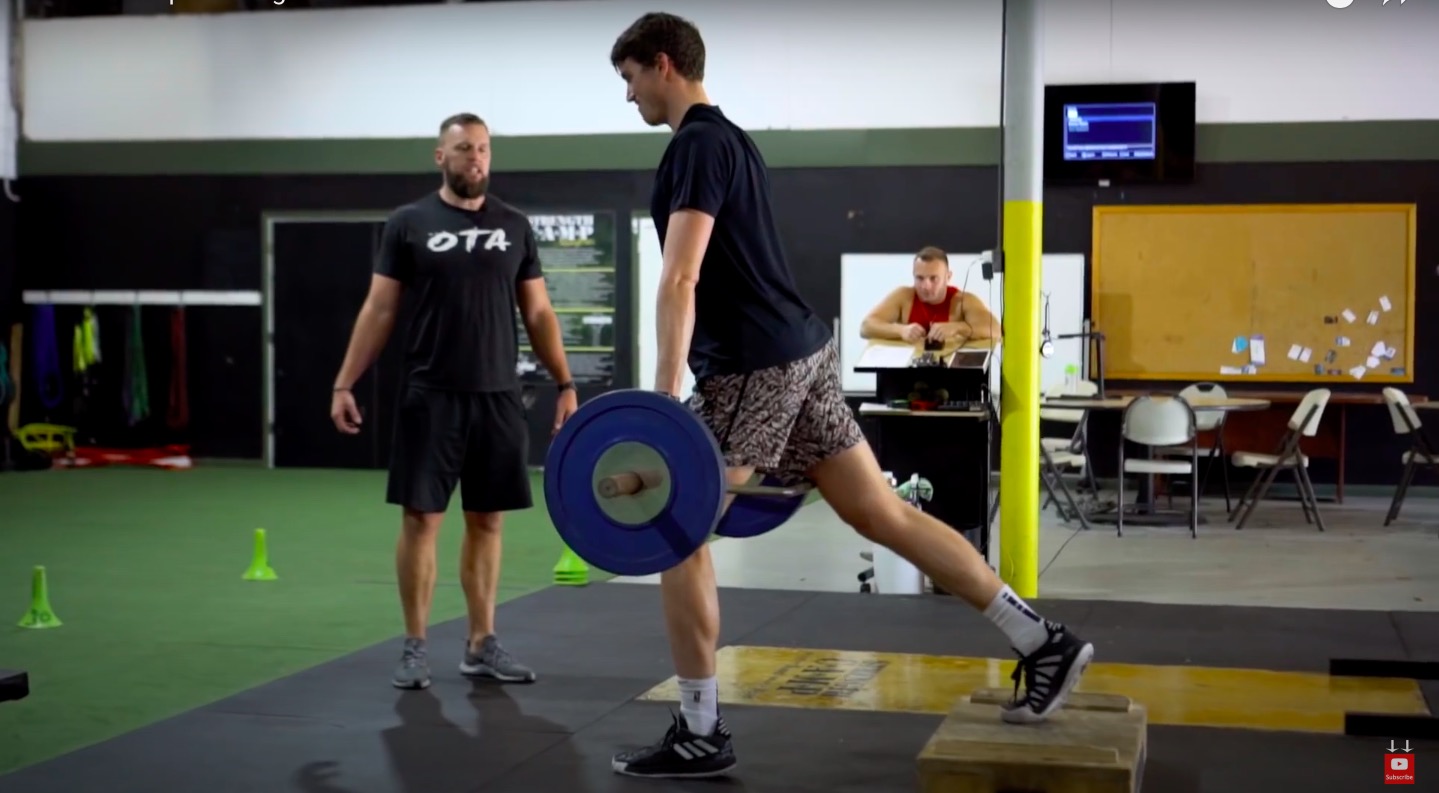
Then add physical contact.
A strong body is better prepared to handle those demands.
One reason many soccer athletes struggle with soft-tissue injuries is that they simply haven’t developed enough strength and tissue capacity to handle the forces they’re exposed to.
Strength training helps build the physical foundation necessary to tolerate those forces.
When you progressively overload the muscles, tendons, and connective tissues, you give the athlete an opportunity to become more resilient.
This doesn’t mean strength training makes an athlete injury-proof. Nothing does.
But a properly designed strength program can help an athlete develop the capacity to handle the demands of their sport.
And this is especially important for the lower body.
Strong hamstrings, glutes, quads, calves, and adductors.
A stronger lower body gives soccer players a much better foundation to sprint, cut, absorb force, and compete.
2. Strength Creates More Lower-Body Power and Explosiveness
Strength is one of the building blocks of power.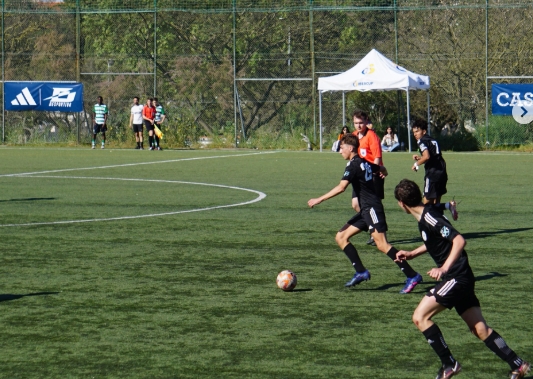
Power is the ability to produce force quickly.
And soccer is filled with explosive actions.
The first three steps to beat a defender.
A sudden acceleration into space.
A powerful change of direction.
Jumping for a header.
Exploding out of a cut.
Closing down an opponent.
Creating separation.
These aren’t endurance movements.
They’re explosive movements that require an athlete to produce high levels of force in a short amount of time.
If an athlete doesn’t have a strong force-producing foundation, there is only so much explosiveness they can develop.
This is why effective soccer training shouldn’t separate strength and explosiveness.
You build the foundation with strength, then teach the athlete to express that strength through jumps, sprints, plyometrics, medicine ball work, and other explosive movements.
Strength gives you the horsepower. Explosive training teaches you how to use it.
That’s why our approach isn’t simply about making athletes stronger.
It’s about turning strength into athletic performance.
3. More Force Production Can Improve Speed and Cutting Ability
Want to get faster?
You need to be able to produce force.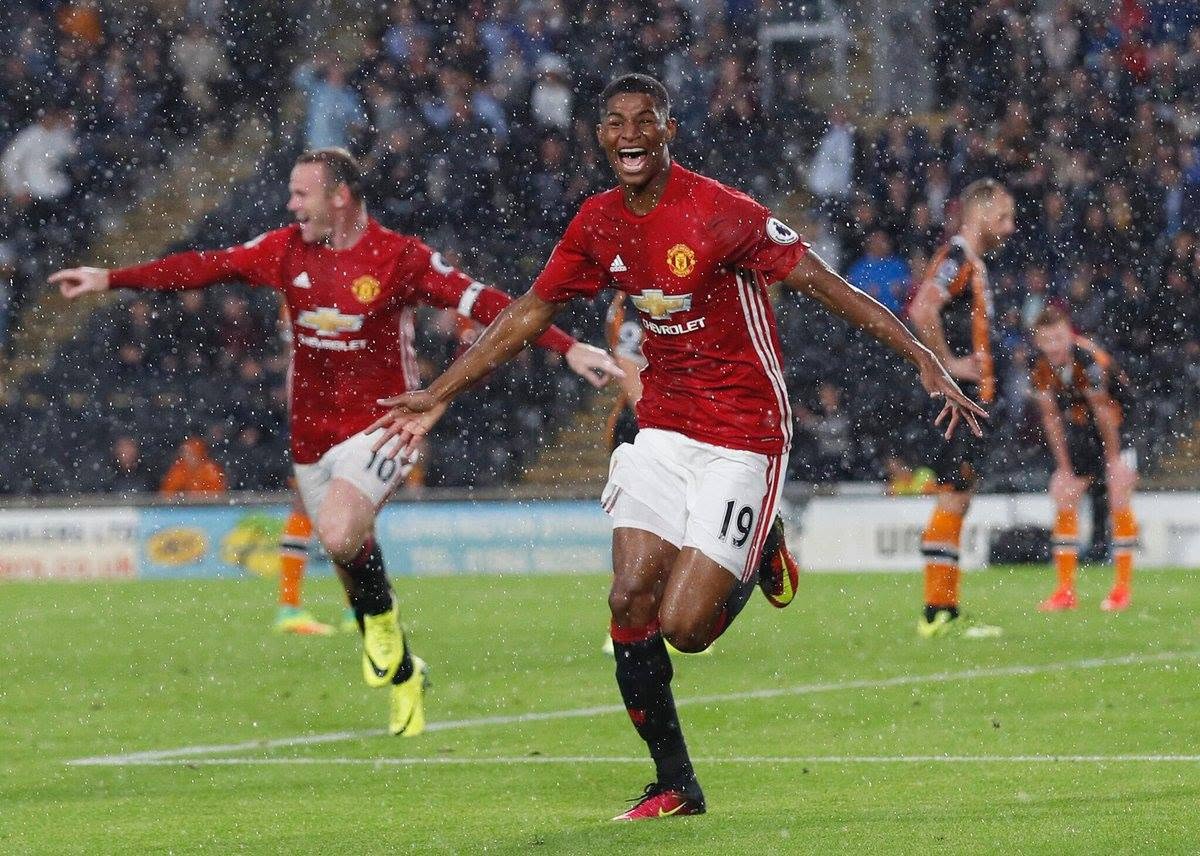
Every step during acceleration requires you to push into the ground and create a reaction force that moves your body forward.
The same concept applies when changing direction.
An athlete has to absorb force, control their body, reposition, and then produce force in a new direction.
The stronger the athlete’s lower body is, the greater their potential to produce and control those forces.
This is where heavy strength training can have a huge impact on soccer performance.
Exercises such as squats, split squats, deadlifts, lunges, and other appropriately loaded movements can develop the foundational strength athletes need to sprint and change direction more effectively.
But there’s an important distinction:
We aren’t trying to turn soccer players into powerlifters.
We’re using strength training as a tool to make them better athletes.
The goal isn’t to chase a bigger squat just to say you have a bigger squat.
The goal is to develop the physical qualities that transfer to the field.
More strength, force production, and explosiveness.
Better acceleration, deceleration, and cutting ability.
Greater durability.
That’s what effective soccer training should look like.
Stop Being Afraid of Getting “Bulky”
The fear that heavy strength training automatically makes soccer players slow or bulky is simply outdated.
Athletes don’t accidentally become huge from lifting heavy weights a few times per week.
Building significant muscle mass requires years of consistent training, sufficient nutrition, and a deliberate hypertrophy-focused program.
For most soccer players, properly programmed strength training will help them become stronger without sacrificing athleticism.
In fact, the opposite can happen.
A stronger athlete who knows how to express that strength can become faster, more explosive, and more physically dominant.
The key is proper programming.
Heavy strength work should be combined with sprinting, plyometrics, change-of-direction training, mobility, conditioning, and soccer-specific work.
It’s not strength versus speed.
It’s strength FOR speed.
Final Thoughts
Soccer players don’t need less strength training because they’re soccer players.
They need better strength training.
A complete soccer training program should develop the entire athlete—not just their conditioning.
Build a stronger lower body.
Develop the ability to produce and absorb force.
Increase explosiveness.
Improve acceleration and cutting ability.
Build a body capable of handling the physical demands of the sport.
Because the goal isn’t simply to survive 90 minutes.
The goal is to be the fastest, strongest, most explosive, and most durable athlete on the field.
That’s exactly what we focus on in our Soccer Performance Program.
If you’re serious about taking your game to the next level, train to become a better athlete.
Join our Soccer Performance Program and start building the strength, speed, power, and explosiveness you need to perform at your highest level.
