
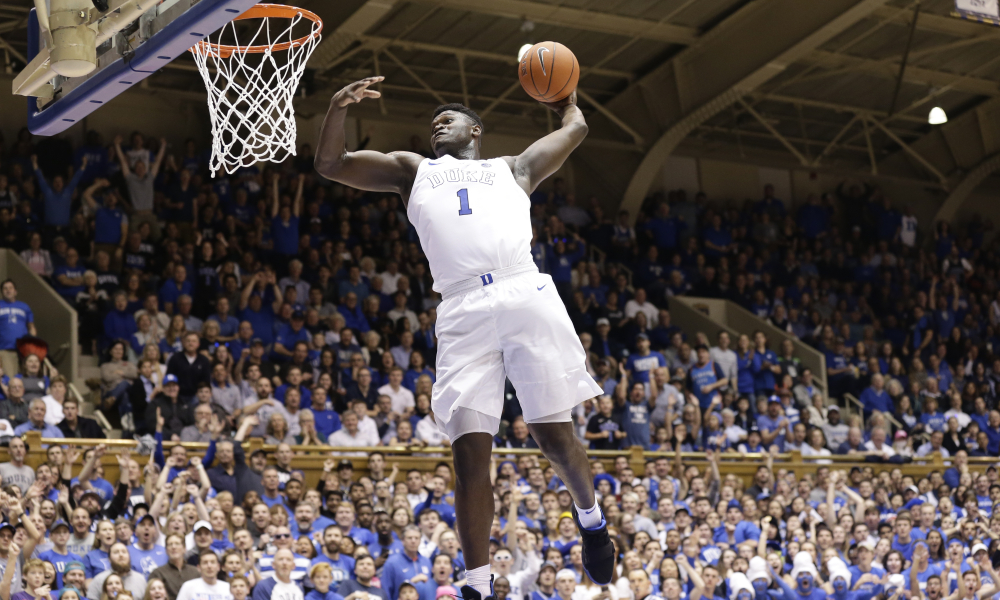
Why Basketball Players Should Lift Weights: Build Strength, Power & Athleticism
There’s a problem we see far too often in basketball training.
Young players spend hours working on their jumper, handle, finishing, and game skills—but when it comes to getting in the weight room, suddenly there are excuses.
“I don’t want to get bulky.”
“Lifting will make me slow.”
“I just need to work on my basketball skills.”
Here’s the truth:
If you want to become a better basketball player, you need to become a better athlete.
Skill development will always be a massive part of basketball. You need to shoot, dribble, play often, and to develop your basketball IQ.
But if you’re doing all of that while another player is developing the exact same skills and becoming stronger, faster, more explosive, and more durable, you’re eventually going to have a problem.
The game doesn’t reward you for only being skilled.
It rewards you for being able to express those skills at a high level against other athletes. Make sure you see our previous article on why basketball players need a structured training plan!

The “Lifting Will Make Me Bulky” Myth
One of the biggest reasons young basketball players avoid strength training is the fear that lifting weights will make them too big and slow.
This is one of the most misunderstood concepts in basketball training.
A properly designed strength program isn’t designed to turn a basketball player into a bodybuilder.
We’re not trying to add as much bodyweight as possible.
We’re trying to build the right kind of athlete.
Strength training can help a basketball player develop greater force production, improve their ability to accelerate and decelerate, increase power, and build a more durable body.
And if an athlete does gain some quality muscle mass along the way?
That’s not a bad thing.
A stronger frame can help you absorb contact, hold position, finish through defenders, and handle the physical demands of a long season.
The goal isn’t to get “big.”
The goal is to get better.
Basketball Is a Skill Sport—But Athleticism Still Matters
Basketball is one of the most skill-dependent sports in the world.
That’s why so many players believe the answer to getting better is simply doing more basketball work.
And yes, you absolutely need to train your skills.
But there’s a ceiling to how much skill alone can separate you from the competition.
Imagine two players who spend the same amount of time developing their basketball skills.
Both improve their shooting, handles, and finishing.
But Player A also spends the year developing strength, speed, power, and explosiveness.
Player B doesn’t.
Eventually, Player A has a different physical toolbox.
He’s faster getting downhill, jumps higher, absorbs more contact, creates more separation, can stop and change direction more violently, finish’s through contact, and harder to move defensively.
Same skill development. Better athlete.
That’s the advantage.
Strength Is the Foundation for Force Production
If you want to jump higher, you need to be able to produce more force.
Think about a player trying to dunk.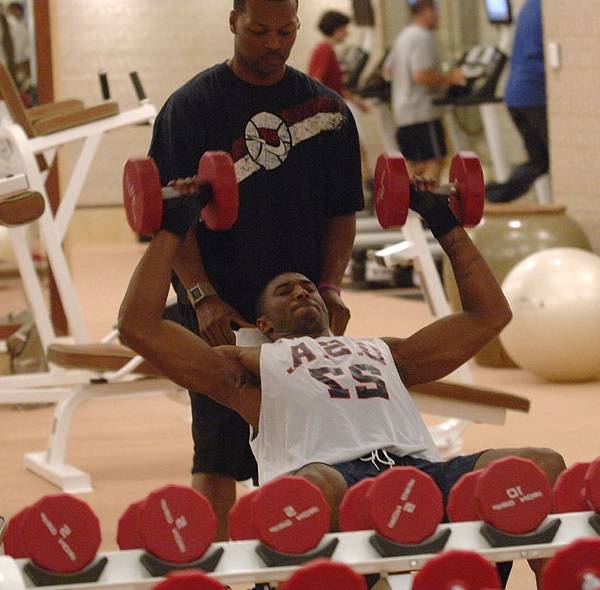
The goal is to take the body and accelerate it vertically as quickly as possible. That requires tremendous force production through the lower body.
The same concept applies to almost everything explosive in basketball.
Want a faster first step? Accelerate faster? Explode out of a crossover? Jump higher?
You need to produce force.
Strength training helps increase the athlete’s capacity to produce that force.
That’s why basketball training shouldn’t just consist of shooting and cone drills. Developing the physical qualities underneath those skills is critical.
Strength Helps You Get Faster and Cut Harder
Here’s another misconception:
Strong does not mean slow.
In fact, developing strength is one of the most important pieces of building an explosive athlete.
Basketball is filled with short bursts of acceleration and violent changes of direction.
You’re constantly:
- Accelerating
- Decelerating
- Cutting
- Jumping
- Landing
- Reaccelerating
- Fighting through contact
Every one of those movements requires you to interact with the ground and produce or absorb force.
If your body isn’t strong enough to handle those forces, you’re leaving performance on the table.
Good basketball training develops an athlete’s ability to produce force, absorb force, and redirect force quickly.
That’s what allows you to turn strength into speed and explosiveness.
Strength Builds a More Durable Basketball Player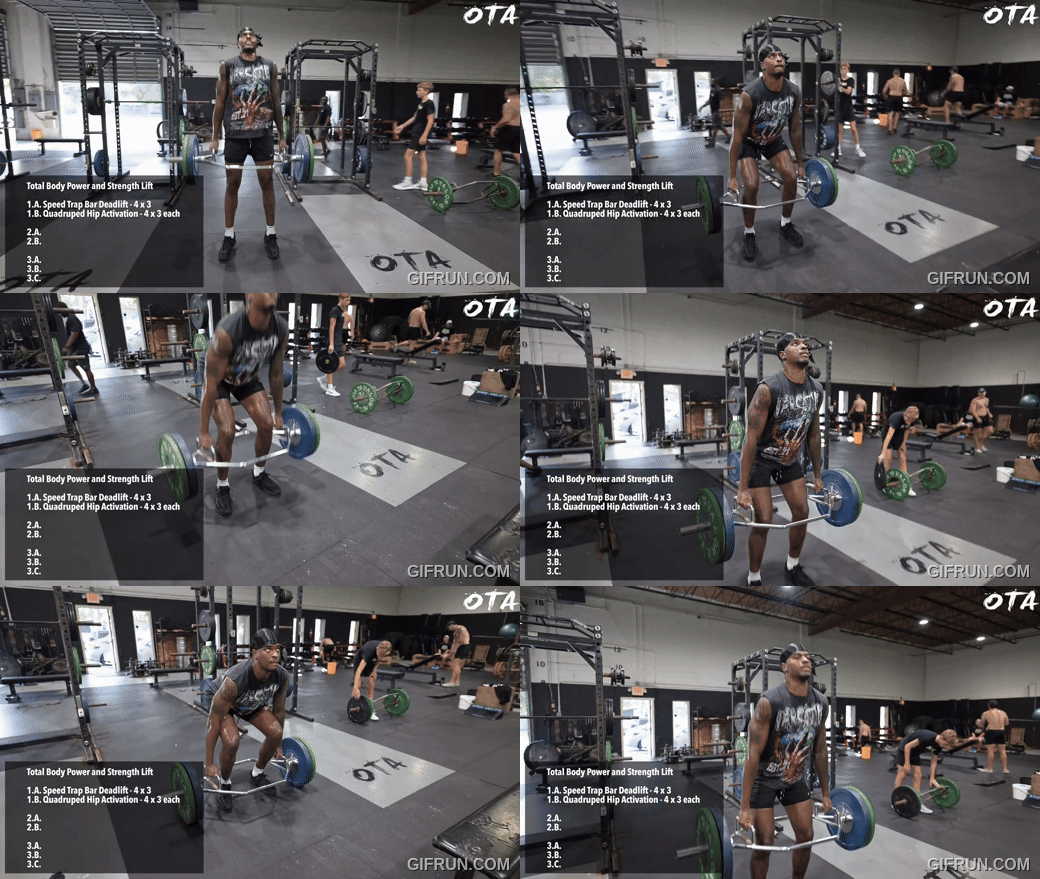

Basketball isn’t easy on the body.
You jump repeatedly. You sprint. Stop suddenly. Land. Absorb contact. Fight for position. You play game after game throughout a long season.
Your body needs to be prepared for that.
Strength training helps build a stronger, more robust athlete who is better prepared to handle the physical demands of basketball.
This isn’t about promising that lifting weights will make you injury-proof.
Nothing can do that.
But if you want to consistently perform at a high level throughout an entire season, you can’t neglect the physical development of your body.
You need a body capable of handling the game you’re asking it to play.
Look at What Happened With Emir
Our athlete Emir is a great example of what can happen when a basketball player commits to developing the entire athlete.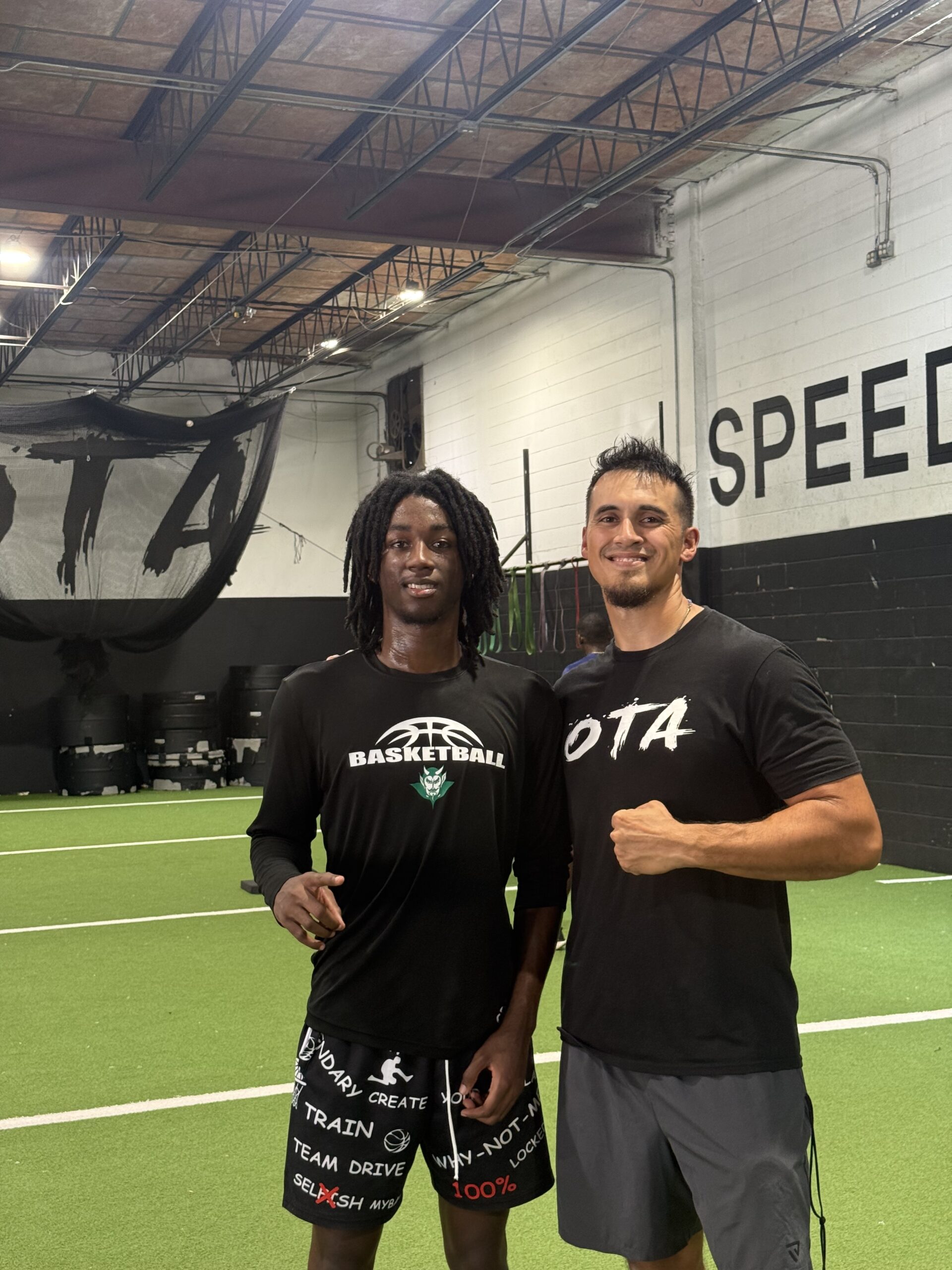
When Emir started training with us about a year ago, he already had some impressive qualities.
He was fast and very explosive.
But he was also on the smaller and weaker side physically.
Over the next year, we made strength development a major part of his basketball training.
The result?
His trap bar max nearly doubled.
But here’s what matters most:
His athletic performance improved too.
His vertical numbers went up and speed numbers improved.
He didn’t become the slower athlete most are afraid of becoming.
He became a bigger, stronger, faster, more explosive athlete.
Now he’s heading into his first year of college basketball with a much more complete physical profile.
That’s what effective basketball training should accomplish.
You’re not replacing skill development.
You’re building the physical foundation that allows those skills to show up at a higher level.
Stop Training Like a Basketball Player. Start Training Like an Athlete.
If you’re serious about basketball, you can’t afford to ignore the weight room.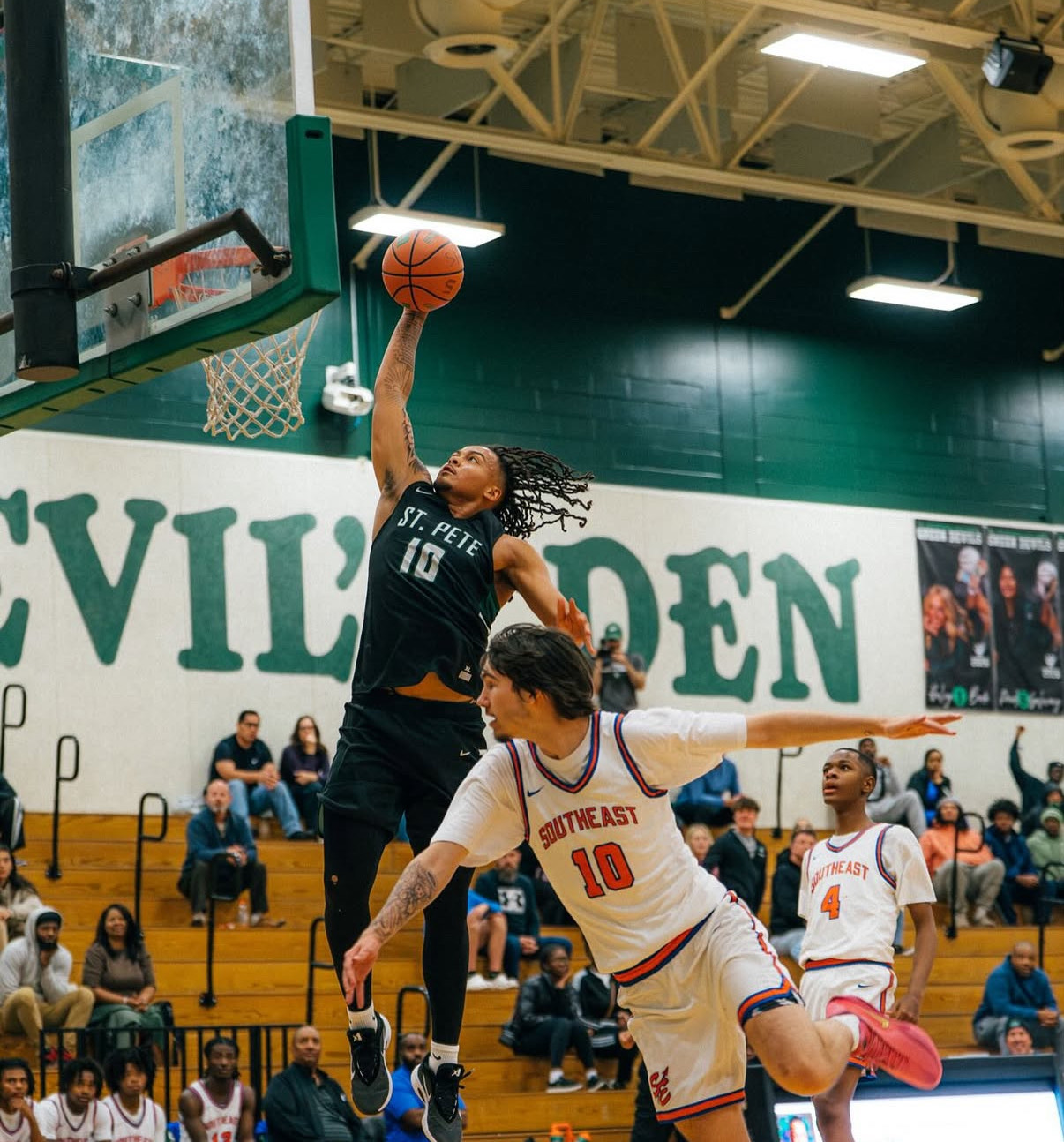
You don’t have to choose between skill development and strength training.
You need both.
Keep getting shots up. Working on your handles.
But at the same time, build the athlete underneath the skill.
Get stronger, faster, and more explosive.
Build a body that can handle contact and the demands of a long season.
Because the competition isn’t waiting for you.
The player you’re competing against may be putting in the same hours on the court while also putting in the work in the weight room.
And eventually, that difference shows up.
Final Thoughts
The best basketball players aren’t simply skilled.
They’re skilled athletes.
Strength training can help you produce more force, jump higher, accelerate faster, cut harder, absorb contact, and become more physically prepared for the demands of the game.
And no, lifting weights isn’t going to automatically make you bulky or slow.
Bad training can make you worse. Good training makes you better.
If you’re serious about reaching your potential, basketball training needs to include more than just basketball.
That’s exactly why we created our Built 2 Ball basketball performance program.
Built 2 Ball is designed to develop the physical qualities basketball players need to dominate their sport: strength, speed, power, explosiveness, and athleticism.
Don’t just become a more skilled basketball player.
Become the athlete that your skill deserves.
