The BEST Leg Day Warm Up Routine for Athletes
One of the things I’ve learned coaching athletes is this:
Most athletes struggle with mobility and avoid working on it altogether.
They skip mobility and rush their warmup. Then they wonder why their squat feels tight, their hips feel locked up, or their deadlift feels off.
Athletes need to have a proper leg day warm up they can perform consistently.
You don’t need a 30-minute to an hour-long yoga session to work on flexibility. You need a focused, intentional sequence that works up the entire kinetic chain — ankles, knees, hips, pelvis, and spine — that can be done in about 10–15 minutes so the athlete can get right to work.
These are some of my favorite movements that I consistently program for my athletes. Nothing overly complicated, just consistent. See my article on low back pain in athletes and what to do for it!
Why Mobility Matters (Without Taking Forever)
Mobility isn’t about being flexible for the sake of it. It’s about getting into strong, efficient positions under load. Flexibility is the range of motion you have. Mobility is the range of motion you can control.
If your ankle doesn’t dorsiflex, your knees cave. Hips have trouble moving well, then the low back is forced to compensate.
A great leg day warm up should:
- Improve range of motion
- Reinforce good movement patterns
- Prepare the nervous system
And it should do all that without draining you before your first working set.
This routine checks every box.
Phase 1: Static Mobility (Open What’s Tight)
We start with targeted static stretches to address the most common restrictions I see in athletes: ankles and hips.
1. Banded Ankle Stretch (1–2 minutes each side)
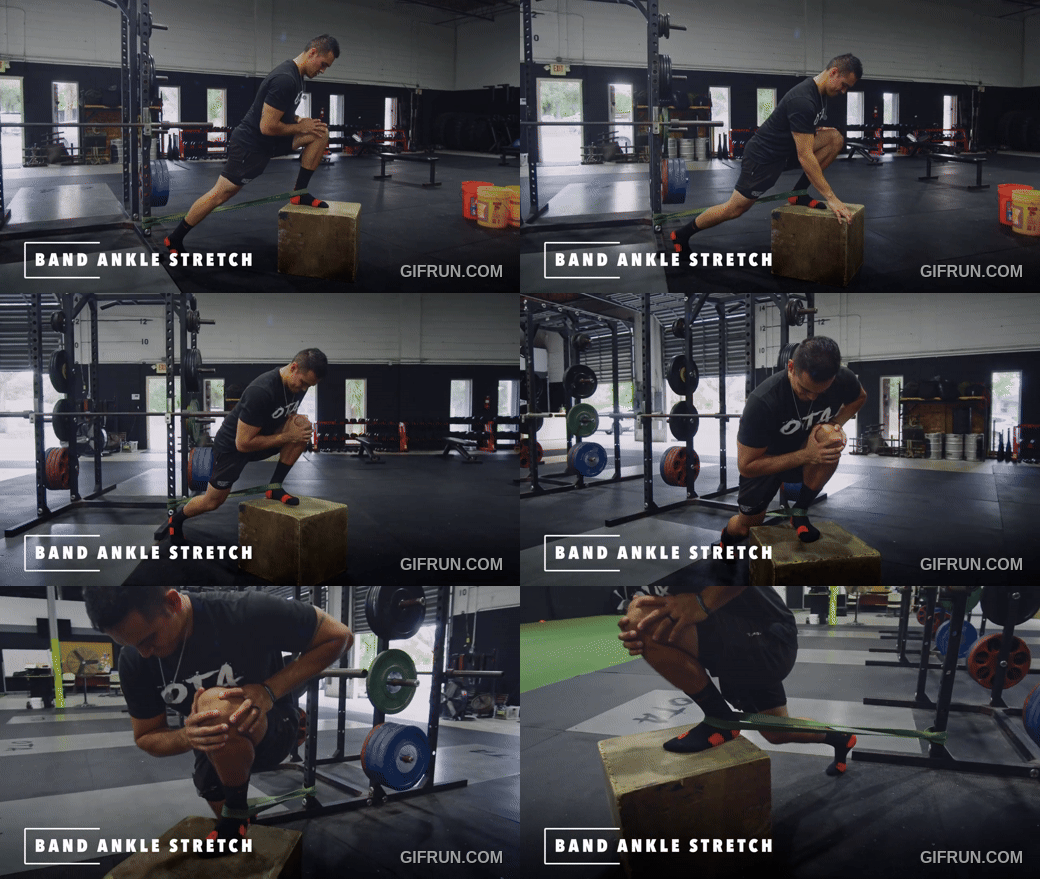
Limited ankle dorsiflexion is one of the biggest reasons athletes struggle with squat depth and knee tracking.
When the ankle can’t move forward, the body compensates — usually by collapsing the knees or leaning excessively through the torso. I had limited ankle dorsiflexion, and once I improved my ankle mobility, my squat improved.
This stretch helps:
- Improve ankle dorsiflexion
- Increase range of motion
We always look at building athletes from the ground up, so everything starts from the feet. If you want a better squat, start at the ankle.
2. Couch Stretch (60 seconds each side)

Athletes sit more than they think. They’re usually sitting in school, in the car, at home. Tight hip flexors and quads limit hip extension and mess with pelvic positioning.
The couch stretch targets:
- Quads
- Hip flexors
- Knee flexion range
- Anterior pelvic tightness
If your hips can’t extend properly, your glutes can’t fire properly. That matters when you’re squatting or deadlifting.
3. Pigeon Stretch (60 seconds each side)
This opens up hip external rotation and reduces tension through the piriformis and low back.
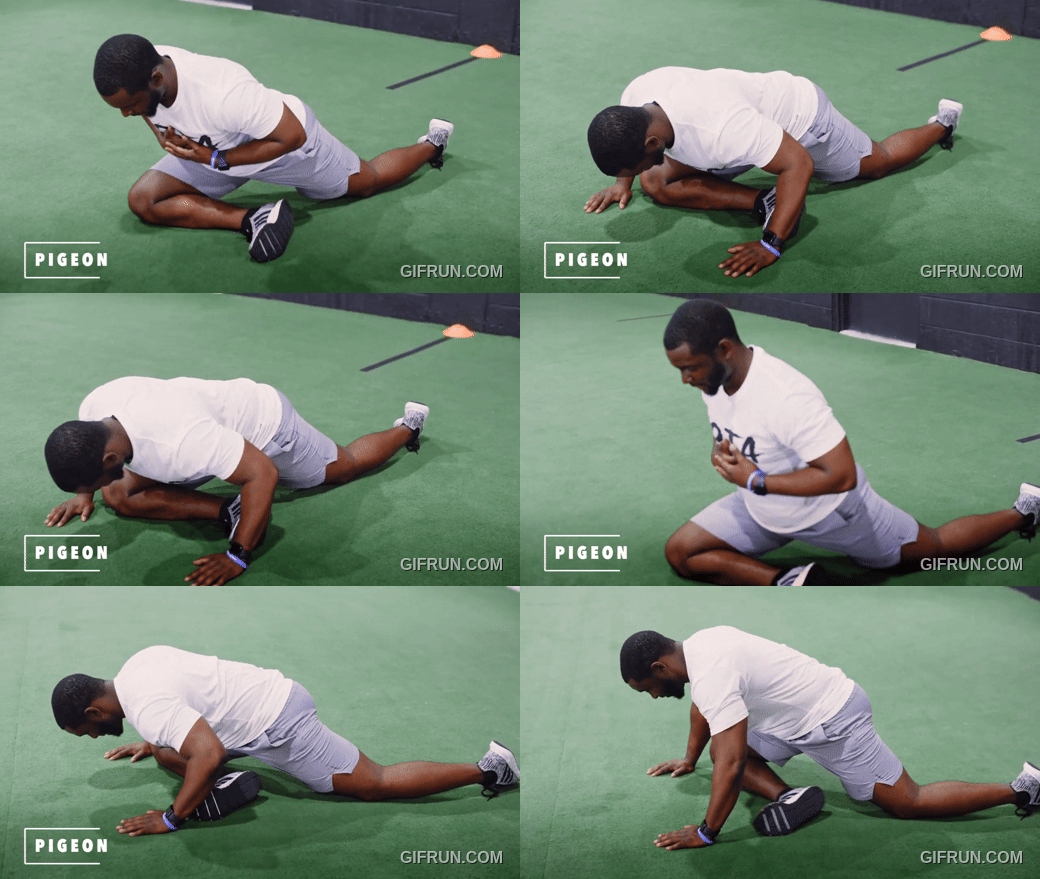
A lack of hip rotation often shows up as:
- Knee cave
- Shift in the squat
- Low back discomfort
Opening up external rotation gives the hips the freedom they need to move without compensation.
Phase 2: Dynamic Mobility (Own the Range)
Static stretching creates range.
Dynamic work teaches you to control it.
This is where we turn mobility into usable movement.
4. Groiners (5–10 reps each side)
Groiners are a staple.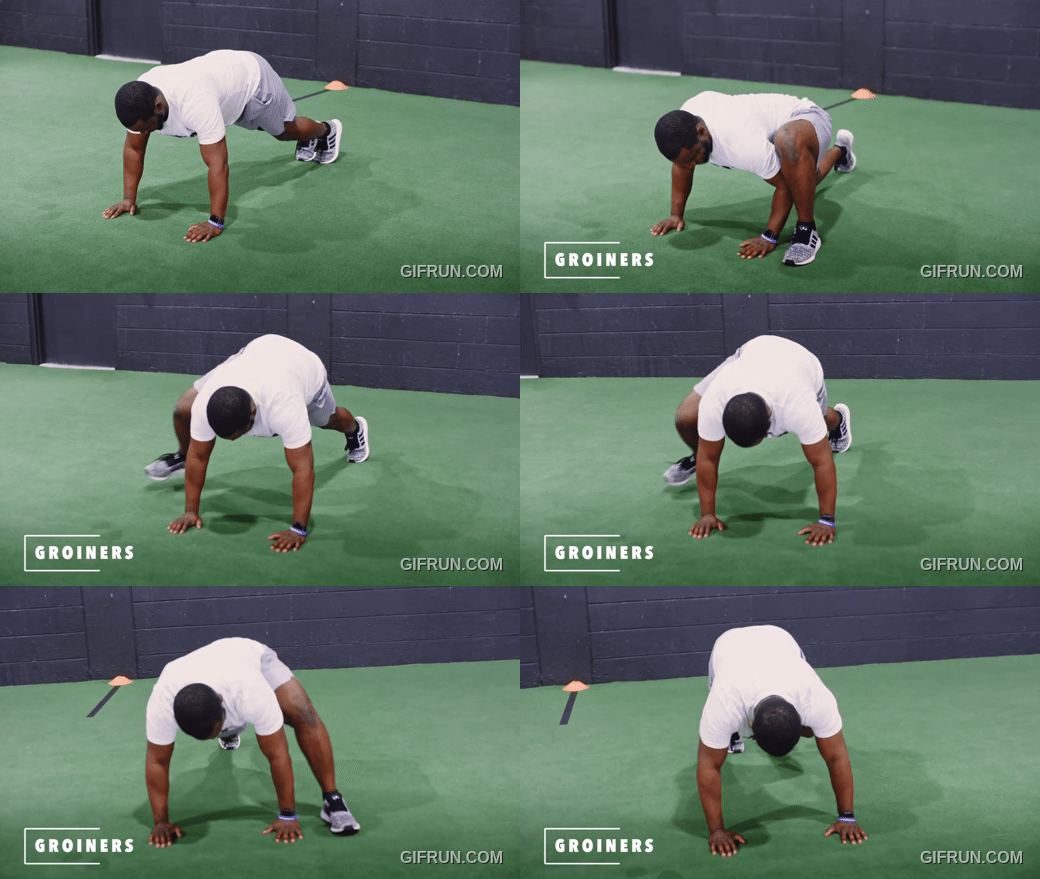
They dynamically stretch the hip flexors and adductors while reinforcing athletic lunge positions.
The groiner stretch helps:
- Open the hips
- Improve adductor mobility
- Prepare for deep squat positions
5. 90/90 Hip Rotations (5–10 reps each side)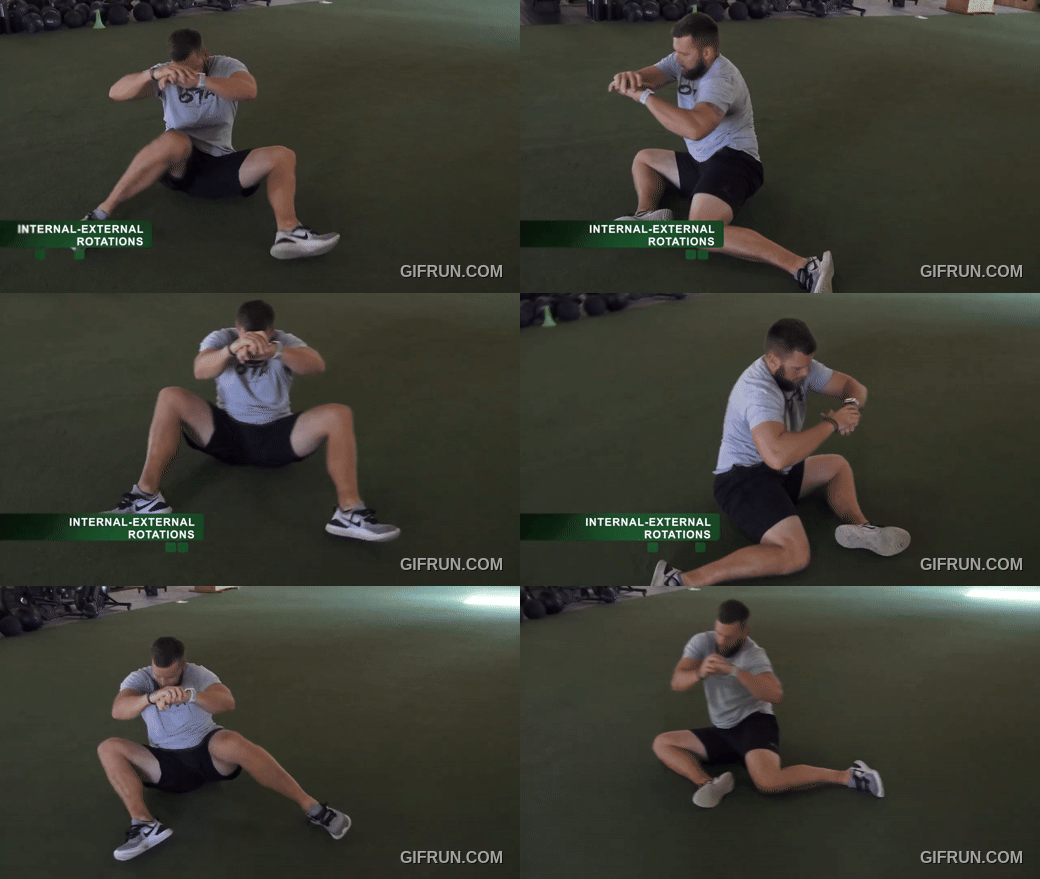

This is a terrific movement for getting the athletes to move their hips through full ranges of motion. Athletes need both internal and external rotation of the hips.
90/90 rotations move the hips through full rotation while teaching control through full range of motion.
If the hips can’t rotate both internally and externally efficiently, the knees and back pay the price.
6. Rollover Reach (10 reps)
The hips and spine work together. You can’t prepare one and ignore the other.
The rollover reach dynamically stretches the spine and opens the hips simultaneously. Great stretch for the flexion of the spine and especially athletes lower back.
7. Cat/Camels (10–20 reps)
Your spine plays a major role in both squatting and deadlifting. Before loading neutral, we need to move through controlled flexion and extension.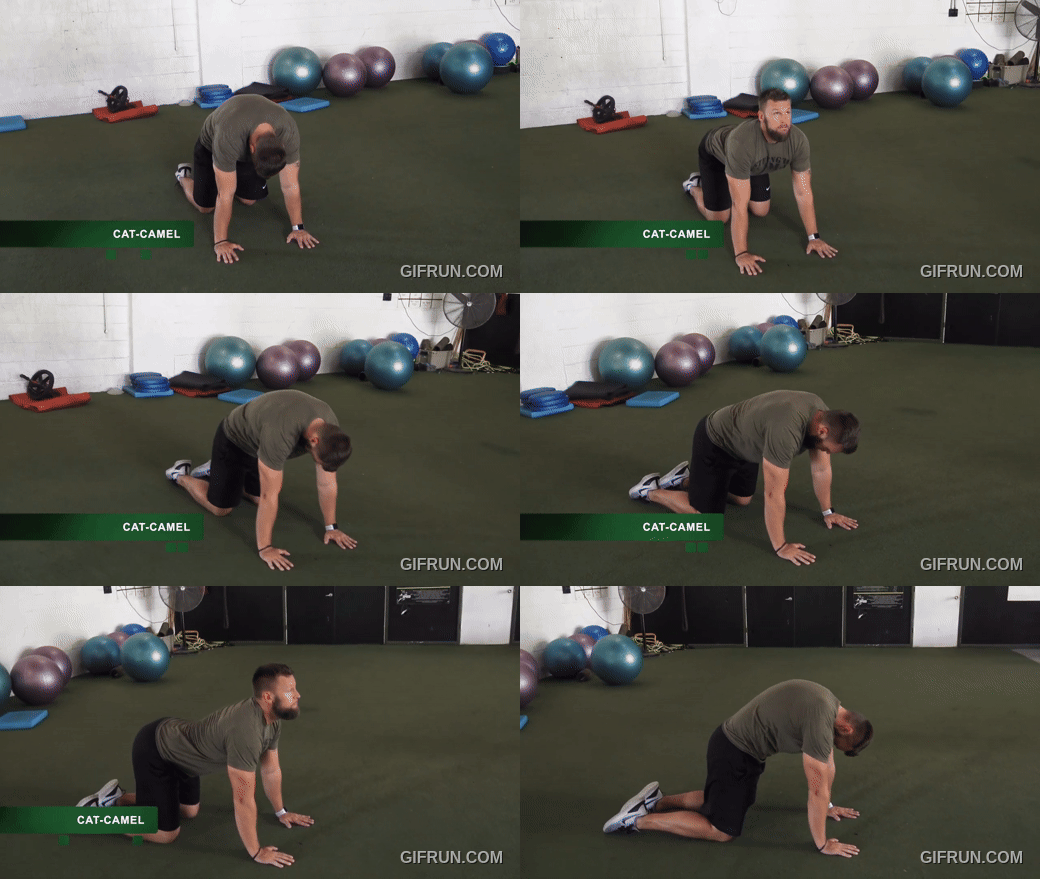
Cat/Camels help:
- Improve spinal mobility
- Reinforce pelvic control
- Increase core awareness
It teaches the athlete how to feel and control spinal position. Don’t let athletes just go through the motions here. They need to perform this with intent.
8. Hip Airplanes (5-10 controlled reps each side)
This is where mobility meets stability.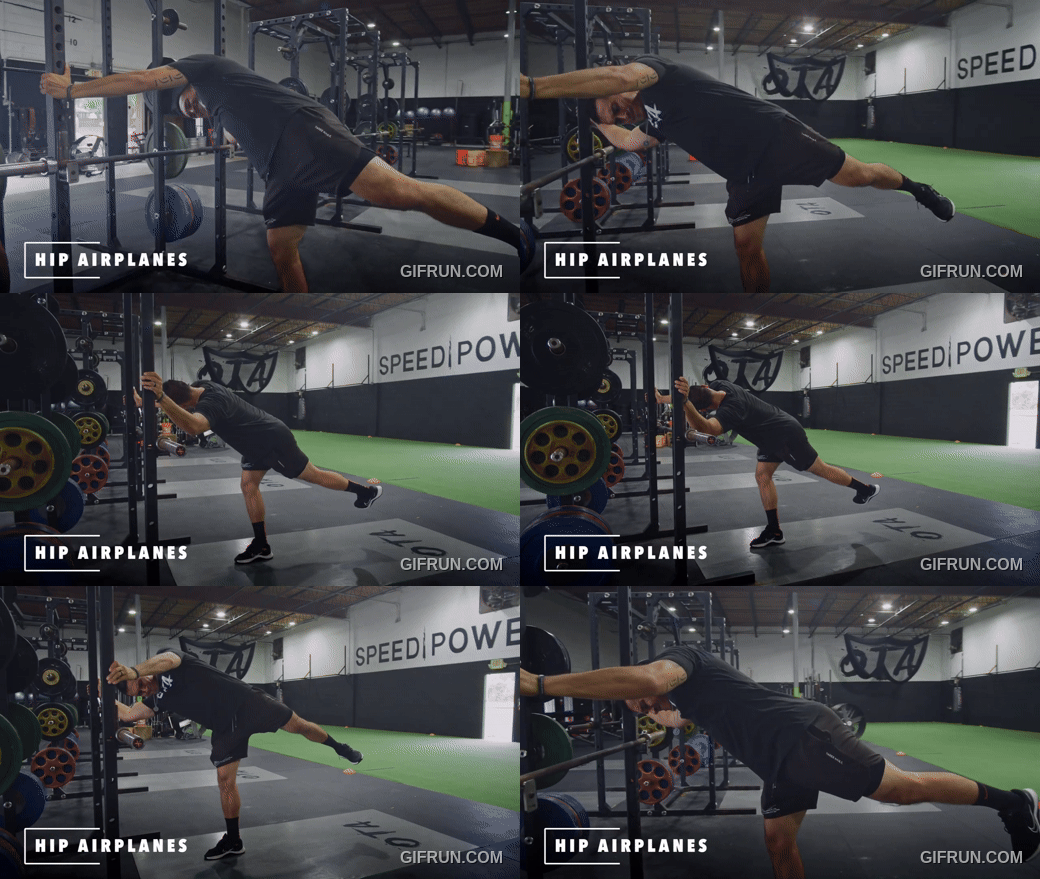
Hip airplanes require you to balance on one leg while actively opening and closing the hip through internal and external rotation.
To modify for athletes, they can do this movement with hands on a rack or wall for support. This way they can focus on the movement of the hips rather than balancing.
These help:
- Glute activation
- Single-leg stability
- Pelvic control
- Active hip mobility
If you can’t control your pelvis on one leg, your bilateral squat will eventually show it.
Why This Leg Day Warm Up Works
This routine isn’t random.
It flows through the entire kinetic chain:
- Ankles
- Knees
- Hips
- Pelvis
- Spine
And progresses from:
- Static flexibility
- Dynamic mobility
- Active stabilization
By the time you reach your first working set, your joints are open, your glutes are firing, and your nervous system is ready to produce force.
Whether you or your athletes are back squatting, front squatting, deadlifting, or performing unilateral work, this leg day warm up helps prepare to train at a higher level.
How to Implement It Efficiently
Total time: 10–15 minutes.
That’s it.
You don’t need more.
Move with intention.
Don’t rush reps.
Own every position.
If you’re short on time, trim static stretches to 45 seconds and keep the dynamic work crisp and controlled.
Consistency matters more than duration.
Final Thoughts
At Overtime Athletes, I’ve seen the difference this makes.
Athletes who take their leg day warm up seriously perform their sessions at a much higher level.
The better you warm up, the better you perform.
If you want stronger squats, more powerful deadlifts, and long-term durability, stop skipping the preparation phase.
Make this leg day warm up a non-negotiable part of you or your athlete’s training and watch the performance level up.