

The BEST Hamstring Exercises for Fast and Explosive Athletes
If you want to run faster, jump higher, and lower risk of injury, then developing strong hamstrings is a must. These muscles are vital for speed, power, and athletic durability. That’s why today, we’re breaking down the BEST hamstring exercises for fast and explosive athletes, plus why hamstring training is crucial for performance and injury prevention.
Please also go check out our previous article sharing our coaches guide for developing linear speed!
Why Hamstring Strength Matters for Athletes
Your hamstrings are the powerhouse behind acceleration, top-end speed, and explosive movements like sprinting, jumping, and cutting. They’re not just the muscles on the back of your legs. They’re extremely necessary in order for an athlete to reach their full explosive and speed potential.
Strong hamstrings improve:
- Top speed mechanics: Hamstrings control hip extension and knee flexion, helping you generate maximum stride length without compromising form.
- Explosiveness: Every jump, sprint, and sprint-to-cut requires rapid hamstring engagement. Weak hamstrings limit power output.
- Injury prevention: Hamstrings are notorious for strains, especially in athletes who sprint and change direction often. Properly trained hamstrings act like shock absorbers, keeping you on the field instead of in the training room.
If you’re serious about athletic performance, then prioritize your hamstring training. But it’s not just about lifting heavy—it’s about training smart with exercises that target both strength and stability that helps with athlete’s speed.
The BEST Hamstring Exercises for Athletes
Here’s a list of hamstring exercises we believe are the best to add in any athletes programming to build strength, explosiveness, and resilience. These are exactly what we program in our own speed programs to create faster, stronger, and more durable athletes. These aren’t in any specific order:
1. Nordic Hamstring Curl

The Nordic hamstring curl is king for eccentric hamstring strength. This exercise forces your hamstrings to slow down your body under load, which is exactly what they do when decelerating during sprints or cuts.
Key cues:
- Kneel and secure your feet. You can do these with a partner.
- Slowly lower your torso while resisting the fall with your hamstrings.
- Control the descent, use your hands lightly to catch yourself, and reset.
Eccentric strength reduces hamstring strain risk and improves your ability to decelerate, accelerate, and stay explosive under load.
2. Swiss Ball Hamstring Curl (Bilateral & Unilateral)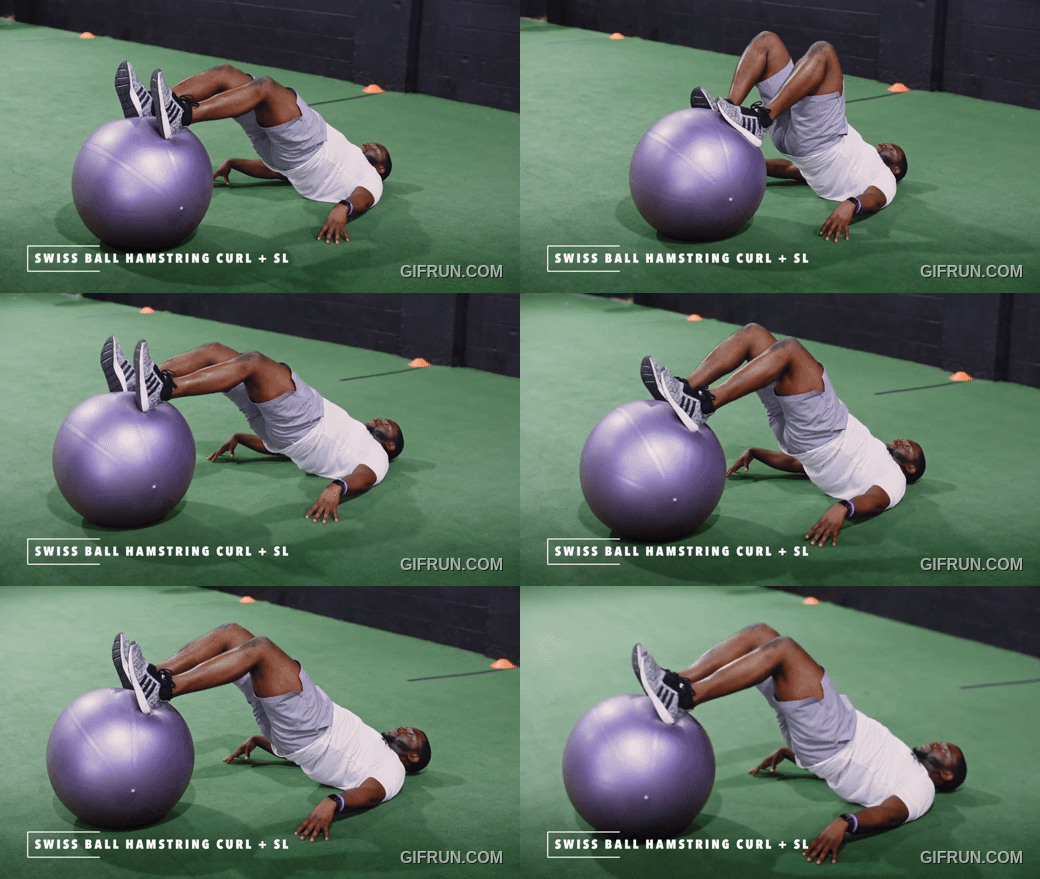

Swiss ball curls target both hamstrings and glutes, hitting the muscles in a fully stretched position. Going unilateral increases stability and balances strength between legs.
How to perform:

- Lie on your back with your heels on a Swiss ball.
- Lift hips, then curl the ball toward your glutes.
- For unilateral, use one leg at a time for extra load and balance.
Builds both concentric and eccentric hamstring strength, improving strength for sprint mechanics and posterior chain coordination.
3. Single-Leg Lying Band Hamstring Curl – Speed Focus
This exercise lets you train hamstrings fast, improving their ability to fire during sprinting.
How to perform:
- Anchor a resistance band to your ankle.
- Lie face down and curl your leg quickly toward your glutes.
- Keep the movement explosive but controlled.
Perfect for speed development and hamstring muscle contraction velocity, because it mimics hamstring action during top-end running.
4. Staggered Romanian Deadlifts
Unilateral movements like staggered RDLs correct imbalances and enhance single-leg stability, which is crucial for cutting, sprinting, and jumping.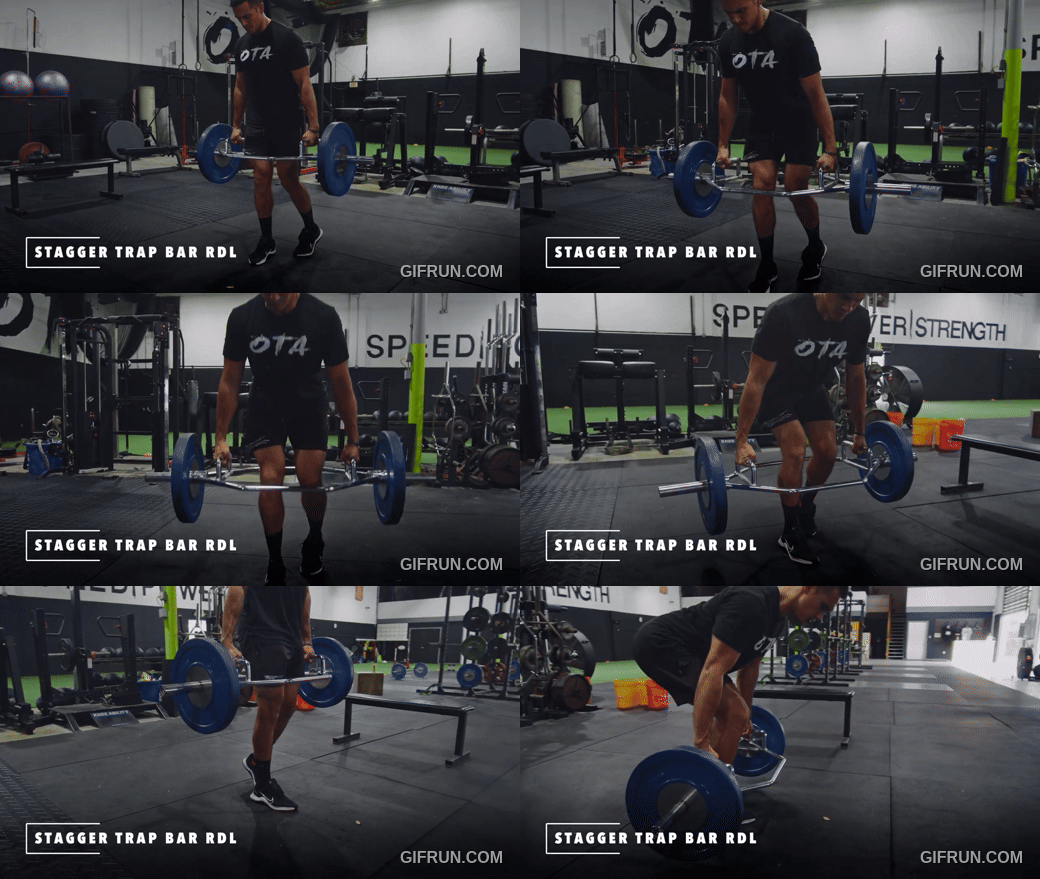
How to perform:
- Place one foot slightly in front of the other.
- Hinge at the hips, lowering the weight toward the floor while keeping your back flat.
- Focus on driving through the glutes and hamstrings to return to standing.
Targets the posterior chain unilaterally, increasing strength and stability while reducing injury risk.
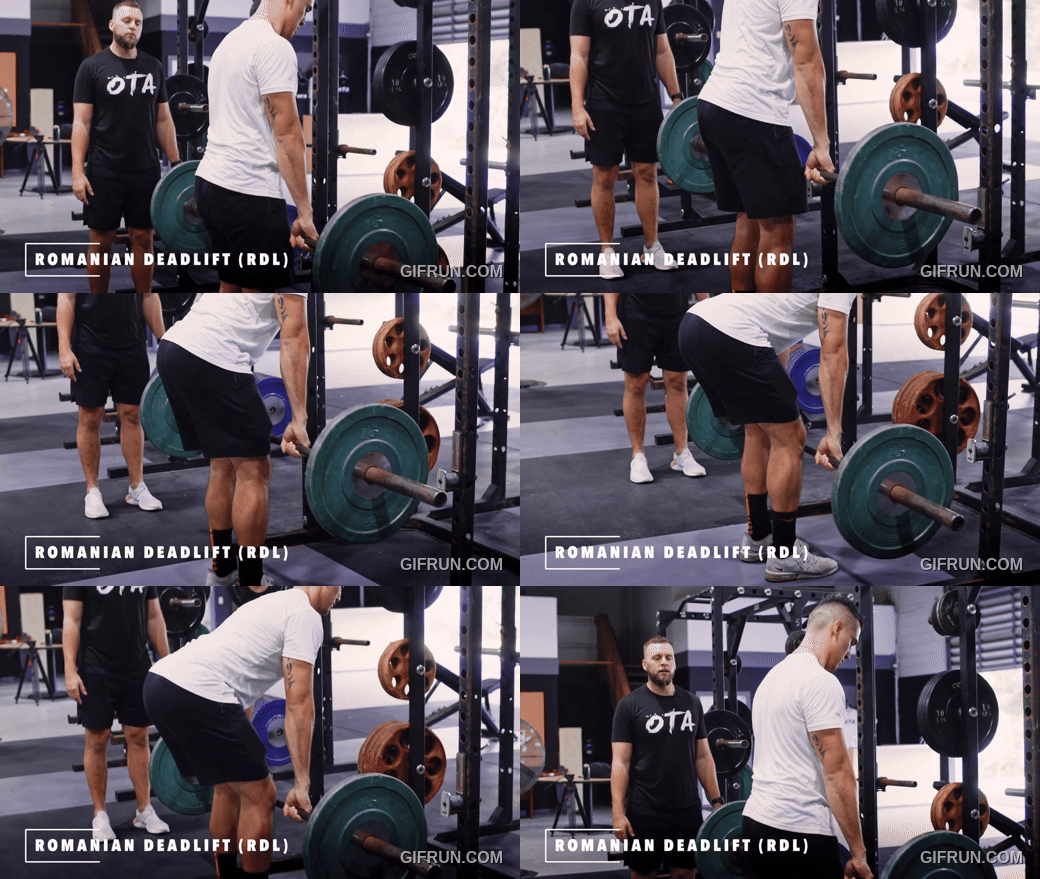
5. Romanian Deadlifts

If there’s one lift you never skip for hamstrings, it’s the Romanian Deadlift (RDL). This exercise builds raw strength in the hamstrings and glutes, while teaching proper hip hinge mechanics.
How to perform:
- Hold a barbell or dumbbells.
- Keep a slight bend in your knees and hinge at the hips, lowering the weight while maintaining a flat back.
- Pull the weight back up by driving your hips forward.
RDLs build mass, strength, and explosiveness in the hamstrings—perfect for sprinting and jumping.
6. Heavy Barbell Hip Thrusts
Hip thrusts are primarily a glute exercise, but strong glutes work in tandem with hamstrings to drive hip extension, which is a critical part of sprinting, jumping, and acceleration.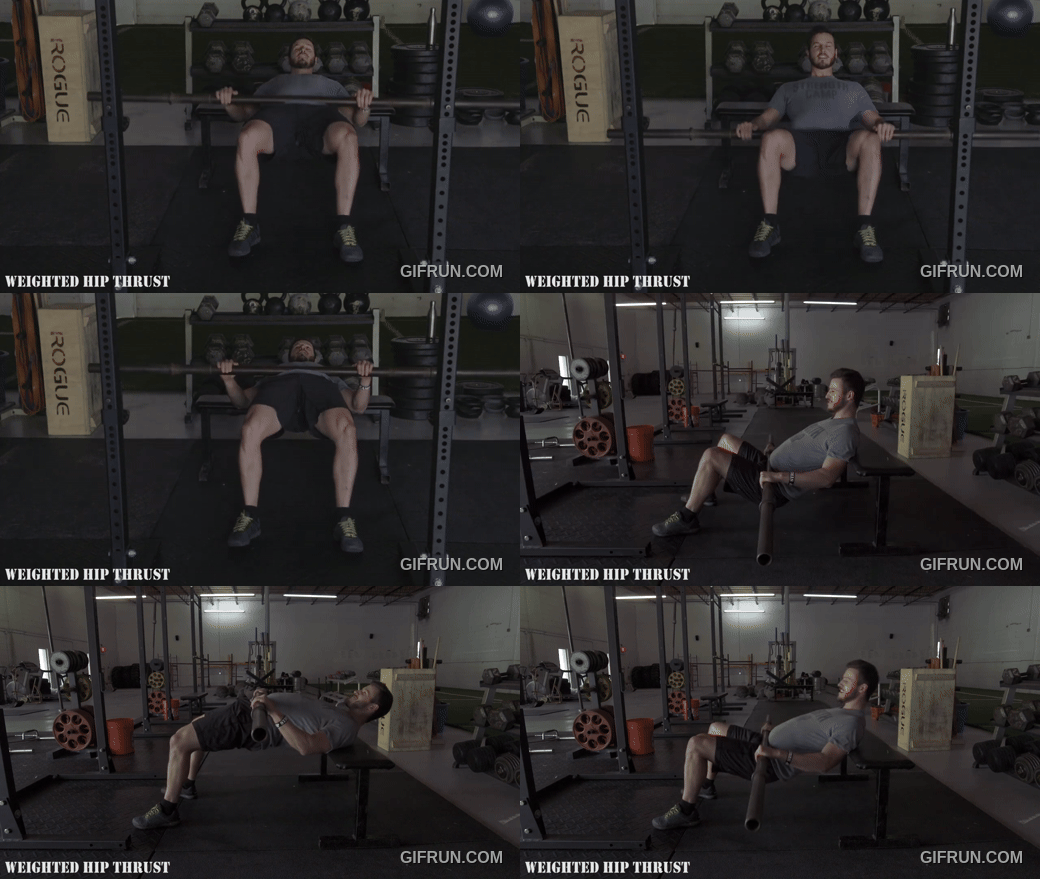
Key cues:
- Shoulder blades on a bench, barbell over hips.
- Drive hips upward explosively, squeezing glutes at the top.
- Control the descent and repeat.
Strong hip extensors improve hamstring function indirectly, helping your posterior chain fire together for maximum athletic output.
Final Thoughts
Strong, explosive hamstrings are essential for speed, power, and injury prevention. Any athletic program should incorporate these strength exercises consistently. Guarantee as these movements are progressively loaded, you’ll notice improvements in top speed, acceleration, and durability on the field.
If you want to take your hamstring strength and speed to the next level, check out the Athletic Speed System. Our program combines progressive strength, explosive plyometrics, and top speed and acceleration to help athletes get even faster and dominate their game while staying injury-free.
