
B
Best Shoulder Exercises for Athletes Who Want Serious Upper Body Strength and Power
When most athletes think about building power, they immediately focus on squats, cleans, sprint work, and vertical jump training. But one area that gets overlooked way too often is shoulder strength.
If you play baseball, softball, volleyball, football, basketball, wrestling, or really any explosive sport, your shoulders take a beating year-round. Throwing, blocking, tackling, striking, swimming, shooting, and overhead movements all demand strong, stable shoulders that can produce force and absorb force safely.
The reality is this:
Weak shoulders limit athletic performance.

Athletes who lack overhead strength usually struggle with power transfer, upper body explosiveness, posture, deceleration, and durability throughout a long season. On the other hand, athletes with strong shoulders typically throw harder, hit harder, move more explosively, and stay healthier.
That’s why overhead strength matters.
We don’t just want to throw athletes under heavy barbells and hope for the best. We build shoulder strength progressively so athletes earn the right to press overhead with power, control, and stability. You can read our previous article on the 5 best upper body movements here!
Here are some of the best shoulder exercises athletes can use to build serious upper body strength and power:
1. DB/Barbell Z Press
The Z Press is one of the best shoulder exercises for athletes because it exposes weaknesses fast.
Sitting on the floor with your legs extended removes the ability to cheat with the lower body. That means your core, posture, shoulder mobility, and pressing mechanics all have to work together.
If an athlete lacks thoracic mobility, trunk stability, or shoulder control, the Z Press will show it immediately.
For athletes, this exercise is huge because it teaches:
- Core stiffness
- Proper overhead positioning
- Scapular control
- Total-body tension
The dumbbell variation is great for beginners because it allows more freedom of movement, while the barbell version challenges overall stability and strength even more.
This is a great starting point before progressing into more advanced overhead pressing patterns.
2. Half Kneeling Single Arm Overhead Press
This is one of the most underrated shoulder exercises for developing athletic overhead strength.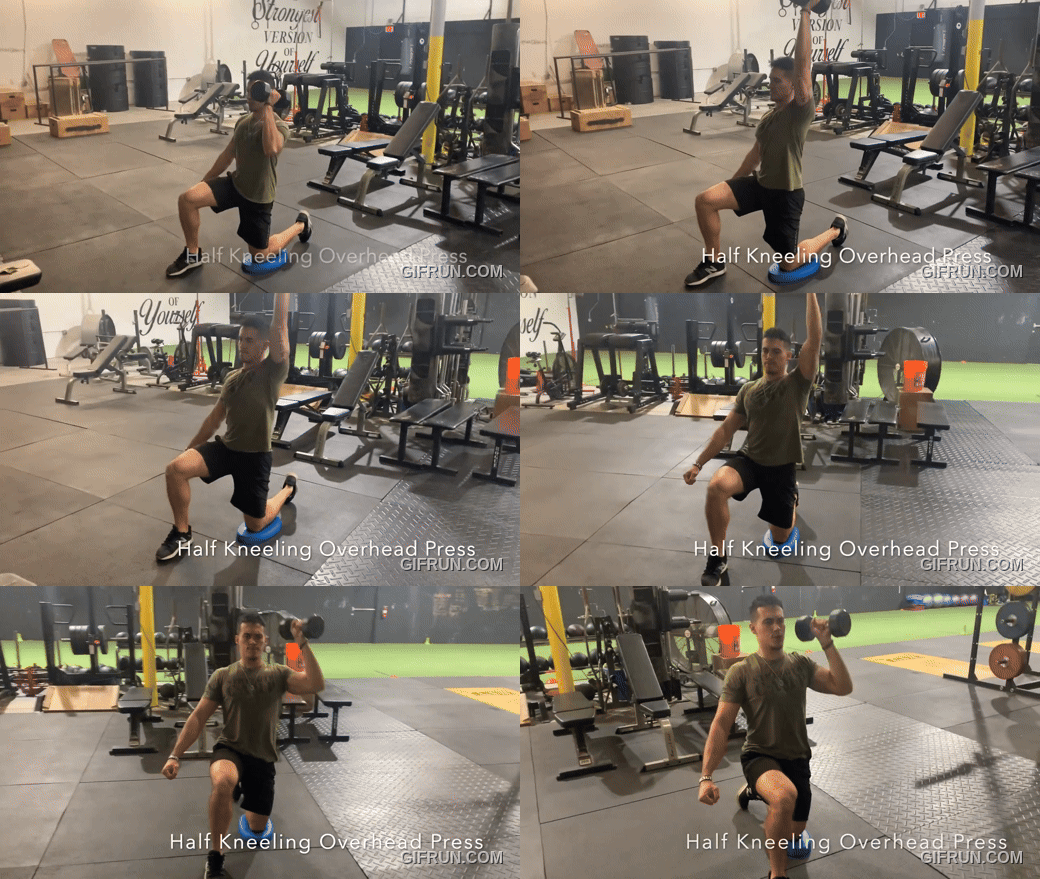
The half kneeling position forces athletes to stabilize through the hips, core, and trunk while pressing overhead with one arm. That combination is incredibly important for rotational athletes like baseball and softball players.
Why?
Because sports are rarely bilateral and perfectly balanced.
Throwing a baseball, swinging a bat, or delivering a volleyball spike all require force transfer through one side of the body at a time.
The half kneeling single arm overhead press teaches athletes to:
- Resist rotation
- Stabilize the pelvis
- Improve shoulder control
- Build unilateral overhead strength
It’s also a safer progression for younger athletes who may not be ready for heavy bilateral pressing yet.
Focus on smooth control, stacked posture, and owning the overhead position.
3. Half Kneeling Landmine Press
The landmine press is a game changer for athletes who struggle with traditional overhead pressing.
Not every athlete has the mobility to safely press directly overhead yet, especially baseball and softball athletes with heavy throwing volumes. The angled pressing path of the landmine press allows athletes to build shoulder strength while placing less stress on the shoulder joint.
The half kneeling variation adds an additional core and hip stability component, making it a perfect bridge between basic stability work and more explosive pressing.
This movement develops:
- Upper body power
- Serratus anterior function
- Core stability
- Scapular upward rotation
- Shoulder durability
For rotational athletes, this exercise carries over extremely well to throwing and striking mechanics.
4. Standing Landmine Press
Once athletes master the half kneeling variation, it’s time to take the training wheels off and move to standing patterns.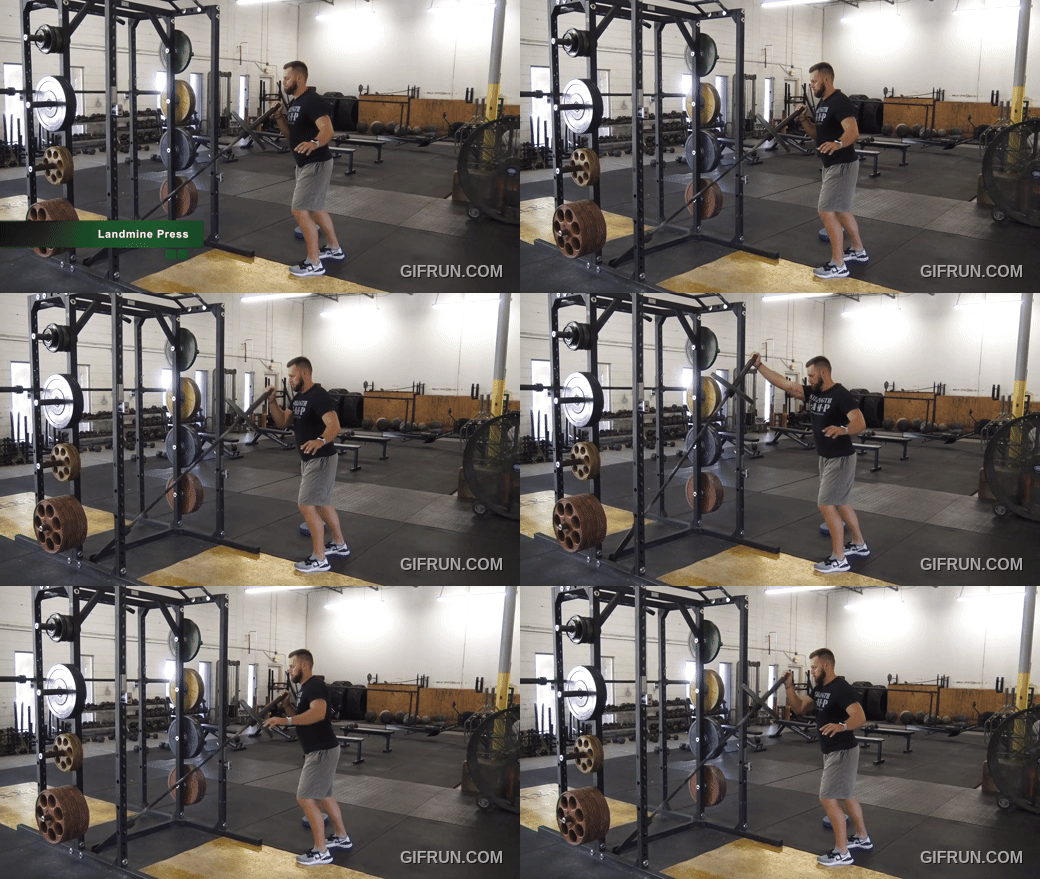
The standing landmine press introduces more full-body coordination and force transfer. Athletes now have to stabilize through the feet, hips, trunk, and shoulders while producing power vertically.
This movement starts bridging the gap between controlled strength work and athletic power production.
One of the biggest benefits here is teaching athletes how to transfer force from the ground through the upper body efficiently. That’s critical for football linemen, baseball players, volleyball athletes, and combat athletes.
The standing position also allows athletes to begin producing more velocity through the press while maintaining control.
5. DB Overhead Press
The dumbbell overhead press is a staple for building raw shoulder strength.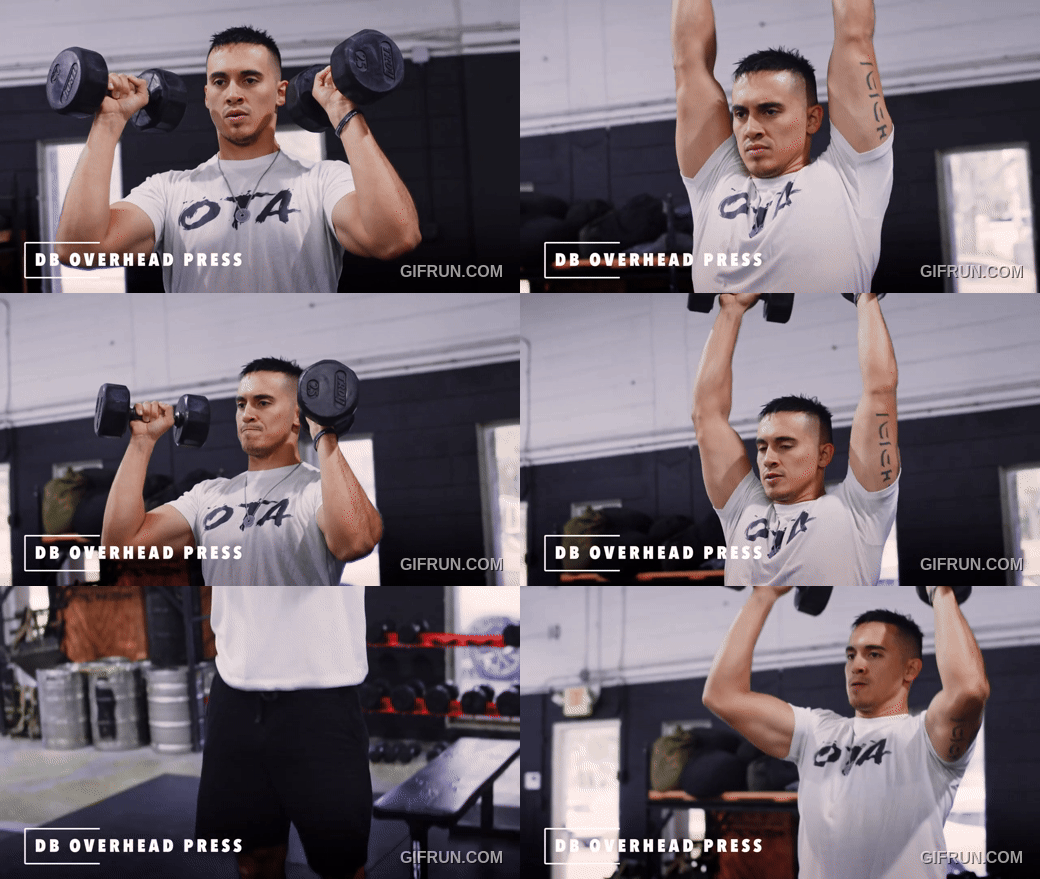
By this point, athletes should have earned enough stability, mobility, and positional awareness to handle heavier overhead loading safely.
Dumbbells can be a better alternative to barbells for athletes because they allow:
- More natural shoulder movement
- Greater unilateral control
- Improved shoulder symmetry
- Reduced joint stress
For athletes, the goal isn’t bodybuilding-style pressing. The goal is building strong, resilient shoulders that can create force and stay healthy during competition.
When performed correctly, the DB overhead press develops:
- Deltoid strength
- Triceps strength
- Upper back stability
- Core stiffness
- Total-body tension
Athletes should prioritize quality reps and full control overhead instead of chasing sloppy max weights.
6. Barbell Push Press
This is where strength starts turning into power.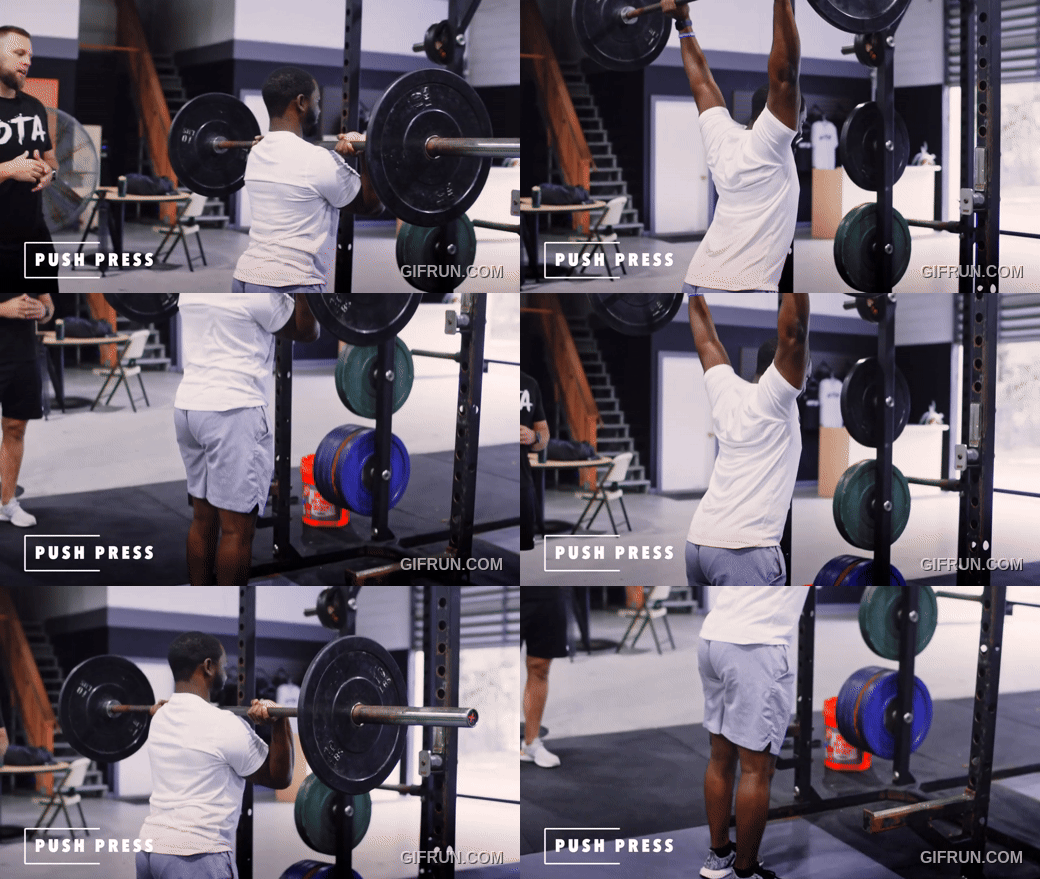
The push press is one of the best shoulder exercises for athletes because it teaches explosive force production through the entire body.
Unlike strict pressing, the push press uses leg drive to help accelerate the bar overhead. That means athletes are learning how to rapidly transfer force from the lower body through the trunk and into the upper body — exactly what happens in most sports movements.
For football players, this improves violent upper body power.
Baseball players, this improves force transfer and explosive intent.
Volleyball athletes, this helps overhead power production.
The push press trains:
- Explosive power
- Triple extension
- Shoulder strength
- Rate of force development
- Athletic coordination
This movement should come later in the progression because athletes need good stability and overhead mechanics first before adding speed and power.
Final Thoughts
Strong shoulders are a necessity for athletes.
Whether you’re throwing a baseball, spiking a volleyball, delivering a hit on the football field, or competing in any explosive sport, your shoulders need to be strong, stable, and powerful overhead.
But the key is progression.
Too many athletes jump straight into heavy overhead pressing without building the mobility, stability, and control needed first. That’s where shoulder issues, poor mechanics, and plateaus start showing up.
Build the foundation first. Progress intelligently. Then layer on strength and explosive power.
That’s how athletes develop shoulders that perform at a high level and hold up through long seasons.
If you’re a football athlete looking to improve your strength, your upper body power, and overall athletic performance, check out our Football Performance System.
