Athlete Strength Training: How to Get Stronger Without Getting Bulky
One of the biggest concerns athletes have when they step into the weight room is simple:
“I don’t want to get too bulky.”
You hear it all the time, especially from basketball, football skill players, and multi-sport athletes. And to be fair, there’s a reason that fear exists. We’ve all seen athletes who chase size in the offseason, come back heavier, and suddenly their vertical drops, their speed takes a hit, and they just don’t move the same.
That’s real.
But here’s what most athletes get wrong:
It’s not strength training that hurts performance—it’s how you train.
Because on the flip side, we’ve also seen athletes put on 10–15 pounds of muscle, get significantly stronger, and actually improve everything—jump higher, run faster, move more explosively.
So what’s the difference?
It all comes down to how you approach athlete strength training. Check out our previous article on the best single leg exercises for explosive strength!
Strength Is Not Optional for Athletes
Before anything else, we need to establish this: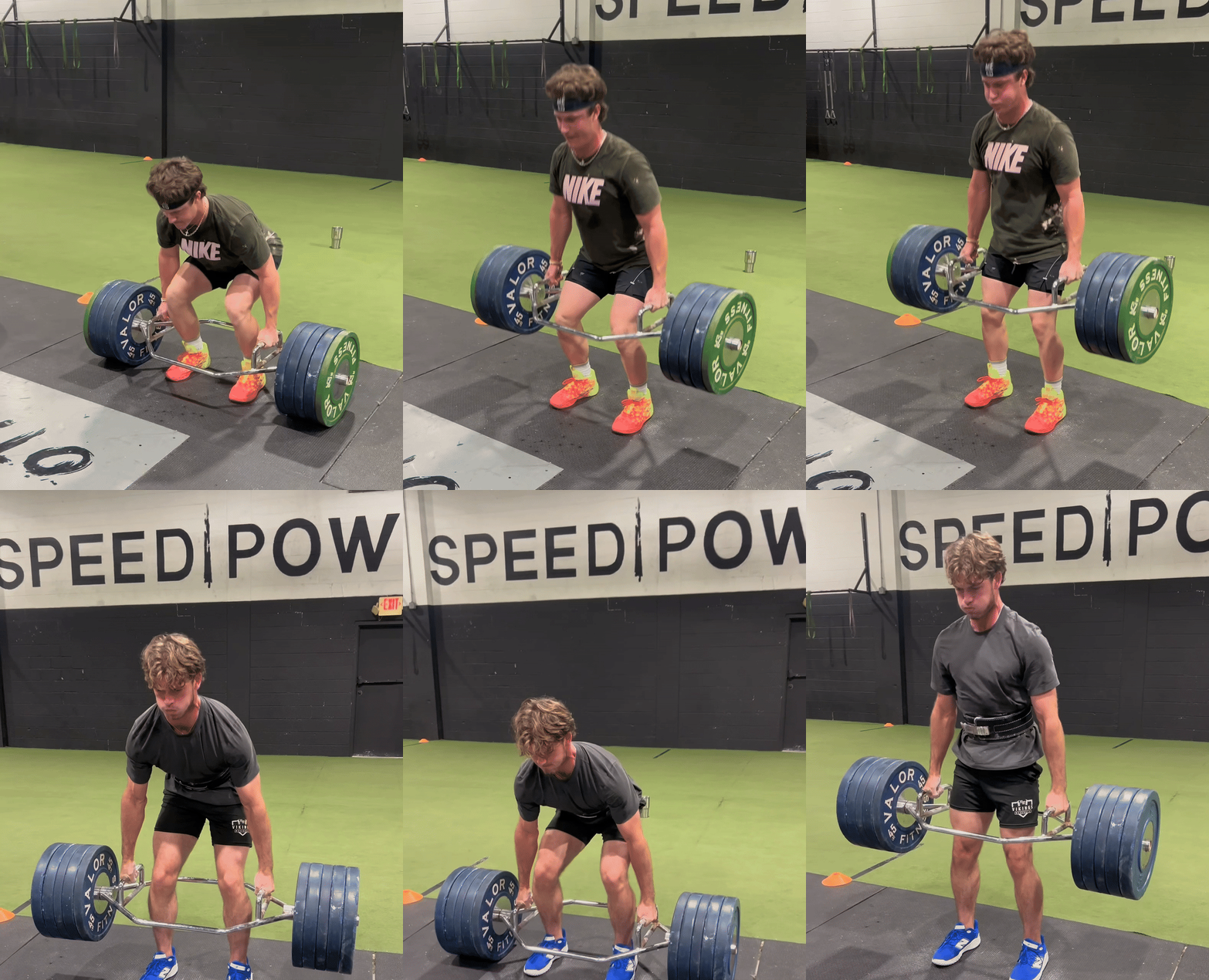
If you want to reach higher levels of performance, you have to get stronger.
There’s no way around it.
Strength is what allows you to produce force. And force is what drives:
- Acceleration
- Top-end speed
- Change of direction
- Vertical jump
If you don’t have a foundation of strength, you’re limiting your ceiling as an athlete. You might be skilled, you might be coordinated, but without strength, you’re leaving performance on the table.
So, avoiding the weight room because you’re afraid of getting bulky is one of the biggest mistakes you can make.
The Truth About “Getting Bulky”
Here’s another thing athletes need to understand:
You don’t accidentally get big.
Building significant muscle mass takes time, effort, and intention. It usually requires a combination of high training volume, eating in a consistent calorie surplus, and months (if not years) of focused hypertrophy training.
Simply lifting heavy weights does not automatically mean you’re going to blow up in size.
Yes, there are athletes who respond quickly and put on muscle faster than others. But for the majority, gaining “too much” size is actually difficult. You have to push for it. Shoot we have athletes right now who’s entire goal is to get bigger and they struggle with it.
So, if you’re worried that adding strength work is going to suddenly make you bulky overnight, that’s just not how the body works.
Where Athletes Run Into Problems
The real issue isn’t strength training—it’s when athletes train like bodybuilders instead of athletes.
A lot of programs out there emphasize:
- High reps
- High volume
- Training to failure
- Chasing a pump
That style of training can absolutely build muscle, but it doesn’t always translate to performance. In fact, if that’s all you’re doing, it can start to work against you.
Athletes who live in that zone often start to feel:
- Heavier
- Slower
- Less reactive
And that’s when you see the drop-off in things like vertical jump and speed.
How to Train for Strength Without Unnecessary Size
If your goal is to perform at a high level, your training has to prioritize force production, not fatigue.
That starts with how you structure your main lifts.
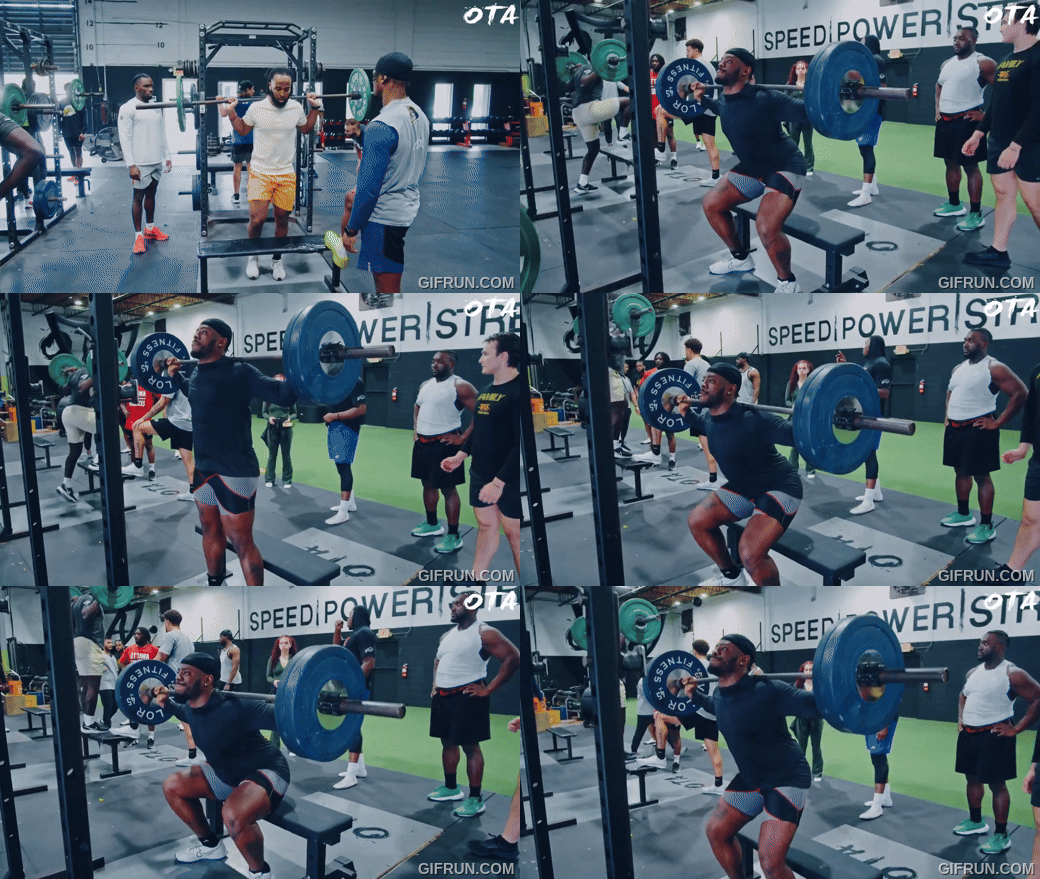
Instead of living in high rep ranges, athletes should focus on lower reps with higher intensity. Programs like a 5×4 progression into 5×3 and then 5×2, or something like the 5/3/1 method, are perfect examples of this approach. They allow you to push heavier loads, develop maximal strength, and avoid the kind of volume that typically drives excessive hypertrophy.
But it’s not just about sets and reps—it’s about intent.
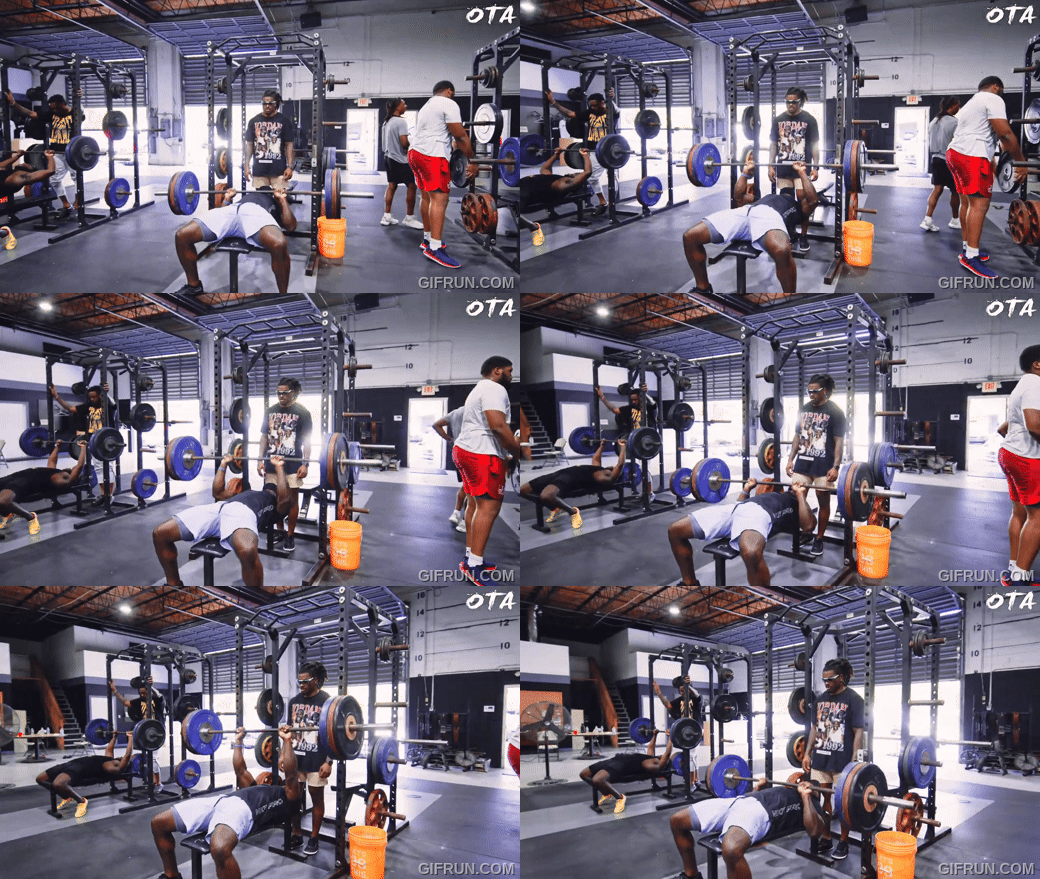
Every time you step under the bar, the goal isn’t just to complete the rep. The goal is to move the weight with maximum intent. Even if the bar speed is slow, your effort should be explosive. That’s what trains your nervous system to recruit more motor units and produce force faster, which is exactly what carries over to sport.
Accessory work still plays a role, but it needs to be controlled. This isn’t the place to turn your session into a bodybuilding workout. A few well-chosen movements in the 8–10 rep range is more than enough to build support strength, address weak points, and improve durability without adding unnecessary fatigue or size.
You Can’t Just Lift—You Have to Stay Explosive
One of the biggest mistakes athletes make is separating strength from speed.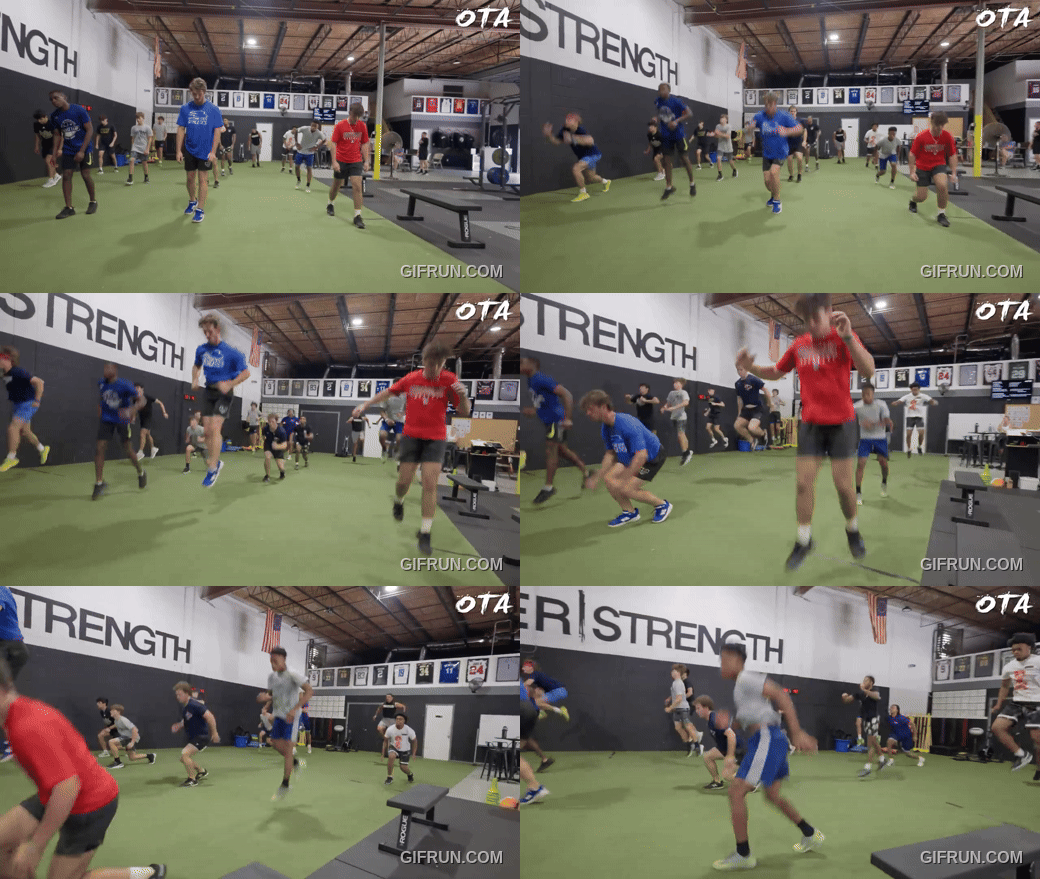
They’ll spend weeks or months focused only on lifting, thinking that getting stronger is enough. But if you’re not pairing that strength work with plyometrics, sprinting, and explosive training, you’re missing the entire point.
Strength is only valuable if you can express it quickly.
That’s why your program should always include high-quality jump work, sprint mechanics, and reactive drills. These keep your body elastic, improve your rate of force development, and ensure that the strength you’re building actually transfers to the field or court.
Without that, you’re just getting stronger in the weight room—not becoming a better athlete.
Finding the Right Balance
Here’s where things get more nuanced.
Not all size is bad.
In fact, some athletes need to gain weight to reach their potential. If you’re undersized or lack the ability to produce force, adding muscle—when done correctly—can be a huge advantage.
We’ve seen athletes add 10–15 pounds the right way and come back:
- More explosive
- More resilient
- More dominant physically
The difference is that the weight gain was paired with strength development and explosive training. It wasn’t just about getting bigger—it was about becoming more capable.
That’s the balance you’re aiming for.
Final Thoughts
At the end of the day, athlete strength training is about building a body that performs, not just one that looks different.
If you control your training volume, focus on high-intensity lifts, move with intent, and stay consistent with your speed and plyometric work, you can build serious strength without sacrificing athleticism.
And it’s worth repeating:
- You’re not going to get bulky by accident.
- But you will limit your performance if you avoid getting stronger.
Take the Next Step
If you’re serious about improving your strength and doing it the right way, please check out the Athletic Strength Formula with the image below! If your goal is actually to build more muscle mass, then also check out our Athletic Mass Program!