
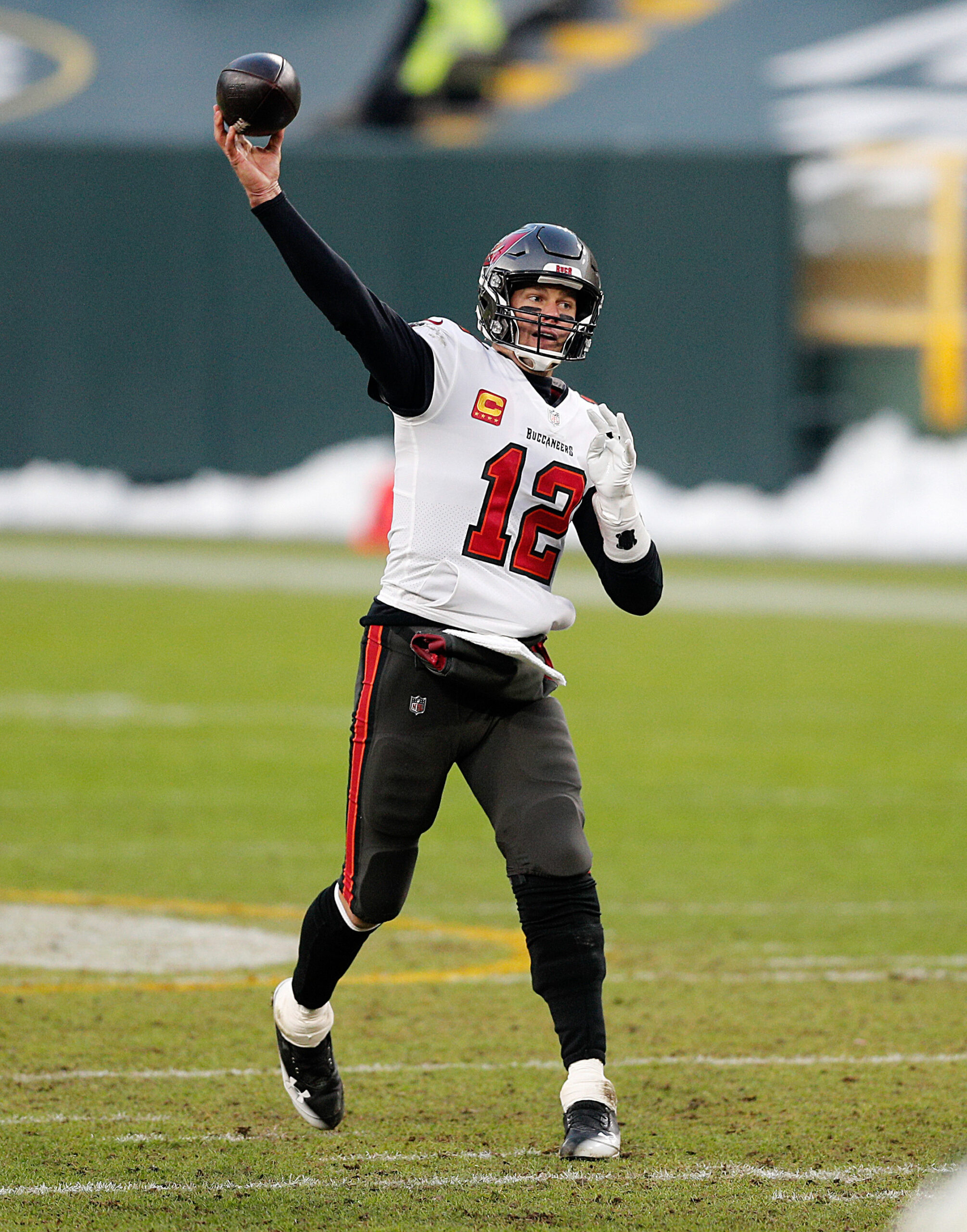
Quarterback Training and the 3 Physical Qualities Every QB Needs
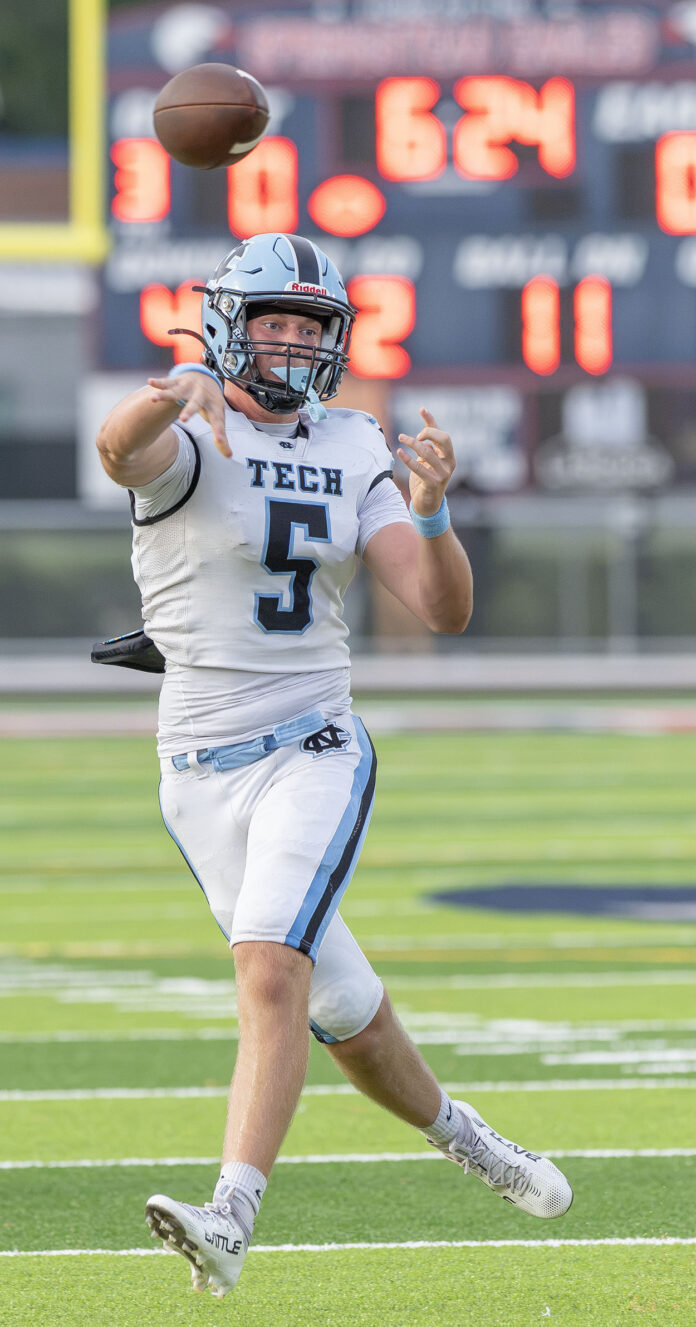
For years, quarterbacks have sometimes been treated differently in the weight room.
They’re quarterbacks, after all. They’re supposed to throw the football, read defenses, make decisions, and lead the offense. So, some coaches take the approach that QBs don’t need to train as hard as linebackers, running backs, or other positions.
That’s outdated thinking.
The modern quarterback needs to be an athlete.
Yes, quarterback is an extremely skill-dependent position. You need accuracy, arm talent, decision-making, pocket awareness, and the ability to process information quickly. But if you want to play at a high level—especially at the college level—you can’t afford to be a one-dimensional athlete.
Today’s game demands quarterbacks who can move.
They need to accelerate, decelerate, change direction, escape pressure, generate power through their lower body, absorb contact, and maintain a strong and stable upper body and trunk.
Colleges aren’t just looking for quarterbacks who can throw.
They’re looking for athletes who can play quarterback.

That’s why your quarterback training needs to develop more than your arm. Before going on, catch up on our previous article on best agility drills for football players!
Here are three physical qualities every QB should prioritize.
1. Max Lower Body Strength
Everything starts from the ground.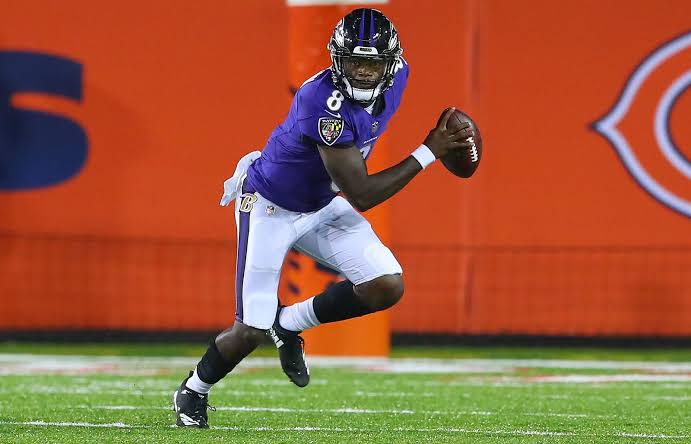
Whether you’re setting your feet to throw a 40-yard touchdown, stepping up into the pocket, escaping a pass rush, or taking off for a first down, your lower body is responsible for producing and transferring force.
That’s why max lower body strength should be a major priority in quarterback training.
A stronger lower body gives you a better foundation for force production. It allows you to produce force into the ground and transfer that force through your hips and trunk.
Think about what happens during a throw.
You don’t generate elite velocity by simply using your arm. The movement begins with the interaction between your feet and the ground, moves through the legs and hips, transfers through the trunk, and eventually reaches the throwing arm.
If you don’t have the strength to create force from the ground, you’re leaving performance on the table.
Lower-body strength also matters when you take off and run.
Quarterbacks need to be able to generate force quickly when accelerating and absorb force when decelerating. A QB who can squat, sprint, stop, and redirect efficiently is much more difficult to defend than one who is simply strong enough to stand in the pocket.
Your lower body is your foundation.
Build it.
2. Train Power and Speed
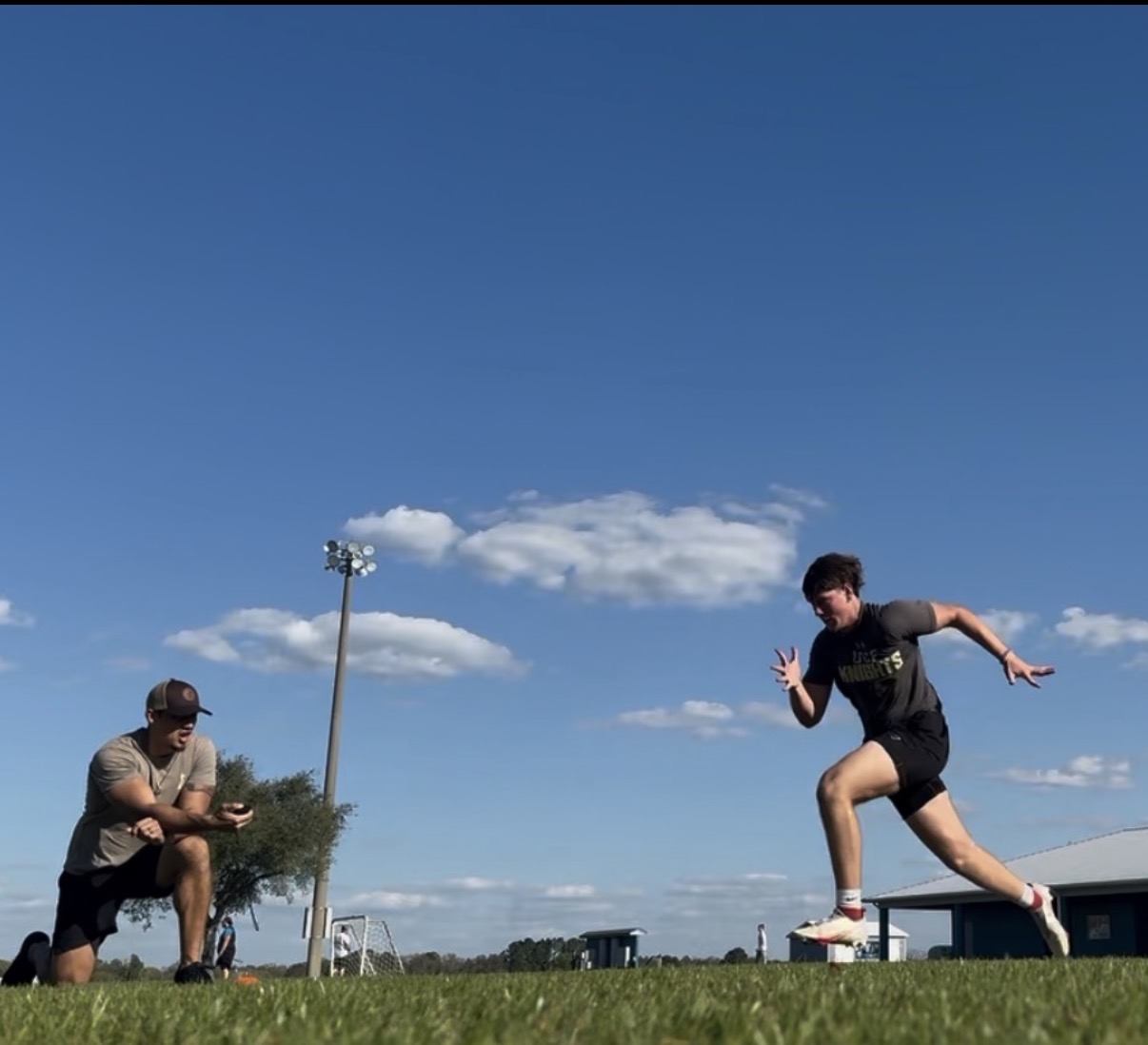
This is where quarterback training needs to separate itself from the old-school mentality.
Quarterbacks need to be explosive.
They need to sprint, jump, accelerate, decelerate, and produce force quickly.
In other words, they need to train like athletes.
Look at the modern college game. Quarterbacks are expected to make plays outside of the pocket. They need to extend plays, escape pressure, gain yards with their legs, and create explosive plays when the defense breaks down.
You can’t develop those qualities by only throwing footballs and lifting light weights.
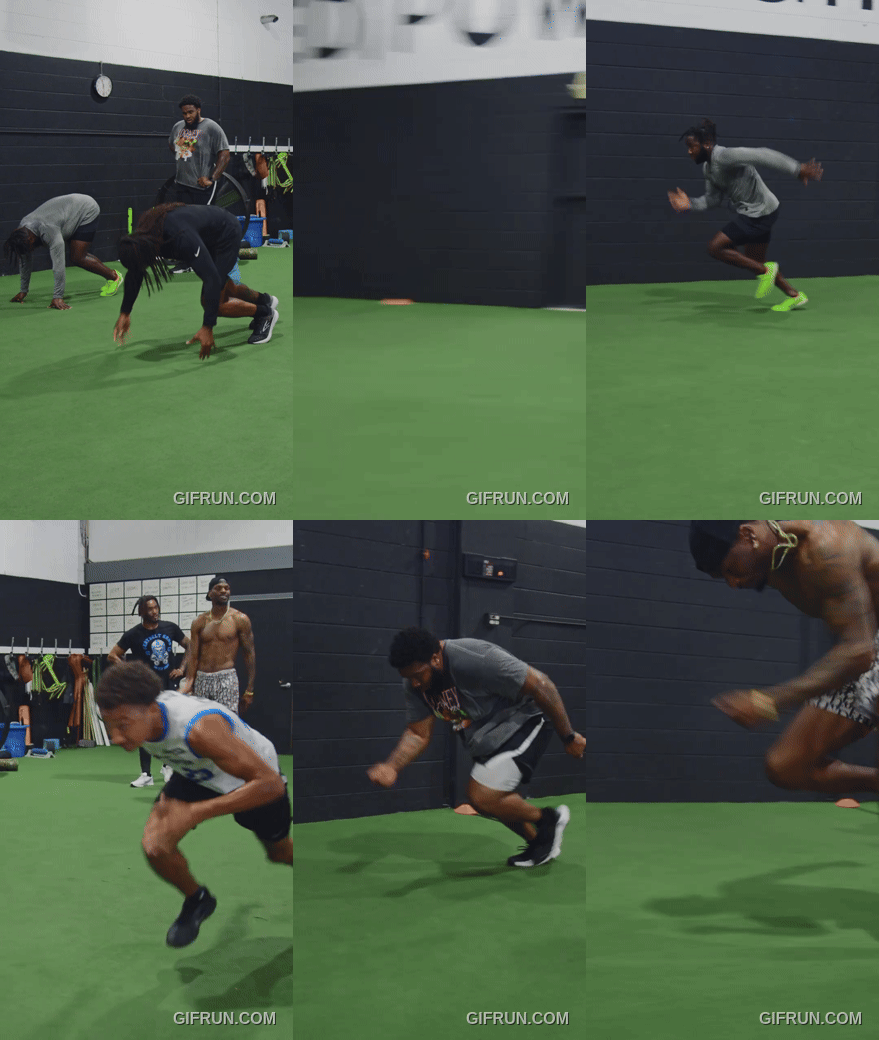
You need dedicated speed and power development.
Plyometrics, sprinting, jumps, medicine ball work, Olympic-lift variations, resisted acceleration, and appropriately programmed strength work can all help develop the qualities a QB needs to become more explosive.
And here’s something every young quarterback needs to understand:
Colleges expect athleticism.
Coaches believe they can continue developing your quarterback skills. They can improve your mechanics, refine your footwork, and teach you their offense.
But if you show up slow, weak, and unathletic, you’re making yourself much harder to recruit.
You don’t want to be the QB who can throw but can’t move.
You want to be the QB who can throw, run, move, and make plays.
3. Build Arm, Upper Body, and Trunk Strength
Quarterbacks absolutely need to train their upper body.
There’s no reason to treat a quarterback like they’re too fragile to lift heavy.
Pressing, pulling, rowing, carrying, and other upper-body strength exercises can help build the strength and stability necessary to handle the physical demands of the position.
That includes developing a strong and stable shoulder complex.
However, quarterback upper-body training needs to be intelligent.
You don’t just want to chase a bigger bench press while ignoring shoulder health. QBs should incorporate appropriate arm-care work and maintain strength through both internal and external shoulder rotation.
The goal isn’t simply to build bigger muscles.
The goal is to create a strong, stable, durable shoulder that can repeatedly handle the demands of throwing.
And then there’s the trunk.
A quarterback’s core is not just about having six-pack abs.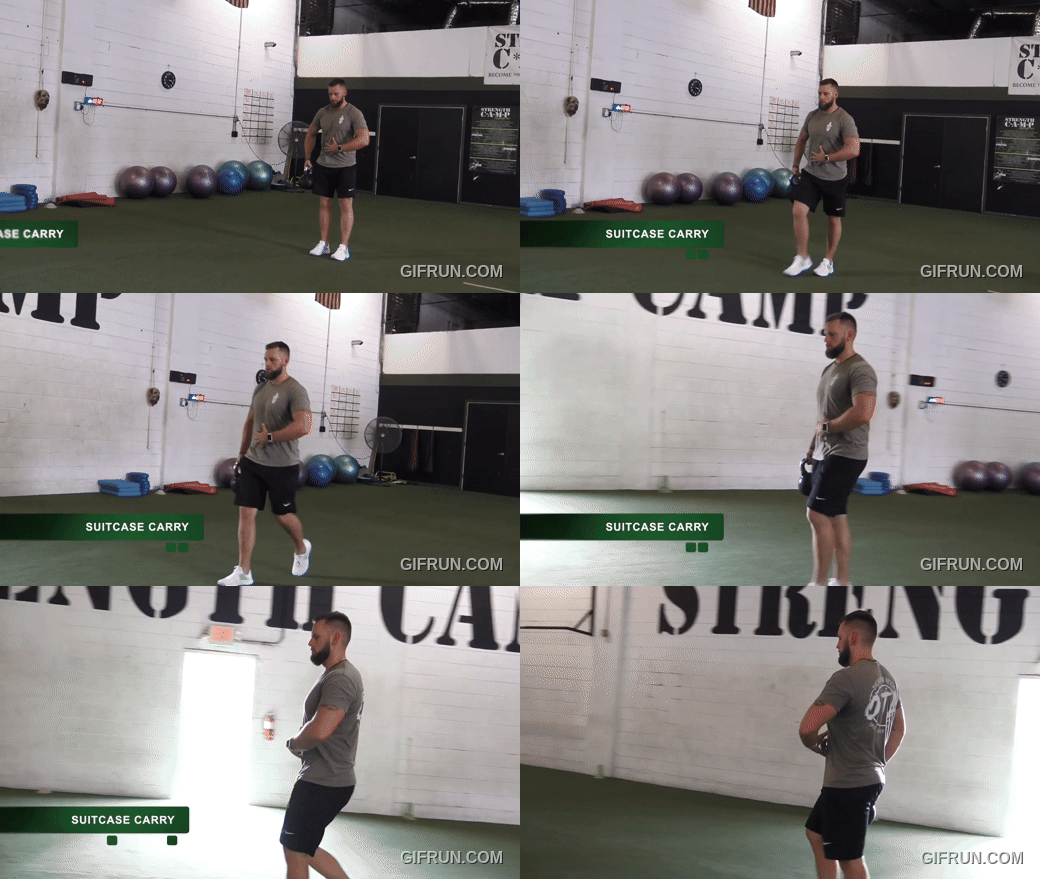
The trunk is responsible for transferring force between the lower and upper body.
Every throw starts from the ground and moves through the body. The legs create force, the hips and trunk help transfer and rotate that force, and the arm ultimately delivers the ball.
If the trunk can’t efficiently transfer force, you’re losing energy somewhere along the chain.
That’s why quarterbacks need to train both trunk stability and rotational strength.
Anti-rotation work, carries, heavy compound lifts, medicine ball throws, rotational exercises, and other intelligently programmed movements can help develop the strength and control necessary to produce and transfer force.
A strong trunk allows you to stay connected.
And when you’re connected, you can produce more force with less wasted movement.
Final Thoughts
Quarterbacks aren’t fragile.
They’re football players.
And football is an incredibly physical sport.
The best quarterback training programs don’t try to turn QBs into bodybuilders. They develop the physical qualities that allow quarterbacks to perform their skills at a higher level.
Build max lower-body strength.
Develop speed and explosive power.
Build a strong and stable upper body, shoulders, and trunk.
Then combine those physical qualities with elite quarterback skill development.
Because the goal isn’t to create the strongest QB in the weight room or the fastest QB on the field.
The goal is to create a complete quarterback athlete.
If you’re serious about becoming a faster, stronger, more explosive, and more durable football player, you need a training system designed specifically for the demands of the game.
Get started with the Football Performance System by clicking the image below and start building the physical tools you need to take your game to the next level.
