
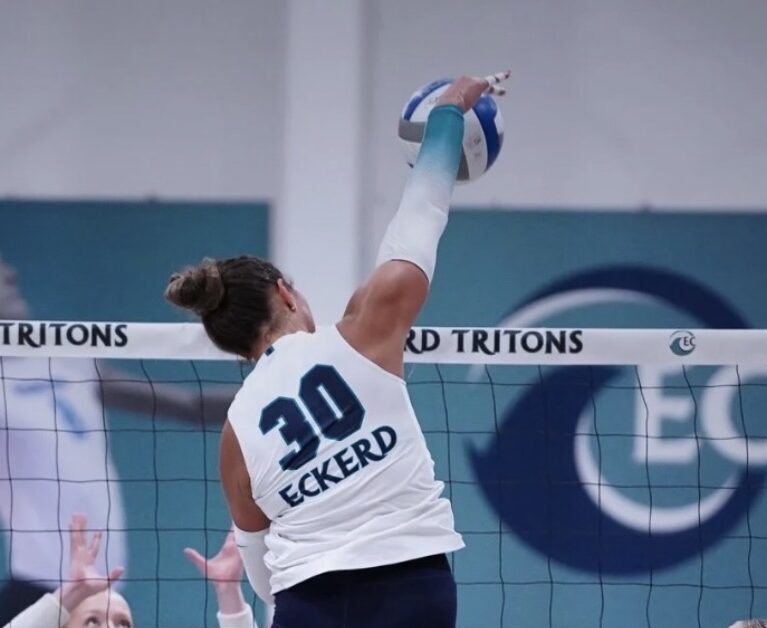
Volleyball Training In-Season: Isometrics Every Player Needs to Stay Healthy
Volleyball is a high-output sport. Every practice and match demands repeated jumping, landing, sprinting, cutting, blocking, and explosive overhead swings. And when you stack those demands on top of each other for months, the body takes a beating.
That is why volleyball training shouldn’t stop once the season starts.
In-season training isn’t about trying to destroy yourself in the weight room or chasing new personal records every week. The goal is to maintain strength, power, tissue capacity, and athleticism while keeping your body healthy enough to perform when it matters most.
One of the most effective tools volleyball players can use during the season is isometric training.
Isometrics are exercises where you produce force without significant movement at the joint. They can be incredibly effective for maintaining strength, building tendon capacity, supporting joint health, and helping athletes manage the repeated stress of competition.
For volleyball players, that’s a huge deal. Check out our previous article sharing the best plyometric exercises for volleyball!
Why Volleyball Players Need Isometrics In-Season
Think about what happens every time you jump.
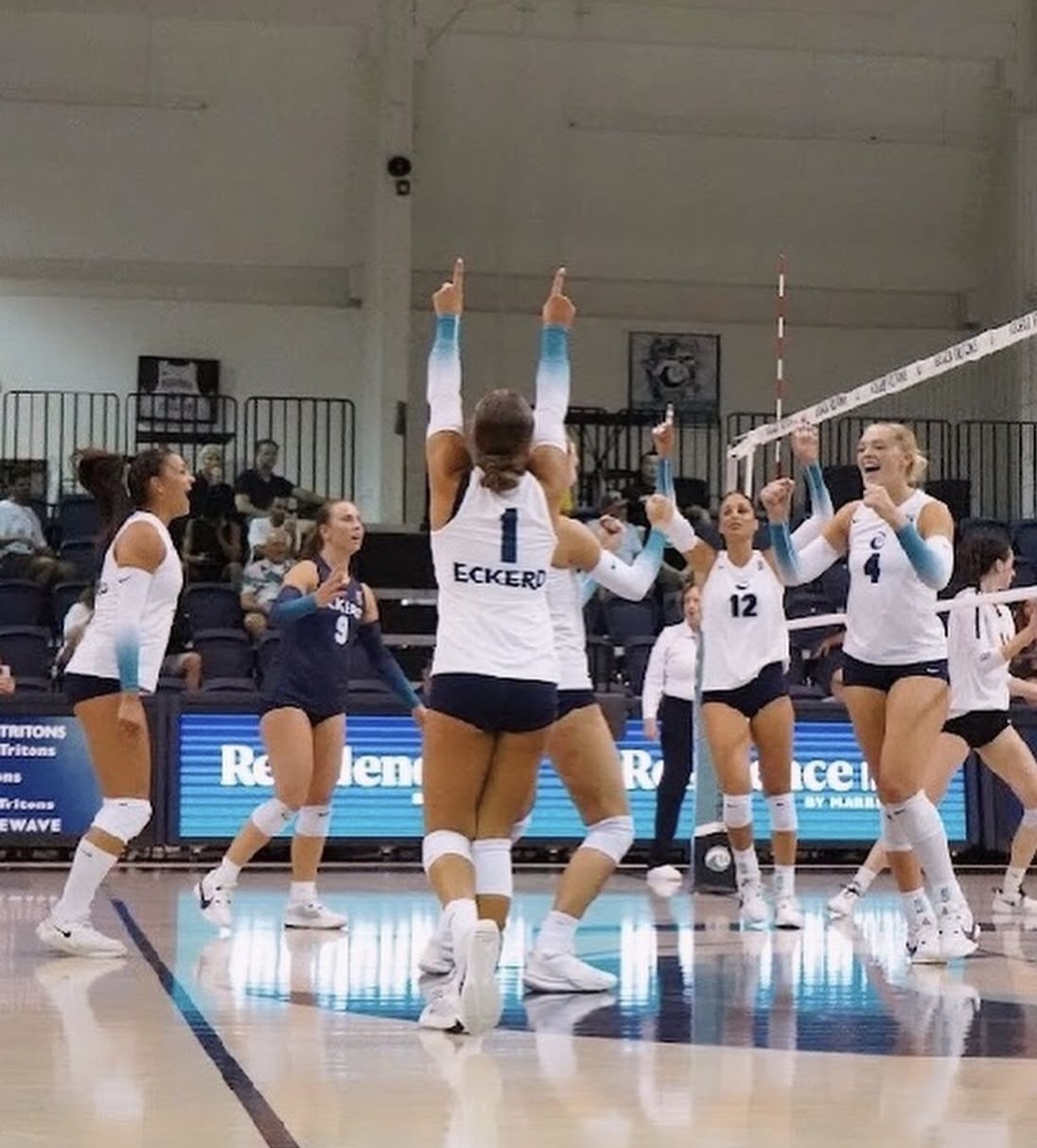
Your knees and ankles absorb force when you land. Your quads have to produce force to jump again. Your patellar tendons have to repeatedly transfer force from the quads through the knee. Meanwhile, your shoulders are exposed to tremendous demands every time you serve, hit, or block.
Do that hundreds of times throughout a season and the cumulative stress adds up.
Isometrics give athletes a way to continue training these tissues without creating unnecessary fatigue or excessive soreness.
They can help maintain strength while placing relatively low demands on movement and recovery. They also allow athletes to produce high levels of muscular tension, which makes them an excellent tool for maintaining the strength qualities developed during the offseason.
For the knees specifically, isometrics can help maintain the strength and capacity of the quads and patellar tendon. For the shoulders, they can reinforce the muscles responsible for stabilizing the joint and controlling the scapula.
That’s exactly what volleyball athletes need during a long season.
Isometrics For Tendon Strength & Joint Health
Tendons are a critical part of the athletic system. They connect muscle to bone and help transmit force through the body.
For volleyball players, the patellar tendon is particularly important because it plays a major role in transferring force during jumping.
Every approach jump, block jump, and repeated landing places significant demands on the knee extensor system. If an athlete’s tissues aren’t prepared to handle that force, problems can develop.
Isometric training can be a valuable part of building and maintaining tendon capacity because it exposes the musculotendinous system to controlled tension without requiring repeated movement.
And it’s not just about the knees.
The shoulder is another major area of concern for volleyball players. Repeated overhead hitting and serving places enormous demands on the muscles and tissues responsible for keeping the shoulder stable.
A strong volleyball player doesn’t just need powerful shoulders.
They need stable shoulders that can repeatedly produce and control force.
That’s where the right isometrics come in.
The 4 Isometrics Every Volleyball Player Should Have In Their In-Season Training
1. Upside-Down Kettlebell ISO Hold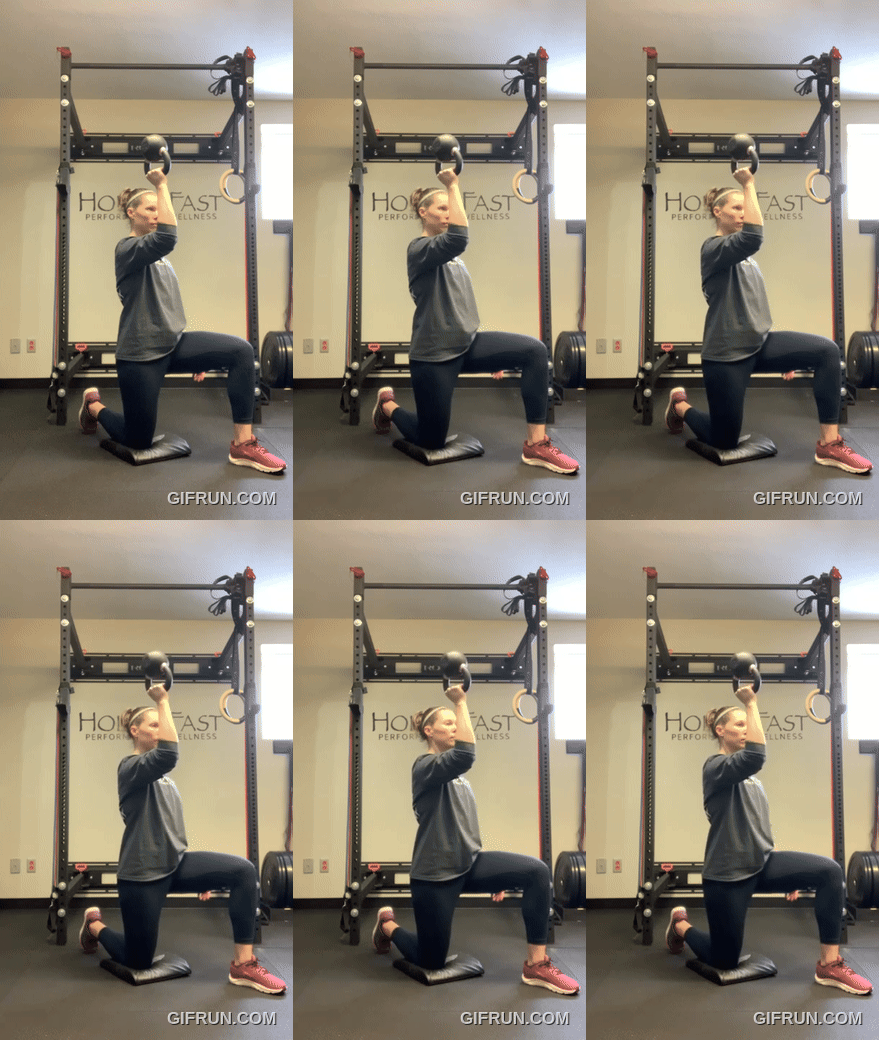

The first upper-body isometric is the upside-down kettlebell ISO hold with the elbow positioned around 90 degrees.
This is a simple exercise, but don’t let that fool you.
Holding the kettlebell upside down forces the athlete to create tremendous tension through the hand, forearm, elbow, and shoulder while maintaining control of the kettlebell.
The goal is to create a strong, stable shoulder position and maintain it under tension.
For volleyball players, that matters.
Every swing requires the shoulder to generate and control force. Maintaining strength and stability around the shoulder can help athletes tolerate the repeated demands of hitting and serving throughout a long season.
Keep the position clean. Don’t let the shoulder collapse or the elbow drift. Own the position.
2. Incline Y-Fly ISO Hold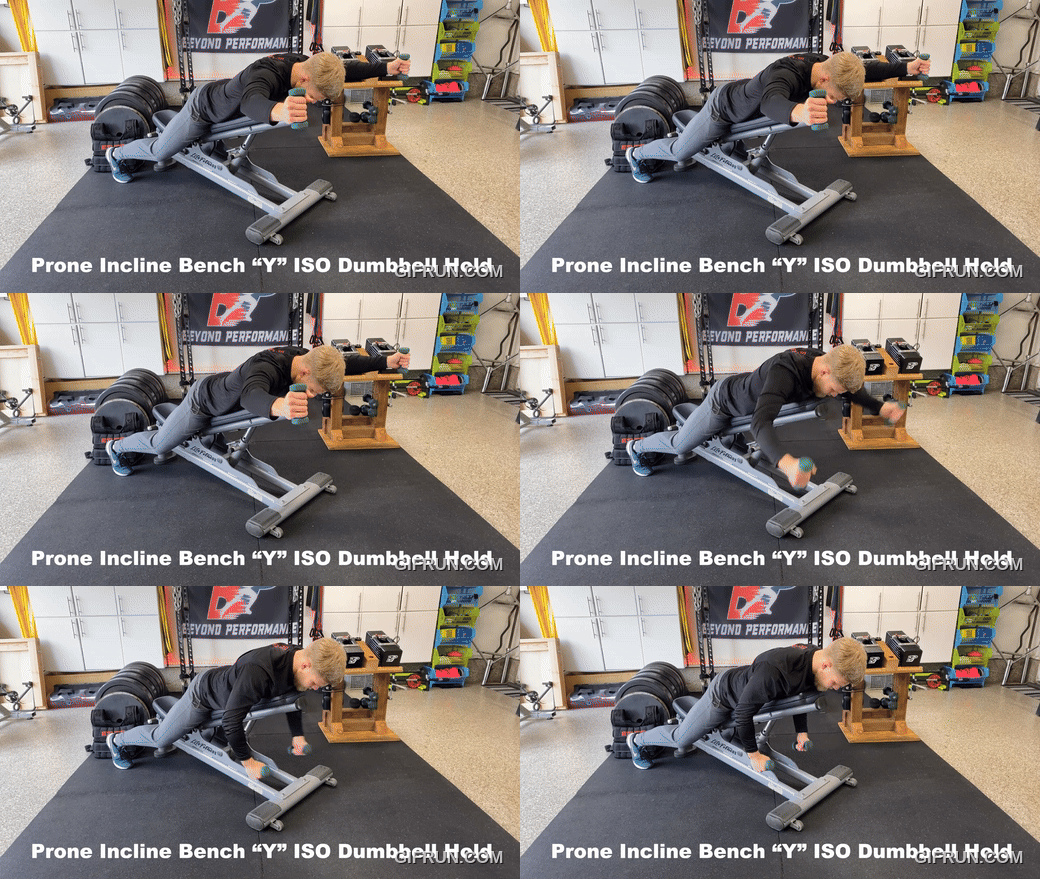

Next is the incline Y-fly ISO hold.
Lie face down on an incline bench and raise your arms into a Y position. Lock the shoulder blades back and hold.
This exercise targets the muscles responsible for supporting and stabilizing the shoulder and scapula.
Volleyball players spend a ton of time producing force overhead. The muscles around the shoulder blade need to be strong enough to provide a stable foundation for that movement.
Think of the scapula as part of the platform your shoulder operates from.
If that platform can’t maintain position under stress, your ability to repeatedly produce and control force can suffer.
The incline Y-fly ISO hold gives volleyball players a low-impact way to train those stabilizers without adding a ton of fatigue.
3. ISO Split Squat
Now let’s get to the lower body.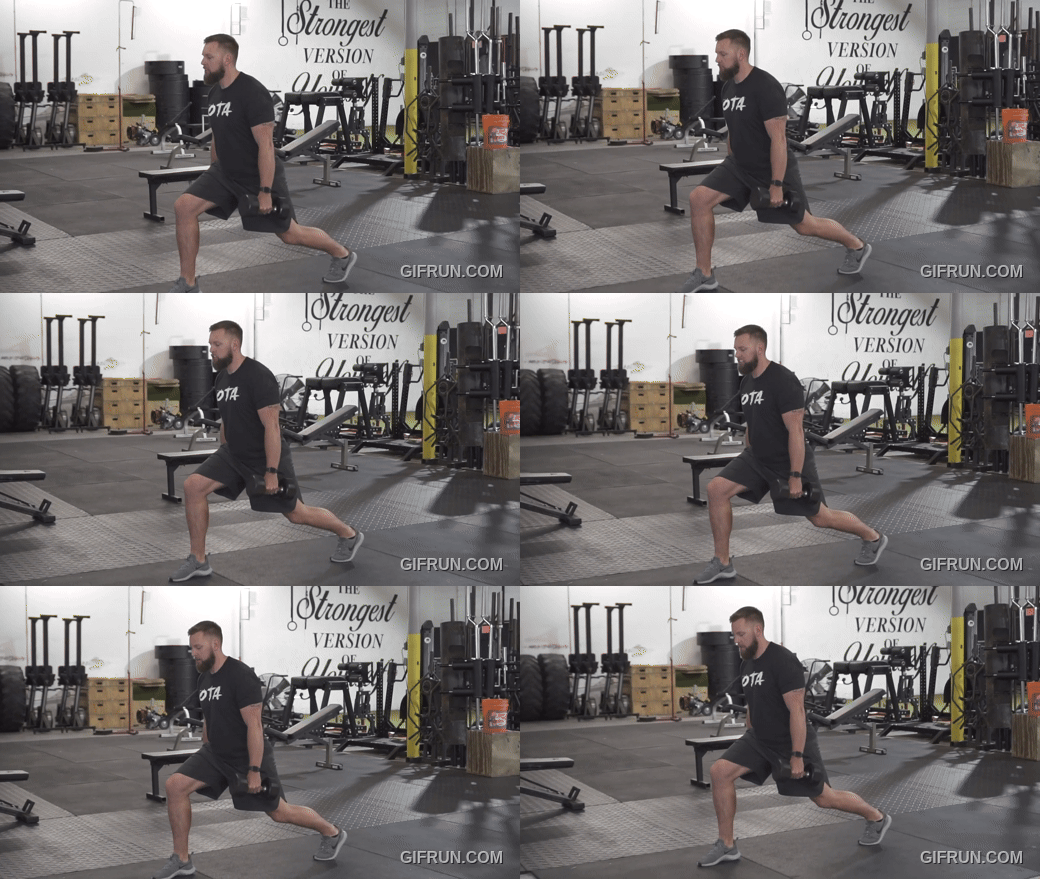
The ISO split squat is one of our favorite in-season exercises for volleyball athletes.
It can be performed with bodyweight or loaded with dumbbells, kettlebells, or a barbell depending on the athlete and where they are in the season.
Drop into your split squat position and hold.
The goal is to create as much tension as possible while maintaining excellent positioning.
This is especially valuable for the quads and patellar tendon.
Volleyball players need strong quads because the quads are heavily involved in producing force during jumping. They also need the patellar tendon to be capable of handling and transferring that force repeatedly.
The split squat also provides a unilateral training stimulus, which makes it highly relevant to a sport where athletes constantly jump, land, and move from individual legs.
4. Single-Leg Wall Sit
Last but certainly not least is the single-leg wall sit.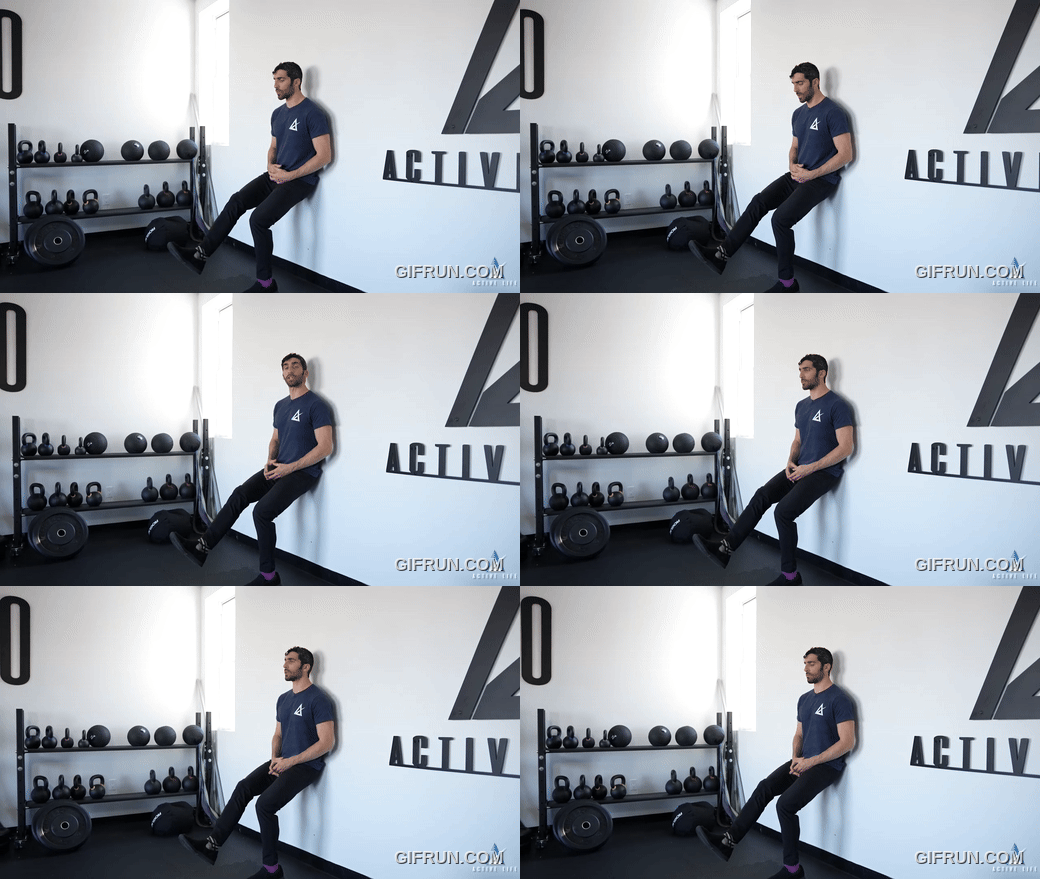
This is another brutally effective way to train the quads and build lower-body isometric strength without creating a ton of movement or soreness.
Set up against a wall, get into your desired position, lift one foot, and hold. We want the hip slightly above the knee.
The longer you hold, the more your quads have to work to maintain the position.
Again, we’re targeting two major areas for volleyball performance: quad strength and patellar tendon capacity.
Those qualities matter because volleyball is essentially repeated force production.
You jump, land, and jump again.
Your knees need to be prepared for that workload.
Final Thoughts
In-season volleyball training should be about maintaining your physical tools while keeping your body ready to compete.
You don’t need to eliminate strength training during the season. You need to train smarter.
Isometrics are an incredibly useful weapon because they allow volleyball players to maintain muscular tension, support tendon capacity, reinforce joint stability, and continue developing the physical qualities that help keep them on the court.
The knees and shoulders are taking a tremendous amount of stress throughout the season. Give them the attention they deserve.
If you’re serious about becoming a more explosive volleyball athlete, don’t leave your vertical development to chance.
Get the program built specifically to help you jump higher and become more explosive: Elite Vertical Academy. Click the image below to get started!
