
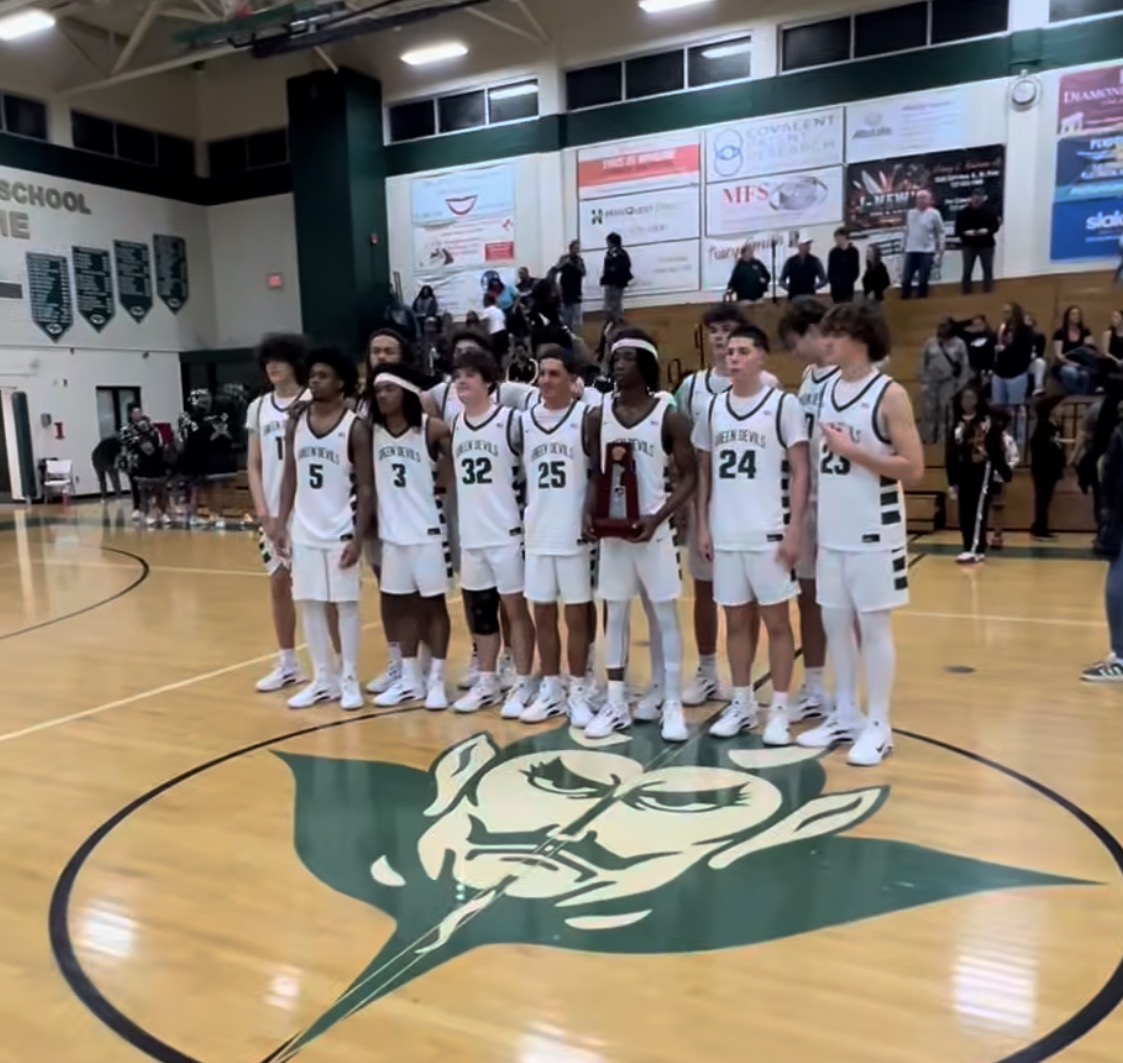
The Training Program for Basketball That Helped Build St. Pete High’s District Champs
Every season, there are high school basketball teams that look skilled. They can shoot, dribble, and run sets. And every season, many of those same teams fall short when the game speeds up, bodies collide, and fatigue sets in.
Teams need to change the narrative with their offseason training.
This past offseason, we worked with and built a training program for the St. Pete High School basketball team to help build their athletes. The result? A team that physically separated itself from opponents and has gone on to win a District Championship, now pushing into regionals to push for a State Championship.
This wasn’t luck. It’s development.
People noticed the difference in the players speed, power, and physicality. All the players we trained are the starters and remained durable and able to perform the entire season. Check also out our previous article on the best core strength exercises for basketball!
Starting From the Ground Floor
One of the most important things to understand about this group is that many of these athletes had never trained before.
No structured strength program.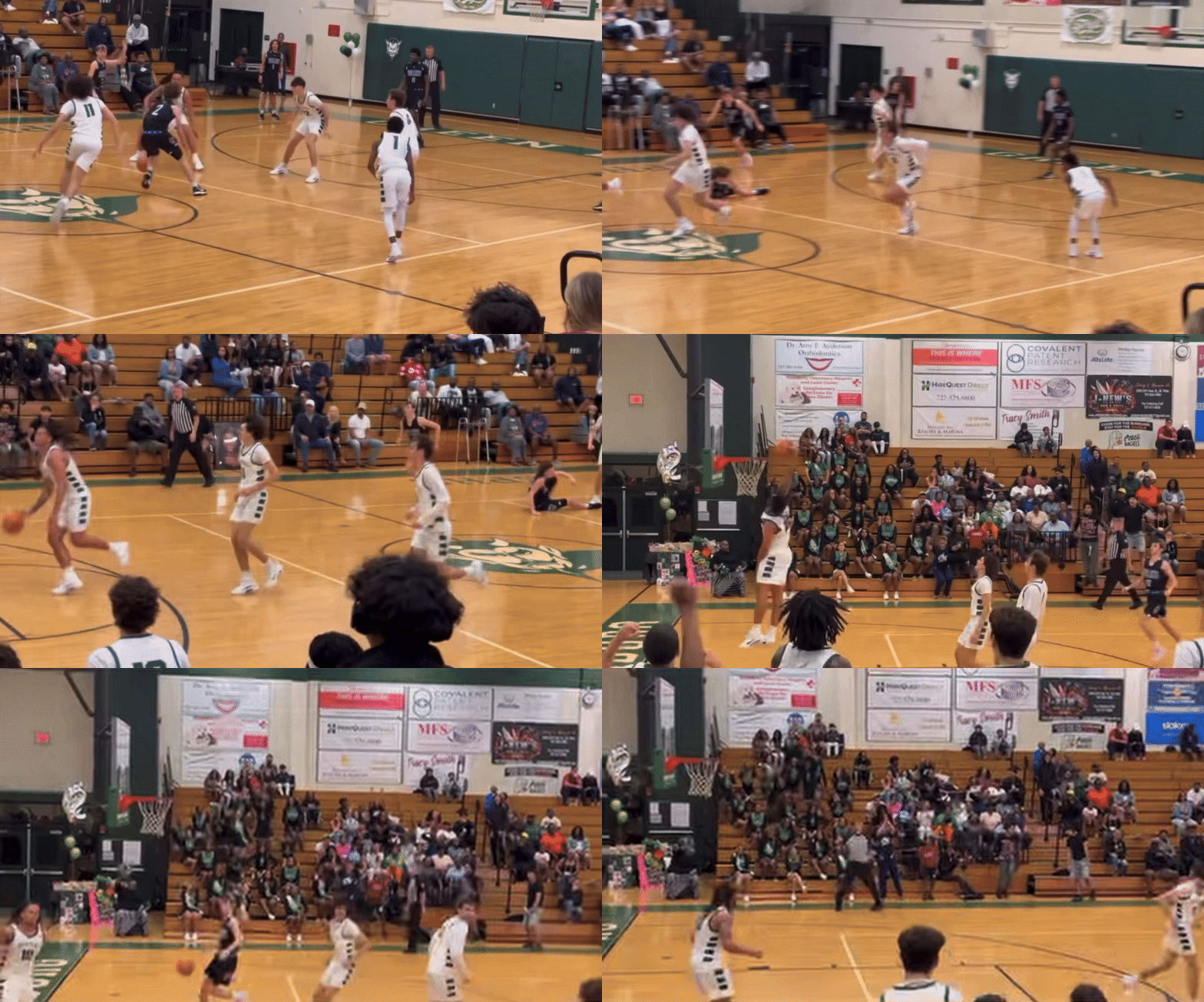
>No real speed development.
>No understanding of how to move, stop, or produce force efficiently.
That’s the reality for a lot of high school basketball players. They spend years working on their game—but almost no time developing the physical engine that supports it.
They get better at basketball, but not better as athletes.
And that gap can often be the biggest limiter.
The Problem in High School Basketball Development
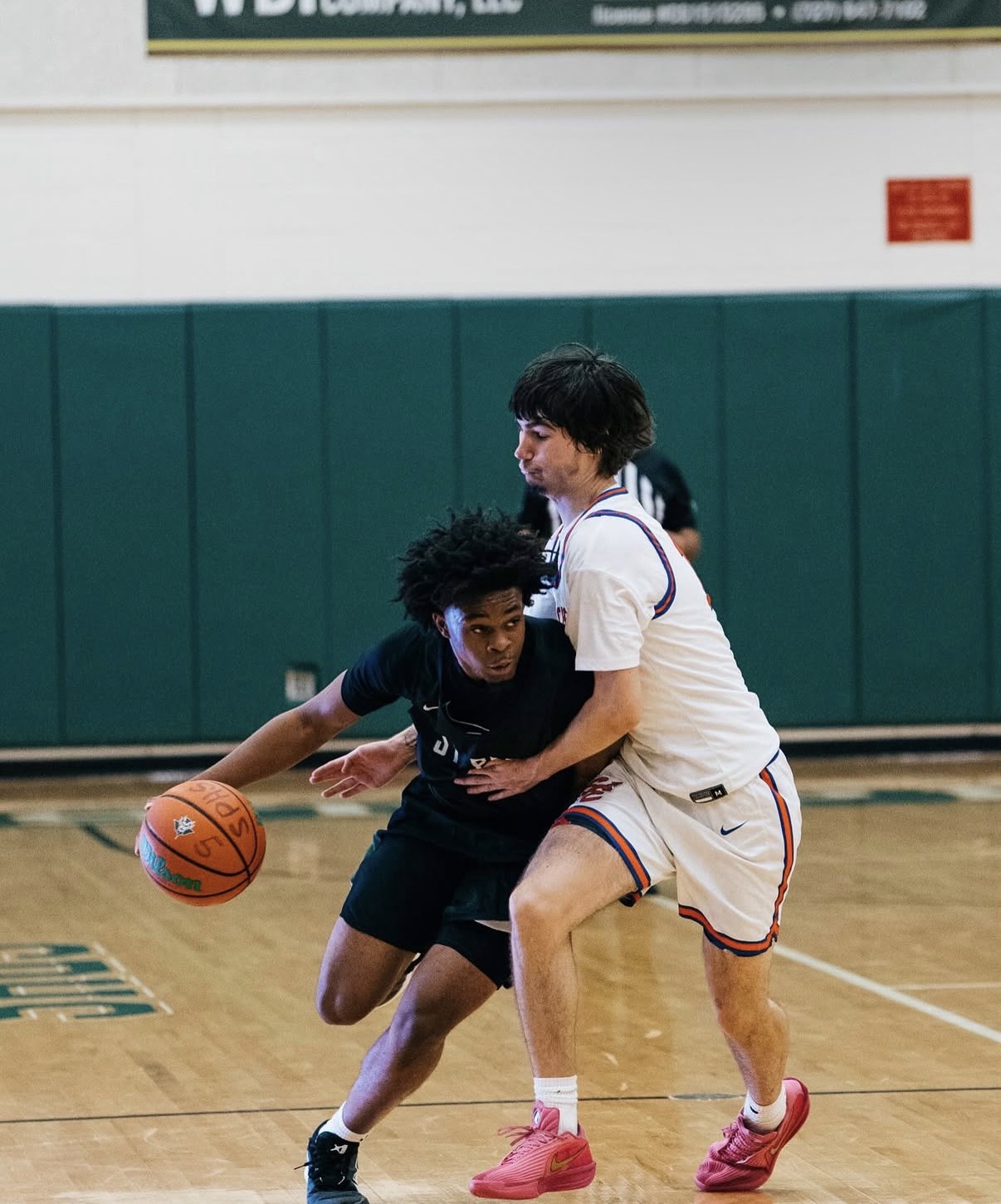
High school basketball is full of players who:
- Can shoot lights out in warmups
- Look great in drills
- Understand the game
But struggle with:
- Physical contact
- Explosiveness late in games
- Staying healthy across a long season
Skill matters. But performance changes games.
Strength, speed, power, and deceleration are what allow skill to show up under pressure and fatigue. When those qualities are missing, even talented players hit a ceiling.
That’s exactly what an intelligent offseason training program for basketball is built to address.
Why Performance Training Matters (Even at the Highest Levels)
This isn’t a new concept.
Kobe Bryant—one of the most skilled players to ever touch a basketball—was also obsessive about the weight room. He trained relentlessly during the offseason, in-season, and even during the NBA Finals.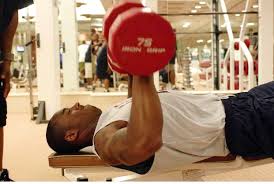
Why?
Because he understood something most young players don’t yet grasp:
Skill without physical preparation eventually breaks down.
Kobe trained to be strong, resilient, explosive, and durable—so his skill could hold up when the stakes were highest. His work ethic raised the standard of everyone who played with him too, which is why he led championship teams.
That same mindset shapes our programming. You can have all the skill in the world, but if you come across someone who doesn’t just have skill but also has the physical development behind it like strength, speed, and power, you’re going to lose every single time.
The Pillars of the St. Pete High Offseason Program
This wasn’t random lifting or generic workouts. The training program for St. Pete basketball was built around five core pillars that directly transfer to on-court performance.
1. Increasing Max Strength
Strength is the foundation of everything.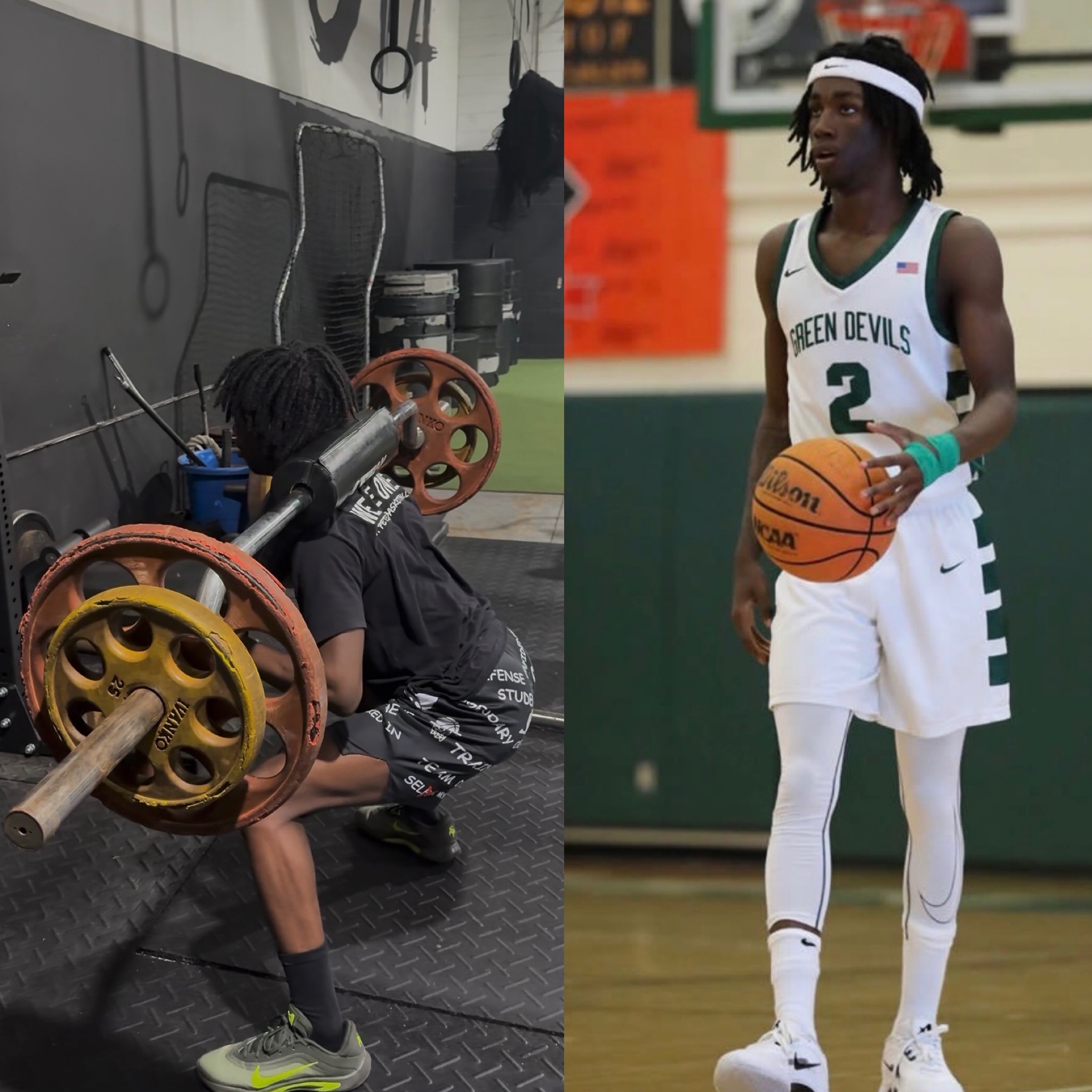
We focused heavily on building absolute strength through foundational movements.
Stronger athletes:
- Absorb contact better
- Produce more force into the floor
- Are more resistant to injury
- Recover faster between plays
For many of these athletes, this was the first time they learned how to train with intent in the weight room. As their strength numbers climbed, so did their confidence and physical presence in the game.
2. Building Lean, Athletic Muscle Mass
This wasn’t about bulking up.
We built lean, functional muscle that improved force production without slowing them down.
Increased muscle mass meant:
- More power on takeoffs
- Improved posture and stability
- Increased durability over the season
These athletes didn’t just get more muscle, they moved a lot better.
3. Deceleration: The Missing Link

Most basketball injuries and breakdowns don’t happen during takeoff. They happen during deceleration—when athletes are trying to stop, cut, or change direction.
We made deceleration a major priority.
Teaching athletes how to:
- Absorb force properly
- Control their center of mass
- Brake efficiently before re-accelerating
This not only helped reduce injury risk but made them faster where it actually matters: first step, defensive slides, and reaction plays.
4. Speed, Acceleration, and Rate of Force Development
Basketball isn’t about top-end speed. It’s about how fast you can produce force in quick bursts.
We trained:
- First-step acceleration
- Lateral speed
- Rate of force development (RFD)
The faster an athlete can apply force into the ground, the quicker they move, period.
As RFD improved, players became noticeably more explosive in short bursts, which showed up immediately in game situations.
5. Weekly Vertical Jump Testing and Tracking
What gets measured gets improved.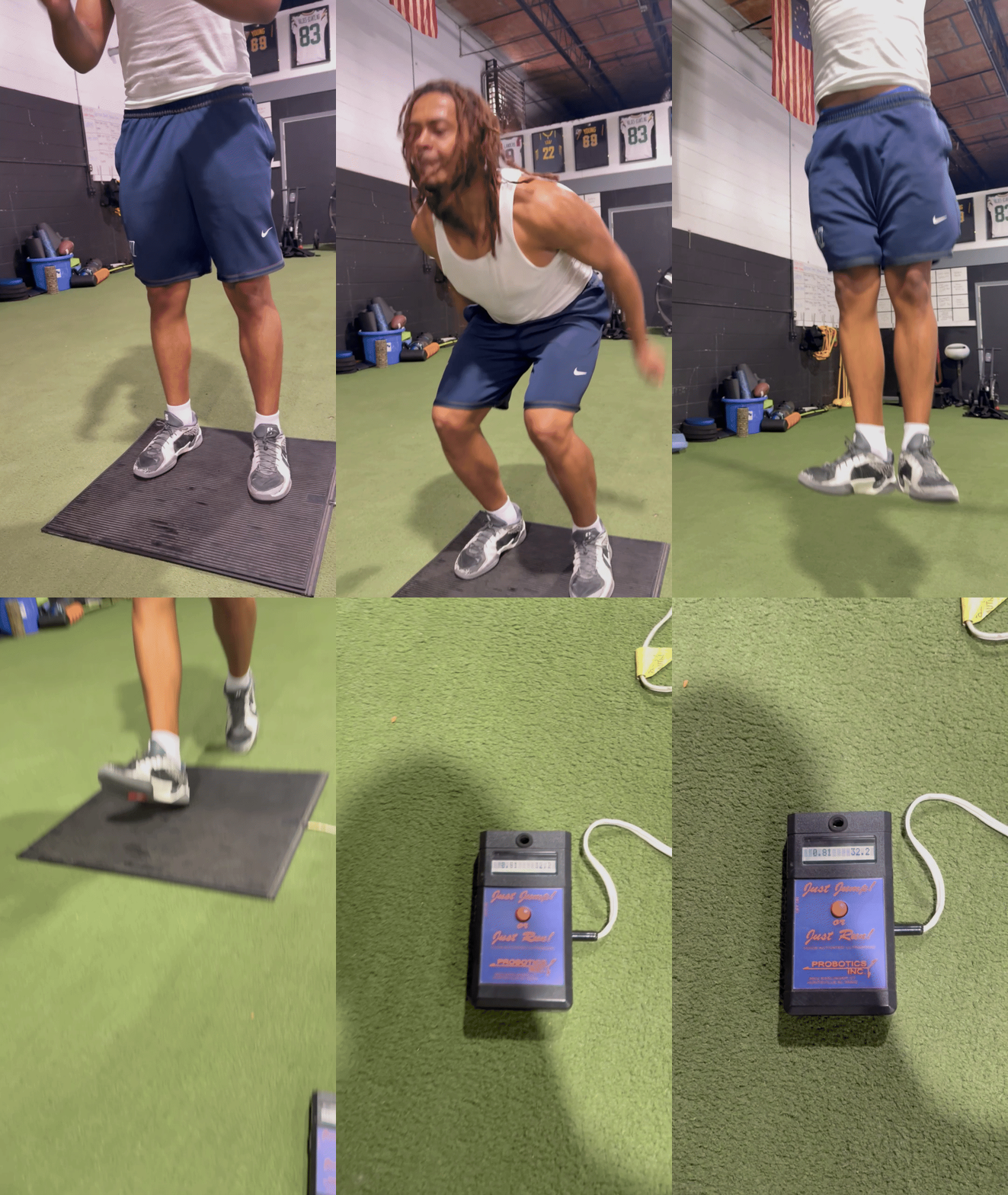
We tested and tracked vertical jump numbers weekly, not just to assess progress, but to build buy-in and competition. At the start of every week we did vertical jump testing and this was mainly to drive intensity.
Athletes could see:
- Objective proof their training was working
- How strength gains translated into power
- Where fatigue or plateaus might be occurring
Across the board, vertical numbers increased—clear evidence that strength and power development were transferring directly to performance.
The Results: Strength, Power, and Confidence
By the end of the offseason:
- Strength numbers were up across the board
- Vertical jumps increased for every athlete
- Speed and explosiveness were visibly improved
- Athletes moved with more confidence and control
But the biggest change wasn’t just physical.
This team felt different. Their coach noticed it.
They were more physical, finished and defended stronger, and didn’t fade late in games.
And that carried straight into the season.
From Training to Championship
The payoff came when it mattered most.
St. Pete High used that physical edge to outlast opponents and capture a District Championship. That doesn’t happen by chance, but by preparation.
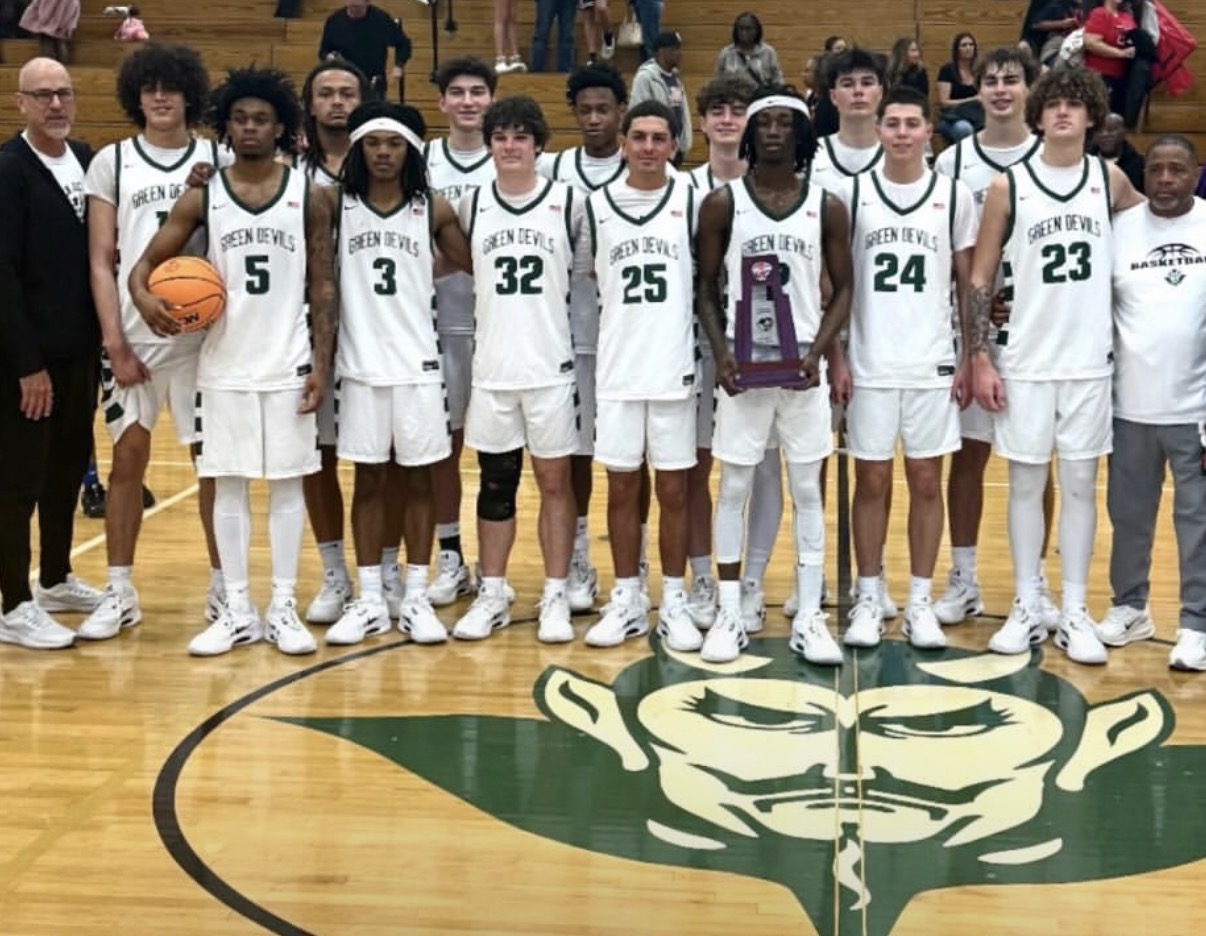
Now, as they enter regionals and compete for a State Championship, they’re doing so with a foundation that many teams simply don’t have.
They didn’t just train for basketball. The team trained to be much better athletes, and it’s shown on the court.
Final Takeaway
This offseason proved something we see every year:
When high school basketball players stop relying solely on skill work and commit to a real training program for basketball, everything changes.
Strength rises.
Vertical and speed improves.
Confidence follows.
That’s how a truly competitive team is built.
