Bo Bichette Training: How to Develop Elite Bat Speed and Game Power
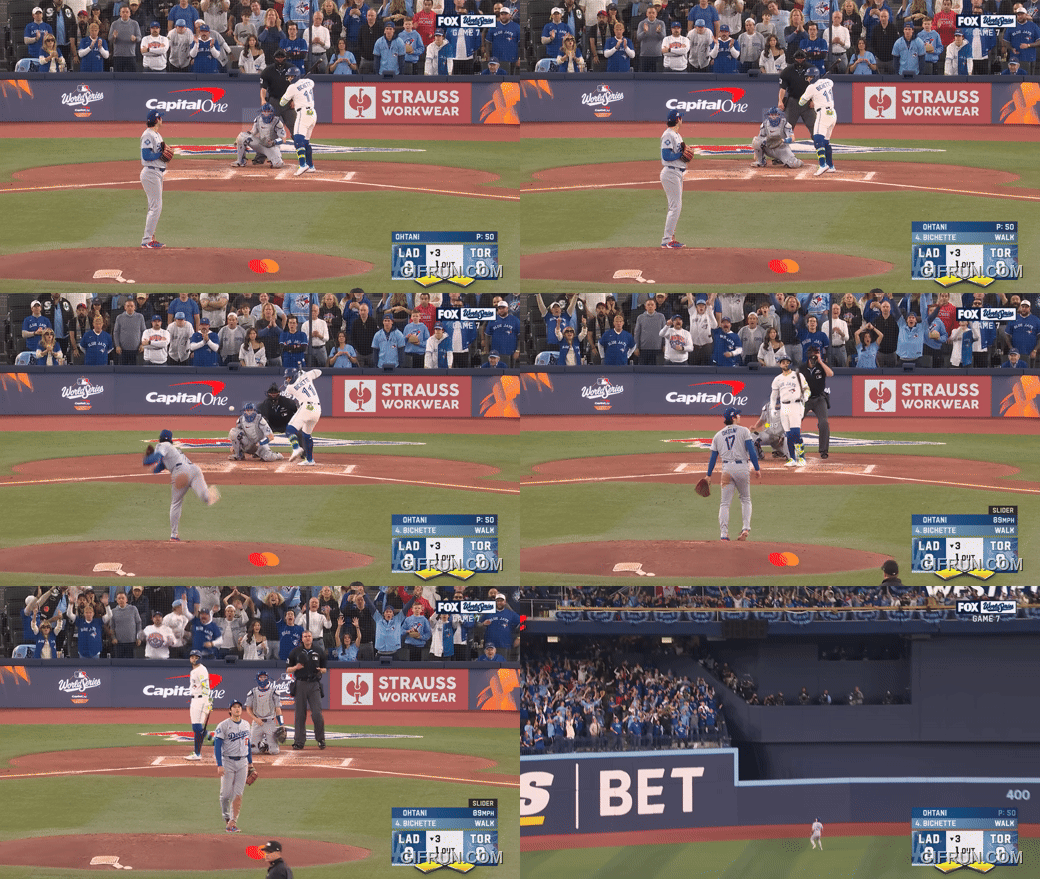
When people talk about elite hitters in baseball, Bo Bichette is one of the guys at the top of the conversation—and for good reason. Coming off a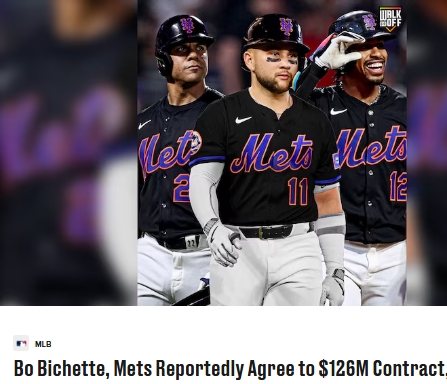 World Series run where he crushed a massive three-run home run on the biggest stage, Bo just signed a huge three-year contract with the New York Mets. That moment wasn’t luck. It was the result of years of intentional physical development, elite movement quality, and relentless work to develop bat speed and game power.
Working with Bo Bichette since high school, OTA has seen firsthand how his dedication to physical preparation, movement efficiency, and power development translated into elite bat speed, barrel control, and game-changing power at the highest level of baseball.
This article will break down how Bo Bichette has trained, why his bat speed is truly elite, and how athletes can apply the same principles to develop real game power, not just weight-room strength. You can also see our previous article on Bo’s offseason training!
Elite Bat Speed Is the Foundation of Bo Bichette’s Game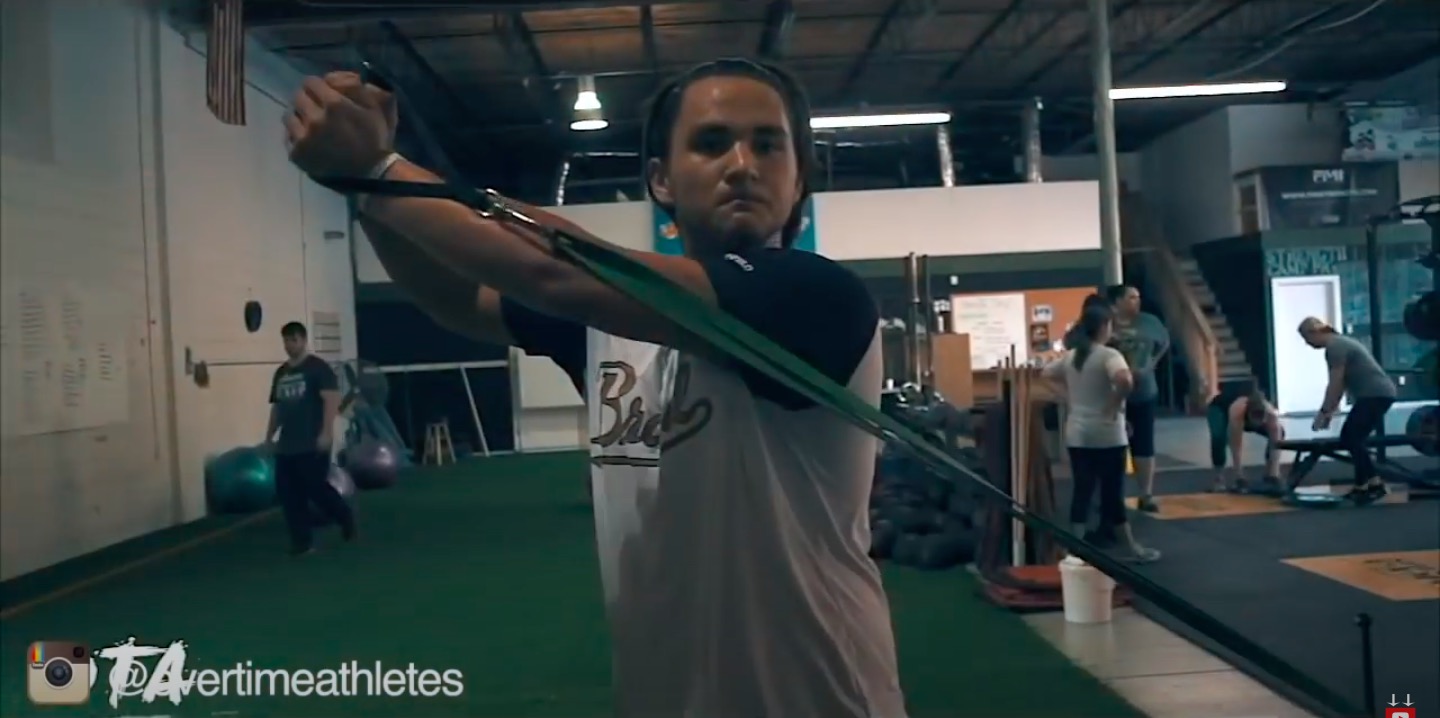

Before we talk about home runs, exit velocity, or strength numbers, we need to talk about bat speed.
Bat speed is king.
Bo Bichette doesn’t just swing hard—he swings fast, controlled, and repeatable. His ability to accelerate the bat through the zone while maintaining barrel control is what allows his power to show up consistently in games.
From our perspective, bat speed is not built by swinging heavier bats endlessly or chasing max lifts without purpose. It’s built by developing:
- Elite movement quality
- Full-body sequencing
- Lower-body force production
- Trunk strength and rotational power
Bo’s physical training was designed to support those qualities from the ground up.
Mobility First: Why Bo Bichette Moves So Smoothly
One of the most overlooked parts of Bo Bichette’s training is his mobility.
Watch Bo hit, and you’ll notice how smooth and effortless his swing looks. That’s not accidental. Bo has exceptional mobility through his hips, thoracic spine, and shoulders—allowing him to access powerful positions without stiffness or compensation.
We believe mobility isn’t stretching for the sake of stretching. It’s about owning usable ranges of motion and producing force through them.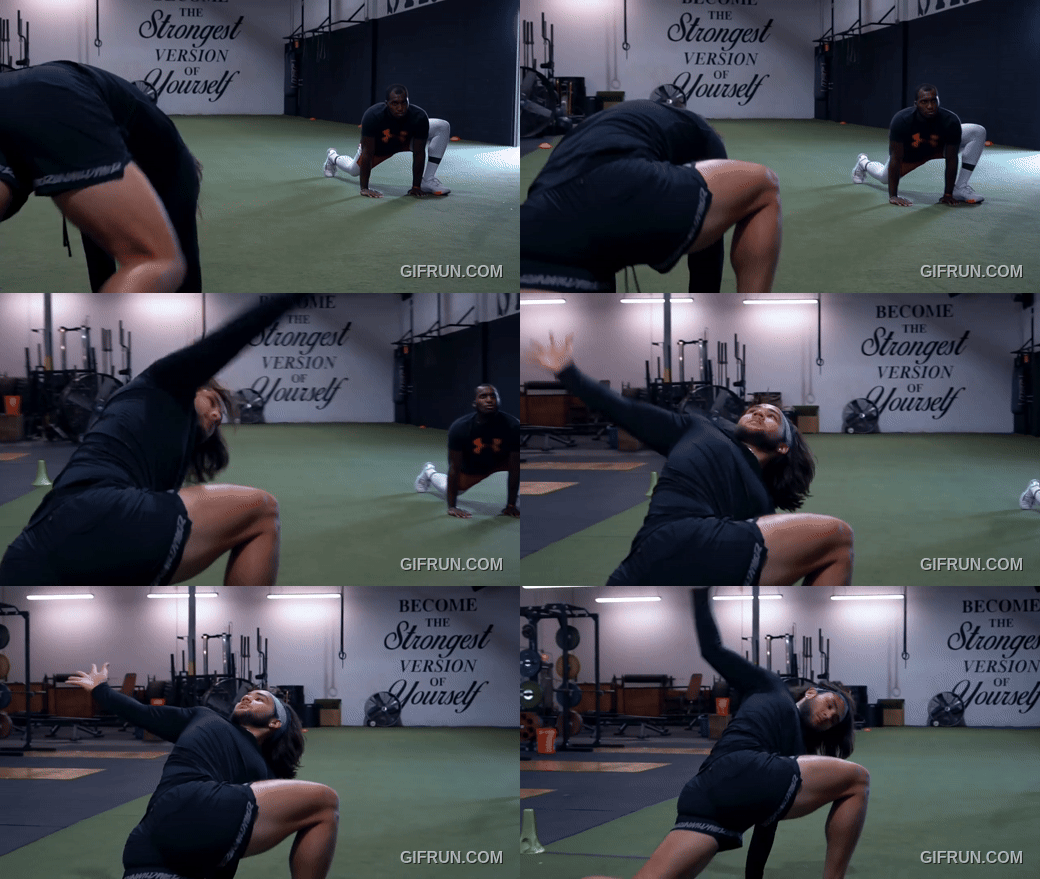
Bo’s mobility work focuses on:
- Hip internal and external rotation
- Thoracic spine rotation and extension
- Shoulder stability with freedom to rotate
Why does this matter for hitting?
Because power is produced through full ranges of motion. If you can’t rotate, load, and separate efficiently, you’ll leak energy before the bat ever gets to the ball.
Bo’s elite mobility allows him to:
- Stay connected through his swing
- Delay rotation longer
- Transfer force efficiently from the ground up
That’s why his swing looks so fluid—and why his power shows up in games.
Med Ball Training: Turning Range of Motion Into Power
Mobility without strength is useless. Strength without mobility is limiting.
This is where medicine ball training plays a massive role in Bo Bichette’s development.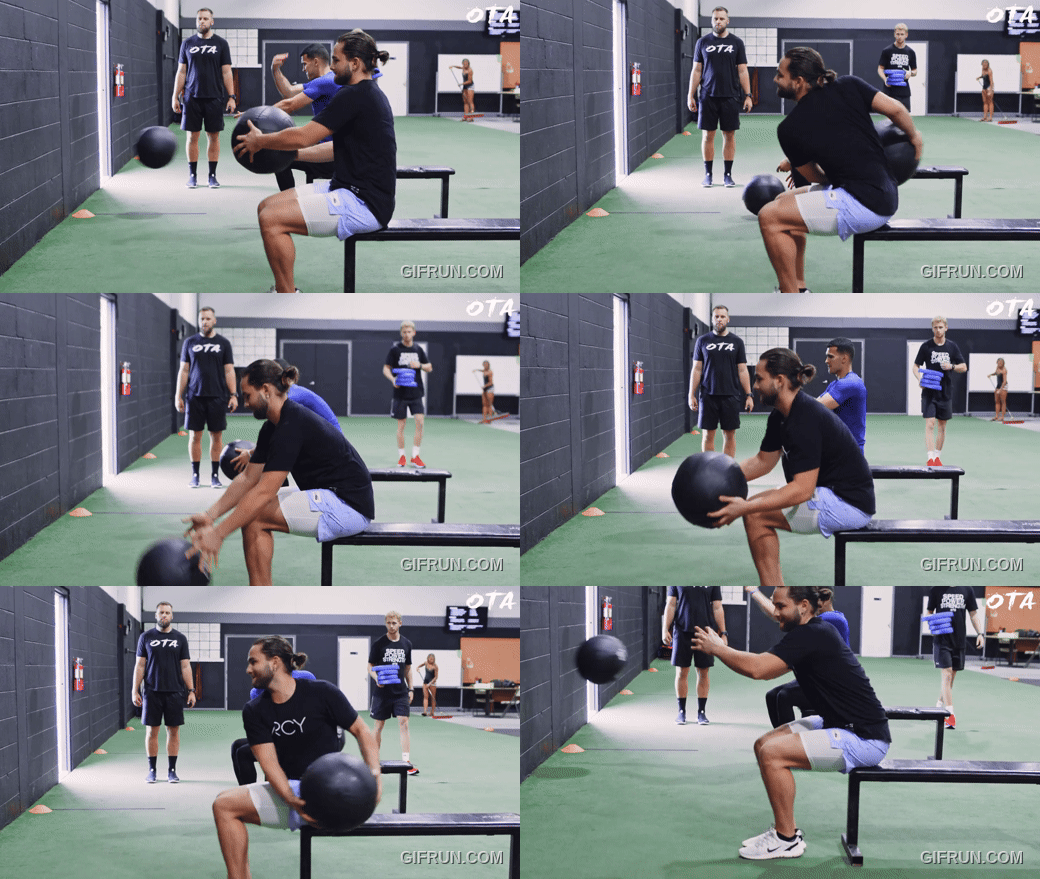
Med balls allow athletes to train rotational power, sequencing, and intent at high speeds without excessive joint stress. For Bo, med ball work is about producing force through the same ranges of motion he uses in his swing.
Key focuses of his med ball training include:
- Rotational throws
- Rotational slams
- Kneeling and seated throws
- Dynamic throws and slams
When we coach med ball work, we have one goal: high intent and transfer.
Bo isn’t just throwing a ball—he’s learning how to:
- Load the hips
- Brace through the trunk
- Rotate violently while staying balanced
That’s the bridge between the weight room and the batter’s box.
Plyometrics: Speed and Lower-Body Power Matter
Elite hitters don’t just rotate fast—they produce force into the ground.
Bo Bichette’s lower body power is a major contributor to his bat speed and game power. That’s why plyometrics are a staple in his training.
Plyometric training develops:
- Explosiveness
- Rate of force development
- Elastic strength
Bo’s plyometric work focuses on quality, not volume. Movements like:
- Jump variations
- Lateral bounds
- Split-stance power work
These drills teach his body to apply force quickly and efficiently—exactly what happens during a high-level swing.
You need to train speed and power year-round, not just off-season, and that’s a big reason Bo’s bat speed continues to stay at an elite level.
Max Strength: Building a Powerful, Durable Body
Speed and power sit on top of strength.
Bo Bichette is physically strong—especially through his lower body—and that strength gives him a massive base to express power without breaking down over a long season.
His strength training focuses on:
- Squats and hinge patterns
- Single-leg strength
- Posterior chain development
- Total-body strength balance
This isn’t bodybuilding. This is athletic strength.
A stronger lower body allows Bo to:
- Stay stable under high rotational forces
- Maintain posture through his swing
- Reproduce power late in games and late in the season
Strength also plays a huge role for hitters who take thousands of swings every year to still maintain power and speed throughout the season.
Trunk Strength and Rotational Power
If the lower body is the engine, the trunk is the transmission.
Bo Bichette’s ability to control and express rotational power comes from elite trunk strength. Not just abs—but the entire core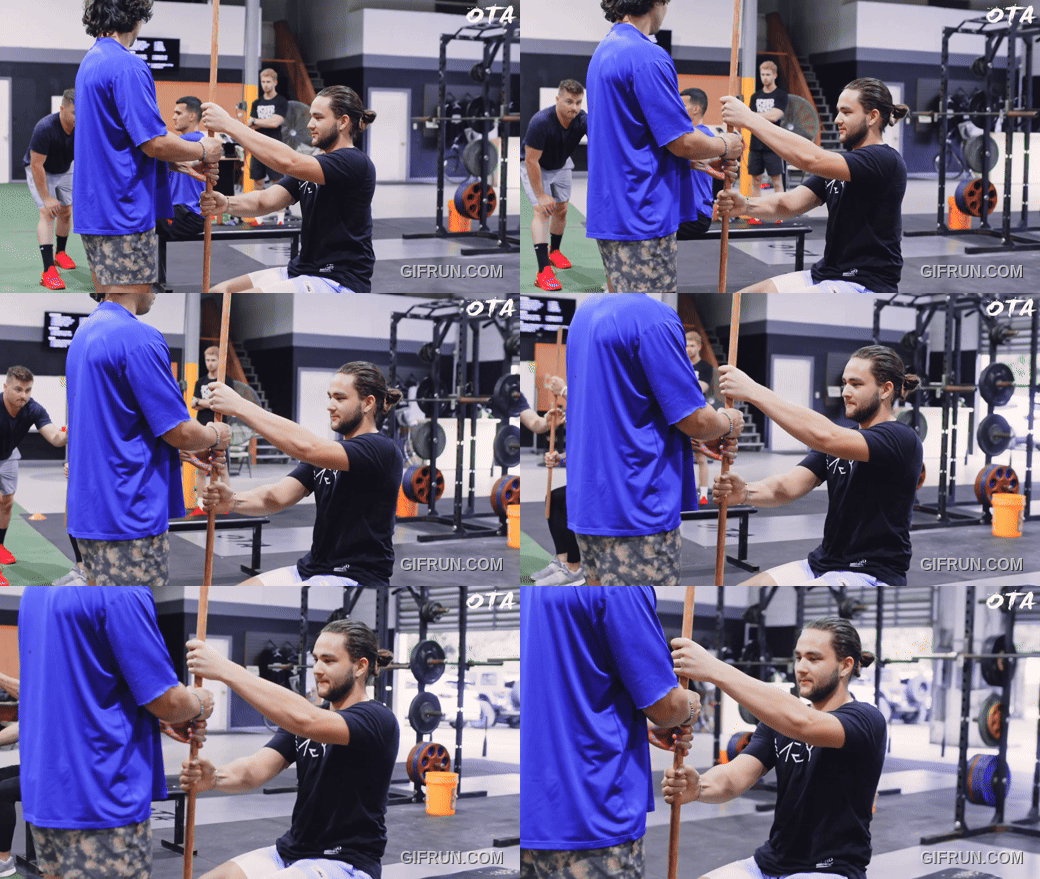 system working together.
Good trunk training is about:
- Anti-rotation strength
- Controlled rotation
- Explosive rotational output
Bo trains his trunk to both resist and rotate, which allows him to:
- Stay connected
- Transfer force efficiently
- Maintain bat control at high speeds
This is a huge reason he can swing aggressively without losing balance or precision.
The Real Takeaway: Bo Bichette’s Dedication Sets Him Apart
Here’s the truth most young players don’t want to hear:
Bo Bichette’s success didn’t come from shortcuts.
It came from years of consistent, intentional physical development. From high school to the big leagues, Bo committed to becoming a better athlete—not just a better hitter.
He trained his:
- Mobility
- Speed
- Power
- Strength
- Trunk control
And he did it year after year.
If young players want to hit like Bo Bichette, they need that same level of commitment to their physical development.
Train Like an Elite Hitter with Overtime Athletes
We’ve trained elite baseball players at every level, including Bo Bichette himself. Our Baseball Performance Program is built to develop the exact qualities discussed here—bat speed, power, mobility, strength, and durability.
If you’re serious about developing real game power and becoming a complete hitter, don’t guess your training.
👉 Click the image below to check out our Baseball Performance Program and start training like an elite.
Because bat speed is built—and power is earned.