General Physical Preparedness: How and When to Program GPP for Athletes
At Overtime Athletes, we don’t look at training as random workouts stacked together. Every phase has a purpose, and general physical preparedness (GPP) is where that purpose begins. GPP is not the “easy” part of training, and it’s not optional. It’s the phase that determines how well an athlete can handle everything that comes next.
When programmed correctly, general physical preparedness sets the foundation for strength, speed, power, and durability. When it’s skipped or rushed, athletes break down, stall, or plateau. This article breaks down how and when we program GPP for athletes, why it matters so much, and how we use it to prepare athletes for the demands of higher-intensity offseason training.
Previously, we shared an article on what GPP is and some of the key focuses are. In this article we’ll cover exactly how GPP sessions should be structured. You can read the previous article by clicking here!
Why General Physical Preparedness Matters for Athletes
General physical preparedness is about preparing the body to train hard, not just perform. Athletes don’t get injured because training is intense — they get injured because their bodies weren’t prepared to handle intensity.
At its core, GPP is about:
- Building a base of general strength
- Increasing muscular endurance and work capacity
- Improving movement quality
- Preparing the joints, tendons, and nervous system
- Raising overall conditioning levels
Depending on the athlete, GPP can last anywhere from a few weeks to a couple of months. A younger or undertrained athlete often needs more time in this phase. A more advanced athlete may move through it quicker. The key is not the calendar — it’s the athlete’s physical readiness.
When We Program GPP in the Training Year
At Overtime Athletes, every offseason starts with general physical preparedness. No exceptions.
This is the early offseason or the start of a training program, before we move into heavier strength work, advanced plyometrics, or max-speed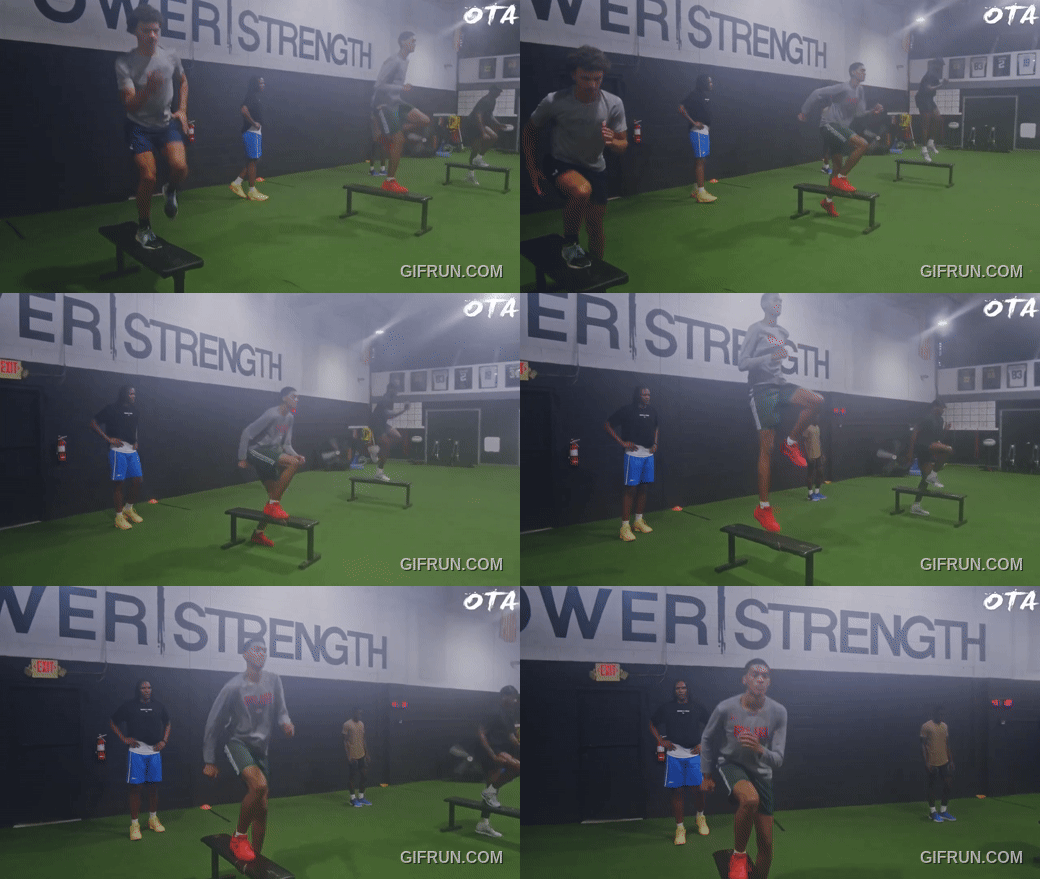 sprinting. Think of GPP as the bridge between where the athlete is now and where they need to be later in the offseason.
The goal during this phase is not peak performance. The goal is preparation.
GPP prepares athletes to:
- Tolerate higher training volumes
- Recover faster between sessions
- Handle heavier loads later
- Move better under fatigue
- Stay healthy as intensity rises
Just like the offseason prepares athletes for the season, GPP prepares athletes for the offseason.
How We Structure GPP Training
When programming general physical preparedness, balance matters. We want athletes training hard, but we also want them leaving sessions feeling better, not beat down.

Balanced Weekly Structure
Throughout the week, we make sure athletes are exposed to:
- Mobility, static and dynamic
- Strength training
- Plyometrics and jumping
- Linear and lateral speed
- Change of direction
- Conditioning
Nothing is maxed out. Everything is intentional.
Strength Training During GPP
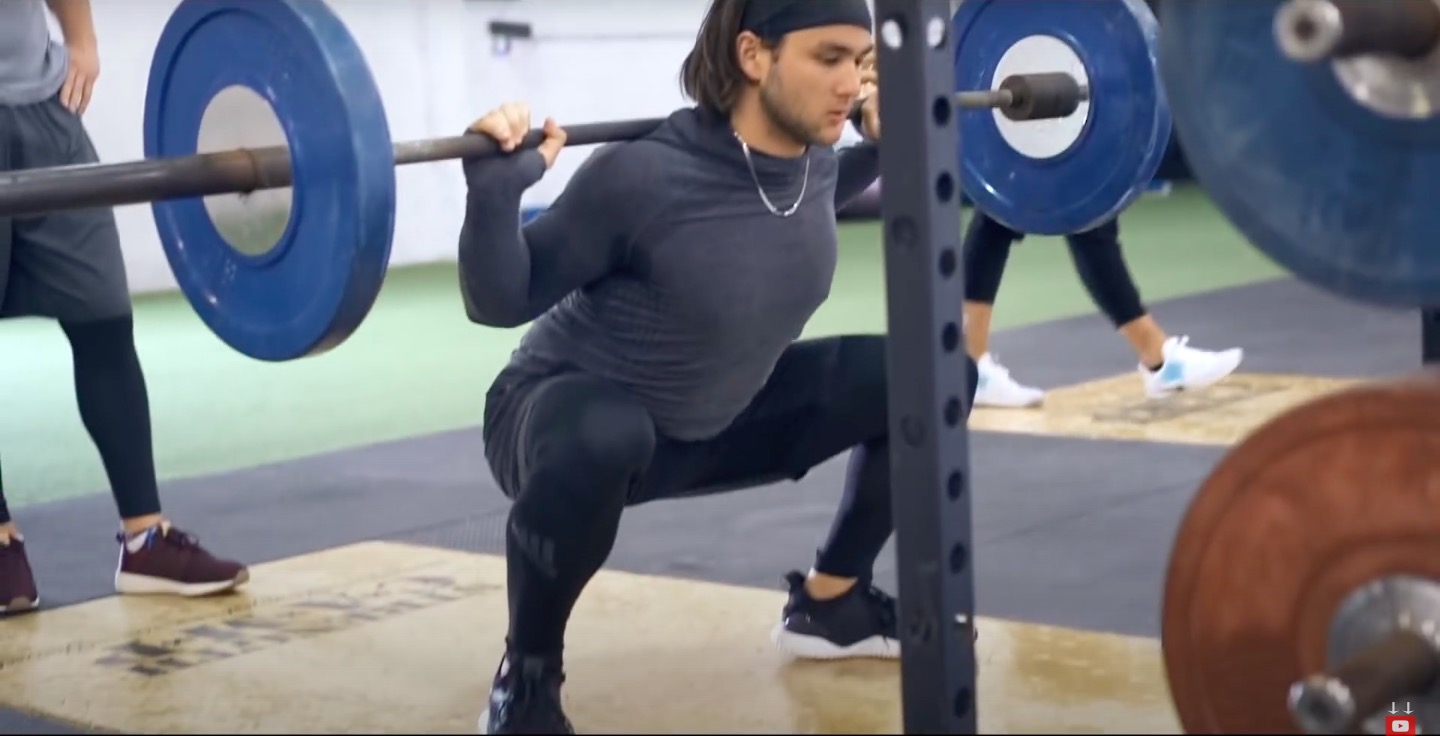
During the GPP phase, our strength focus is on general strength and muscle development, not maximal loading.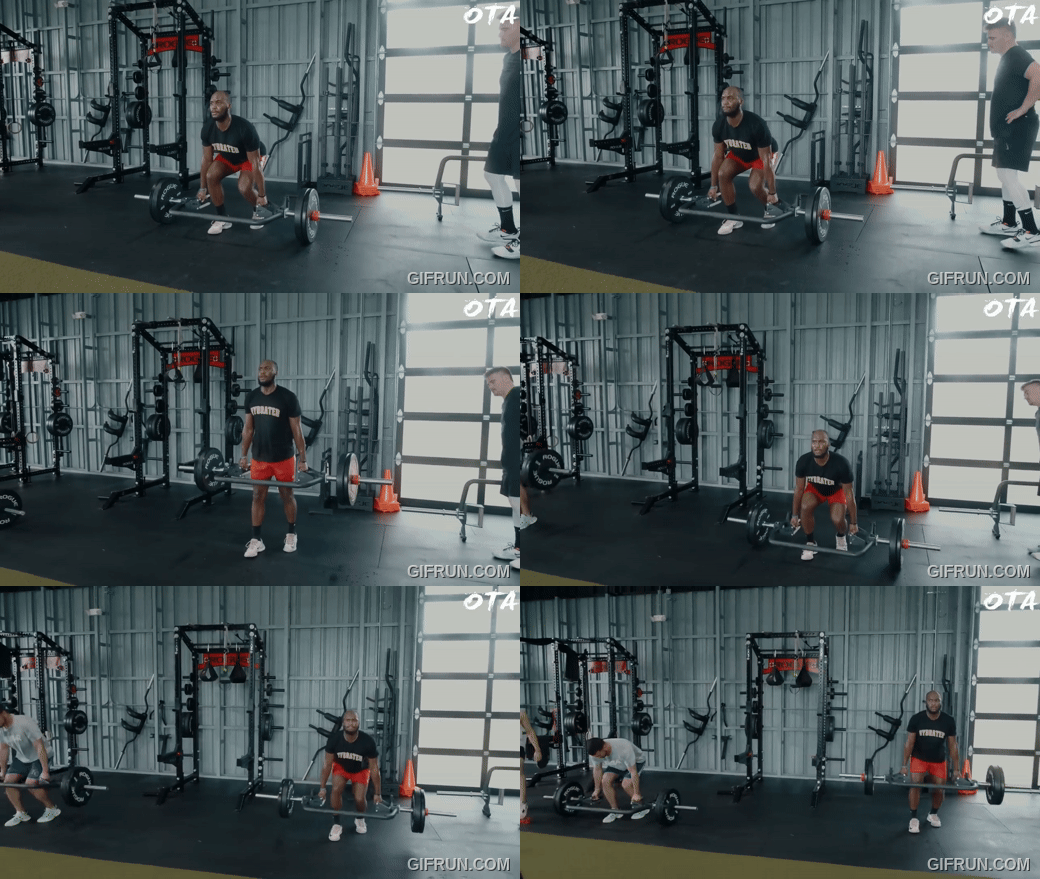
We use:
- Lighter to moderate intensities
- Higher total volume
- Gradual volume accumulation week to week
The purpose is to build muscle, reinforce movement patterns, and prepare connective tissue for heavier loads later.
Movement Selection
We prioritize:
- Multi-joint movements
- Total body exercises
- Full range of motion
Examples include:
- Squats and split squats
- Hinges and RDL variations
- Pushes and pulls
- Carries and core work
This phase is about improving movement quality, not chasing numbers. Athletes learn to move well under volume, which pays off when intensity increases later.
Plyometrics and Speed During GPP
GPP does not mean we eliminate speed or jumping. It means we stay basic and build tolerance.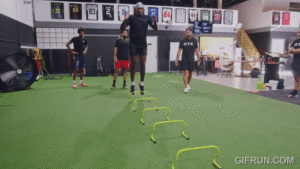
Plyometrics
We stick with:
- Low-level jumps
- Basic plyometric patterns
- Controlled landings
- Gradual volume increases
The goal is to prepare the joints and tendons while allowing the nervous system to adapt as volume increases. We want athletes jumping frequently enough to build tolerance, but not so intense that they can’t recover.
Speed and Change of Direction
Speed work during GPP focuses on:
- Linear acceleration
- Basic lateral movement
- Simple change of direction patterns
Effort is high, but volumes are controlled. Over time, as athletes adapt, we gradually increase exposure. This helps prepare the nervous system for higher-speed and more complex work later in the offseason.
Conditioning and Work Capacity Development
One of the most important goals of general physical preparedness is increasing work capacity.
Athletes need to be conditioned enough to: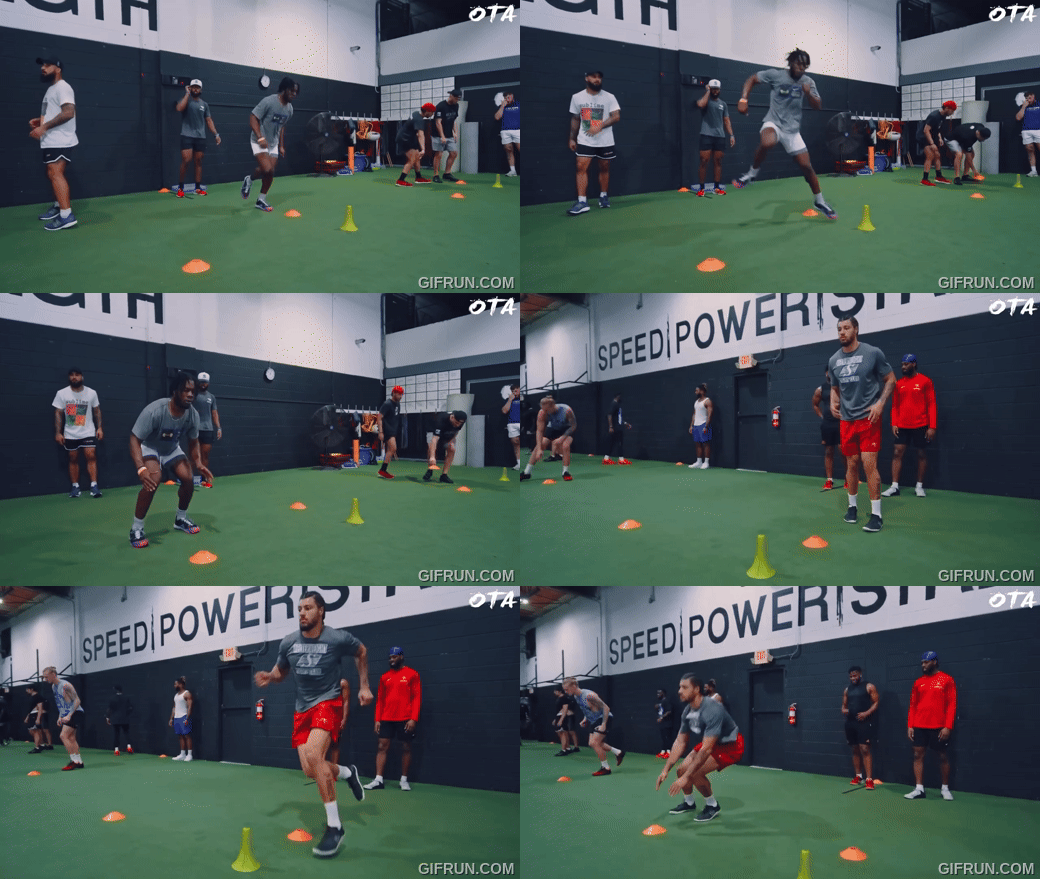
- Handle dense training sessions
- Recover between sets
- Maintain movement quality under fatigue
- Train consistently without breaking down
How We Build Conditioning
During GPP, we often use:
- Circuits
- Short rest periods
- Tempo-controlled movements
- Total-body conditioning formats
These circuits raise heart rate, speed up the pace of training, and challenge athletes mentally and physically. The goal is not just conditioning for conditioning’s sake — it’s preparing athletes to tolerate the workload of future training phases.
Volume Accumulation Is the Key
One of the biggest mistakes coaches make is trying to rush athletes out of GPP. At Overtime Athletes, we intentionally accumulate volume over time.
Week to week, we gradually increase:
- Total reps
- Sets
- Jump contacts
- Sprint exposures
- Conditioning density
As volume increases, the nervous system adapts, tissues strengthen, and athletes become more resilient. This is what allows us to push intensity later without setbacks.
Adjusting GPP Based on the Athlete
Not all athletes need the same GPP phase.
- Younger or less trained athletes usually need longer GPP phases
- More advanced athletes may only need a few weeks
- Athletes returning from injury often benefit from extended GPP
The goal is always the same: prepare the athlete for what’s next based on where they are right now.
Conclusion: The Purpose of GPP
General physical preparedness is not flashy, but it’s essential.
Our goal during GPP is simple:
- Introduce and reinforce basic movement patterns
- Push the pace to improve conditioning
- Accumulate volume to increase work capacity
- Prepare the body for higher intensity training
Pretty much all our programs and custom training will start with a general prep phase. As a coach, it also helps to establish exactly where the athlete is at physically and training wise. It allows us to plan ahead for the athletes because during this phase we’ll see where their weaknesses are.
GPP is not about peaking — it’s about preparation. Just like the offseason prepares athletes for the season, general physical preparedness prepares athletes for the offseason. When done right, it sets the tone for everything that follows and keeps athletes strong, durable, and progressing all year long.